
































A STADIUM FOR THE CITY
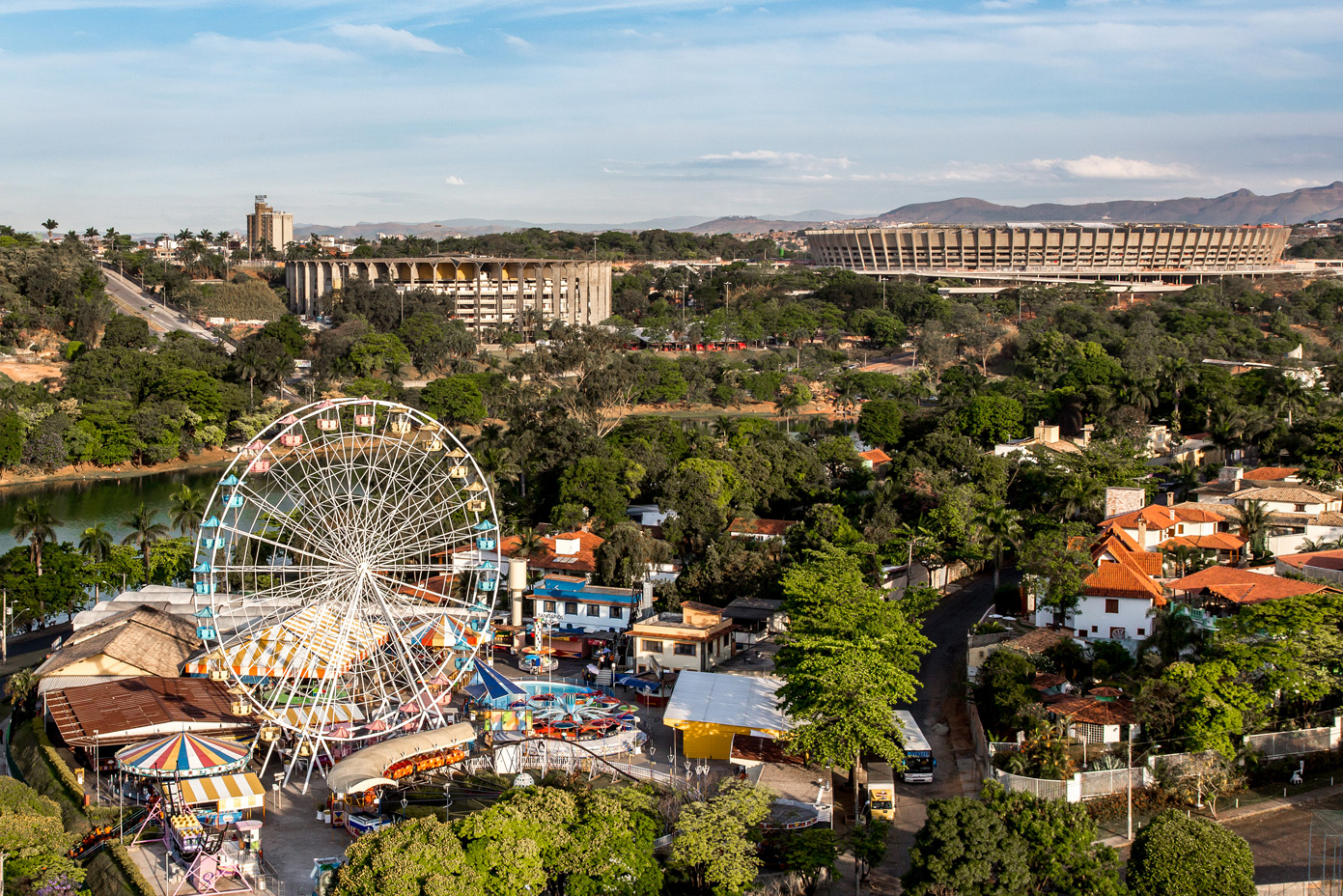
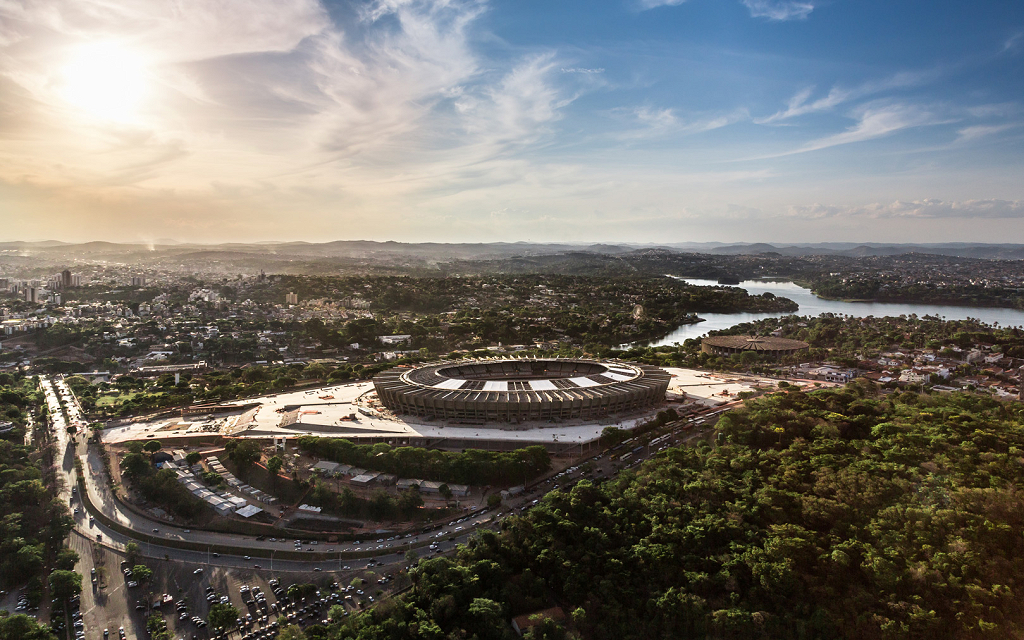
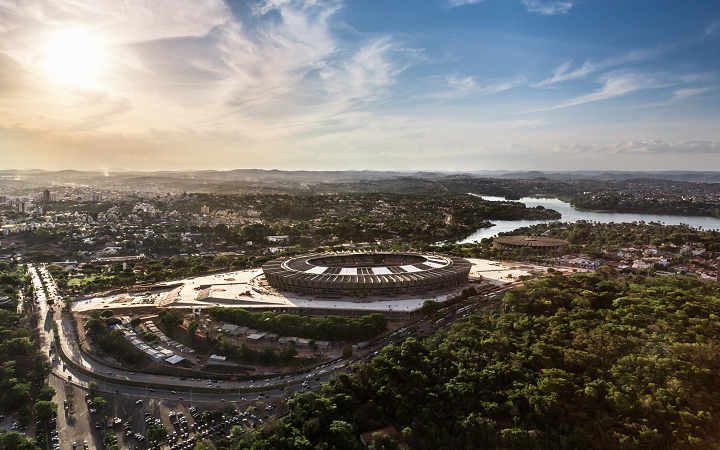
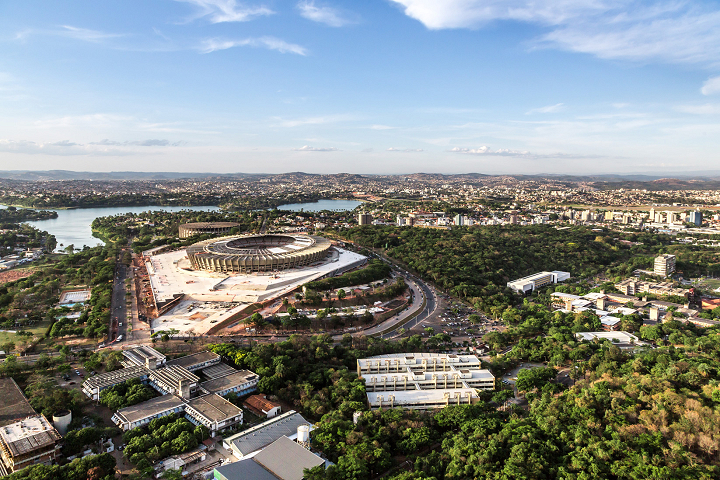
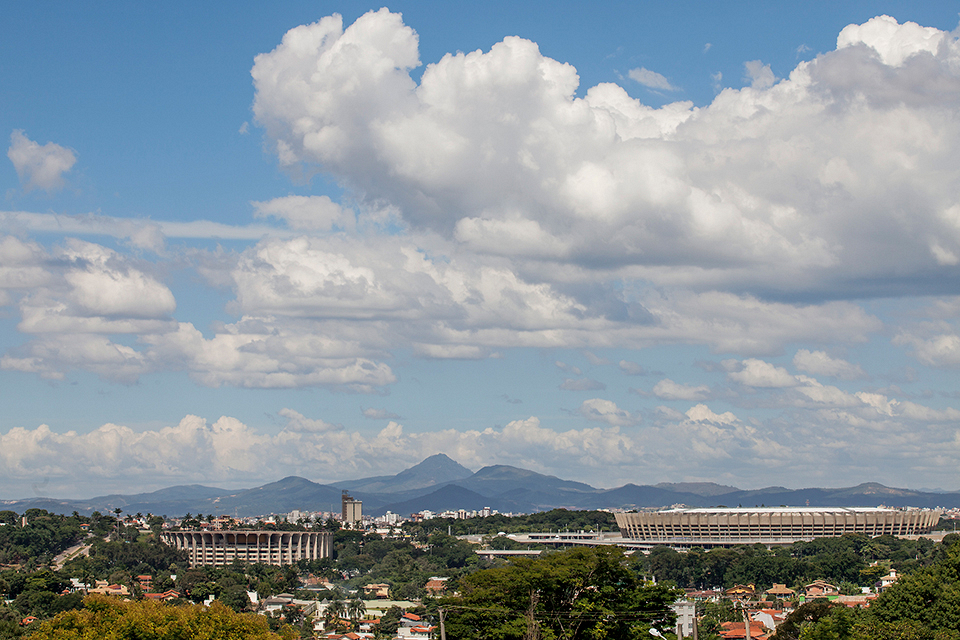
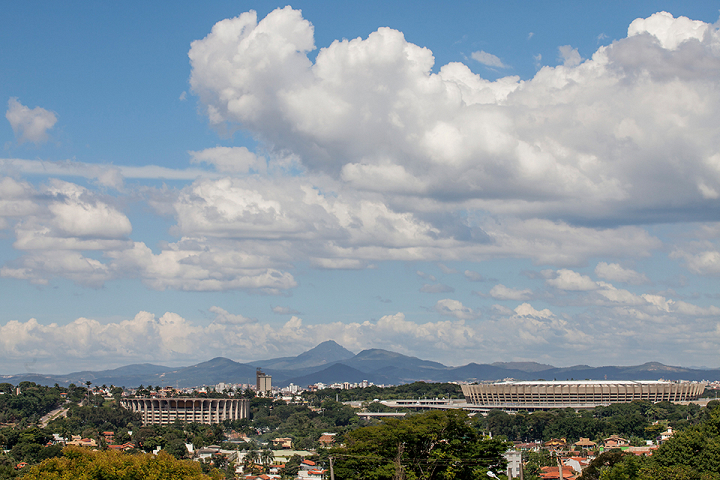
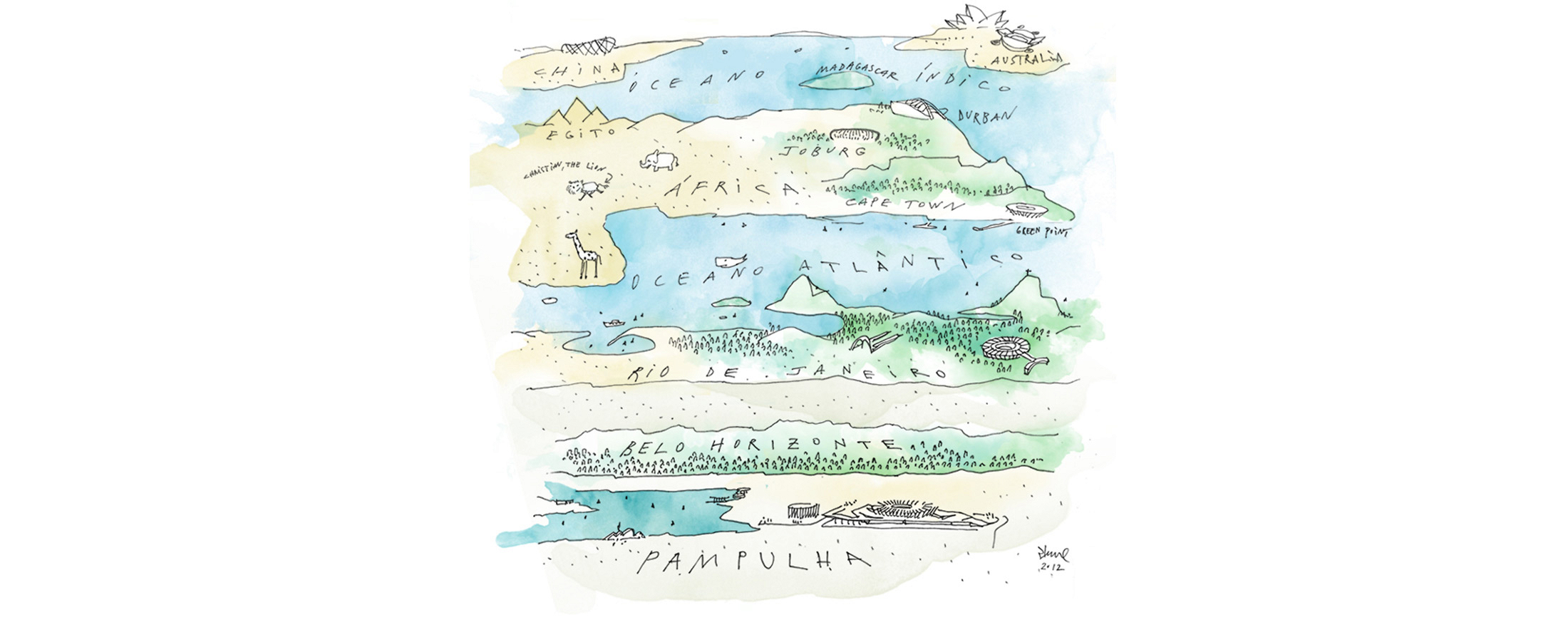
Belo Horizonte. A modernist building in a modernist landscape.
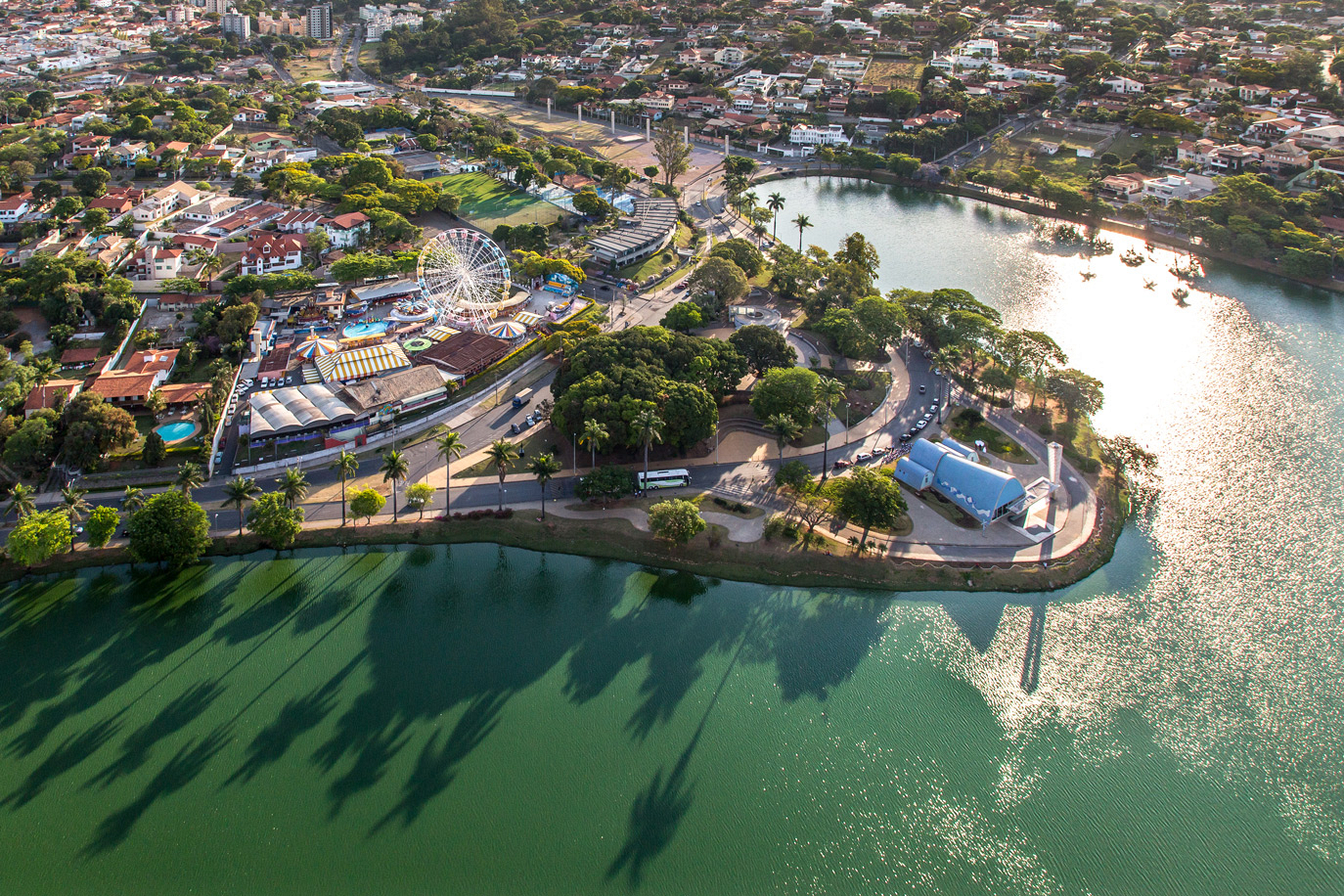
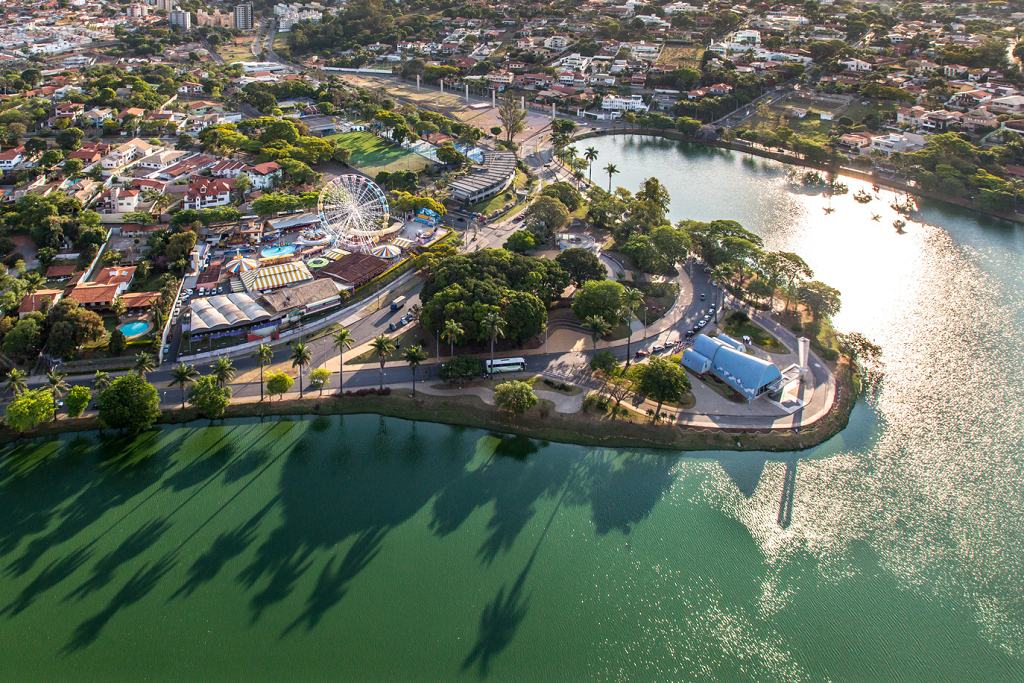
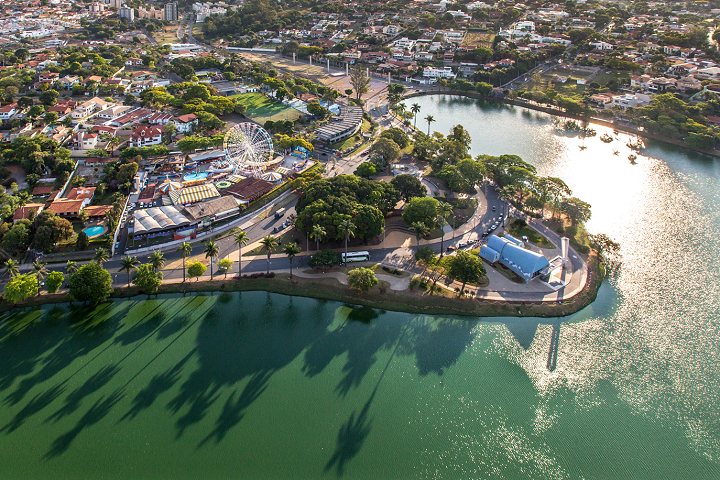
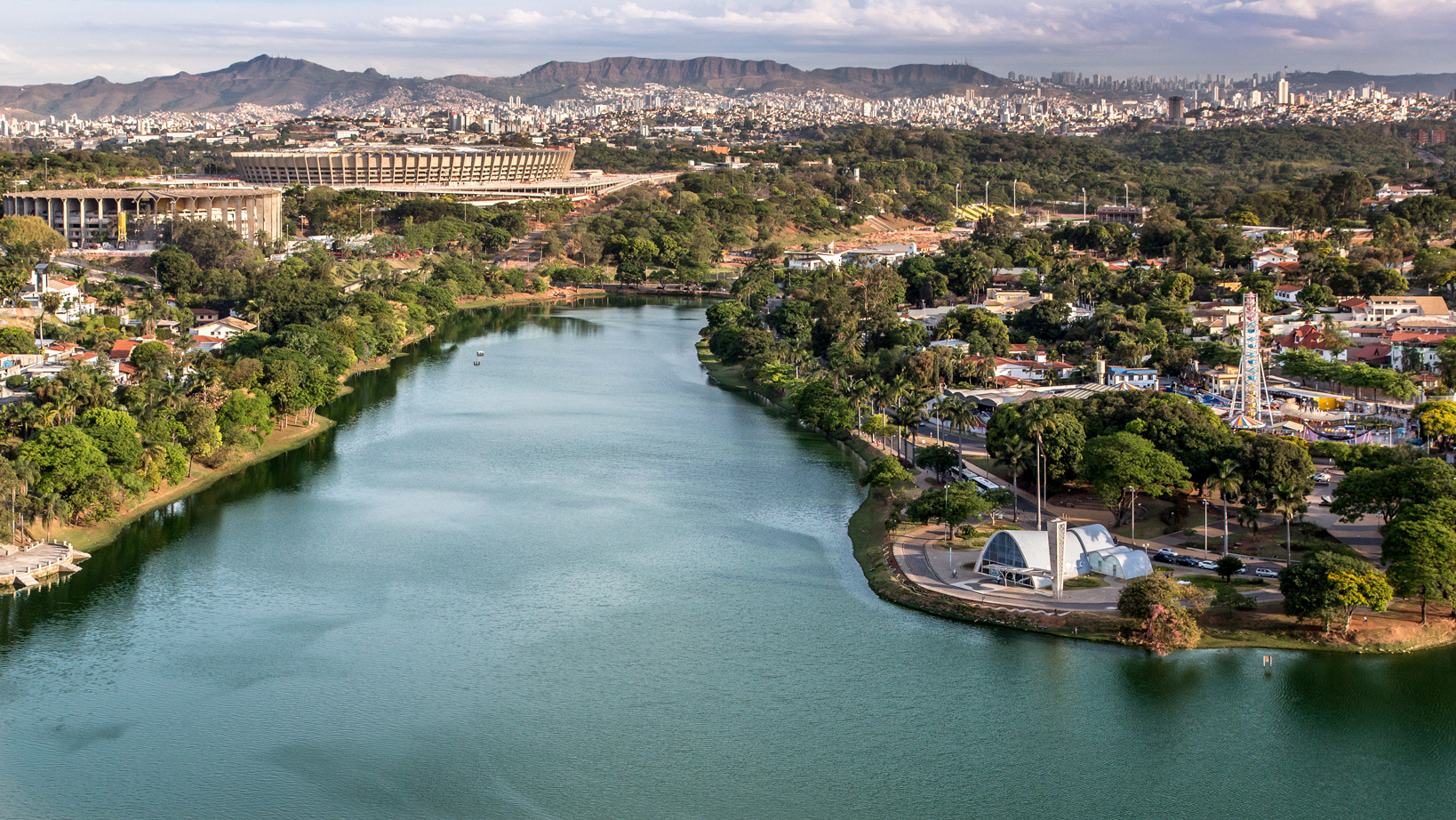
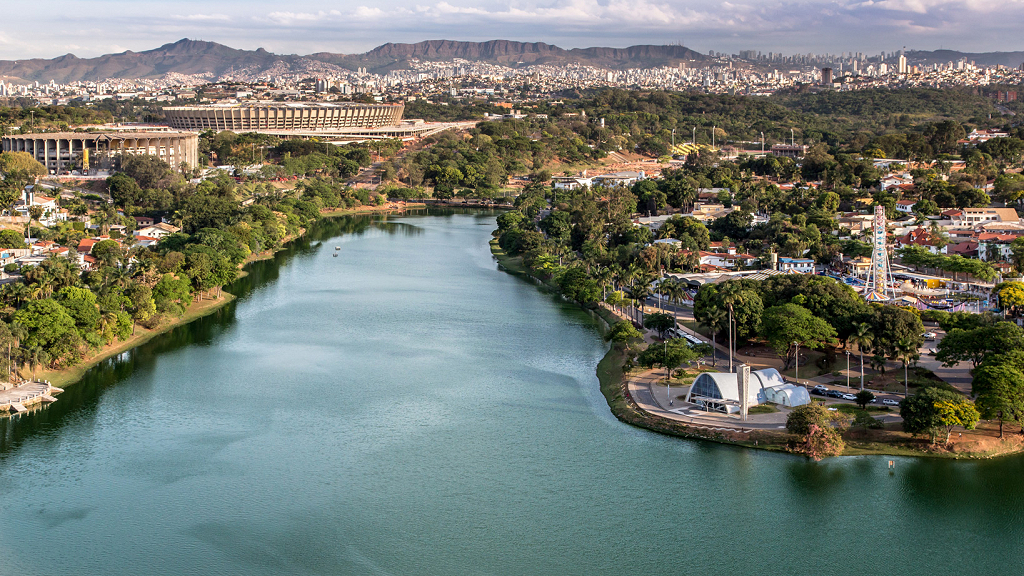
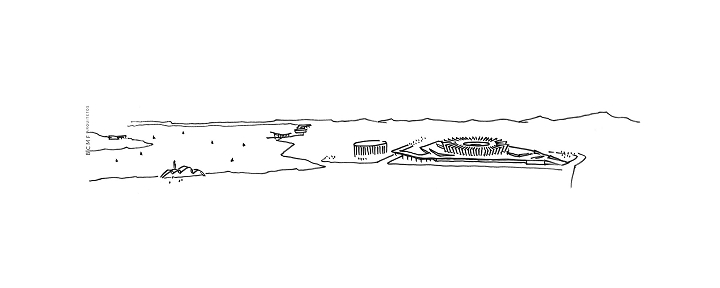
The Mineirão Stadium and the Pampulha neighborhood were conceived in the 1940s, at the beginning of the developmentalist surge that would shape Brazil’s economic policy in the decades to follow. It is no coincidence that the mastermind behind the Pampulha Leisure and Tourism Complex was Juscelino Kubitschek, then mayor of Belo Horizonte, who invited Oscar Niemeyer, Roberto Burle Marx, and Cândido Portinari, among others, to imprint the distinctly modern character of his vision. It was a successful rehearsal for his Brasília of the 1950s and 1960s.
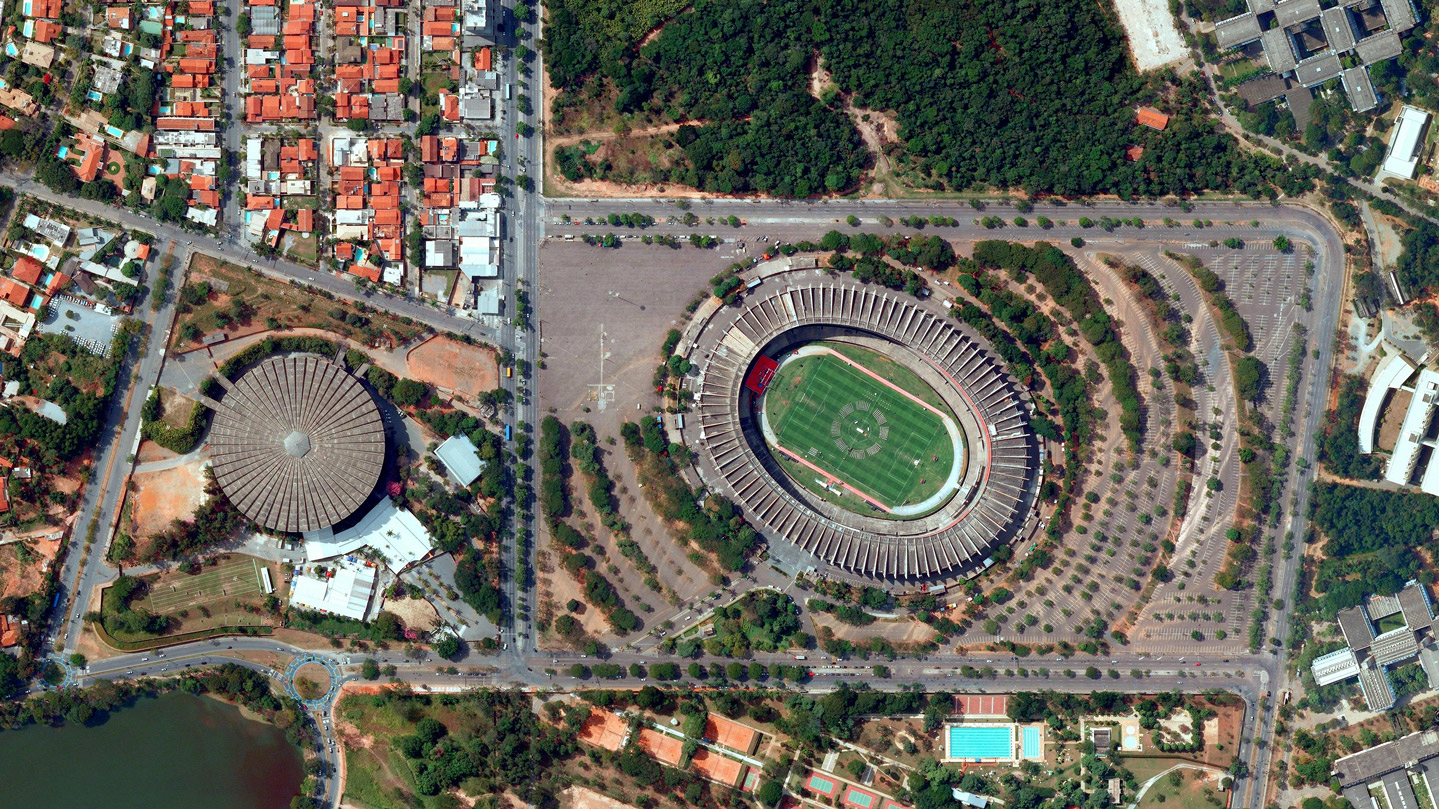
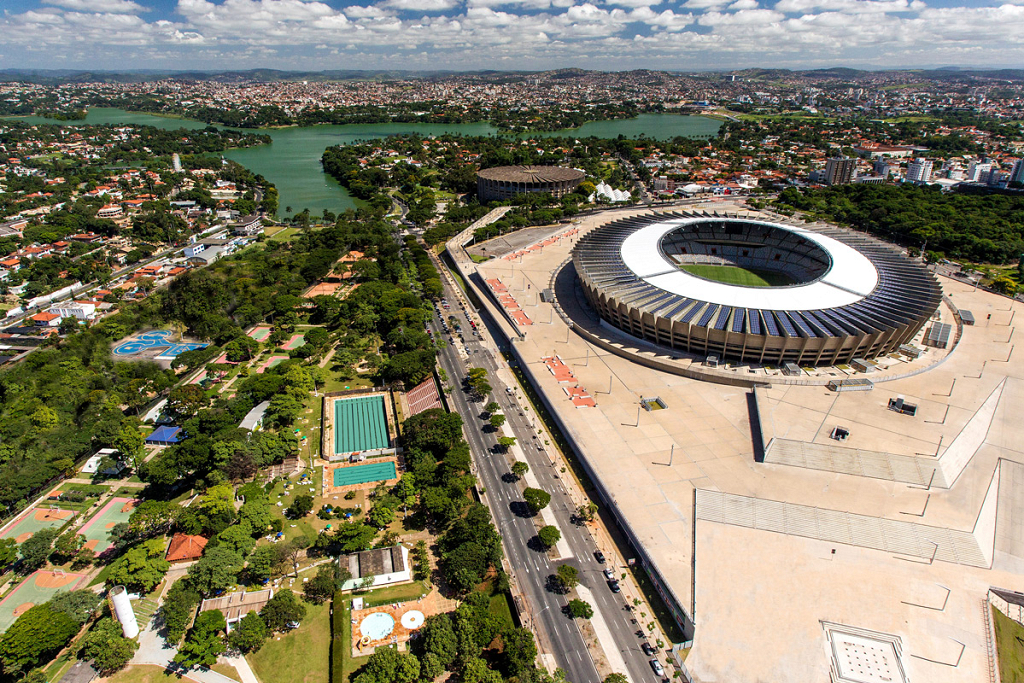
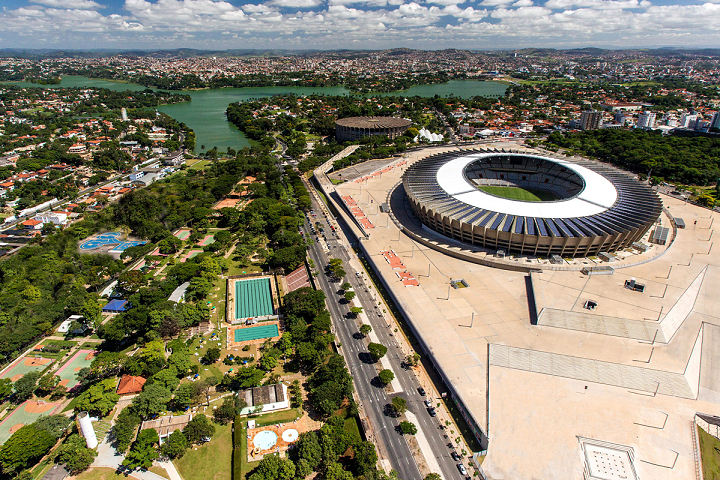
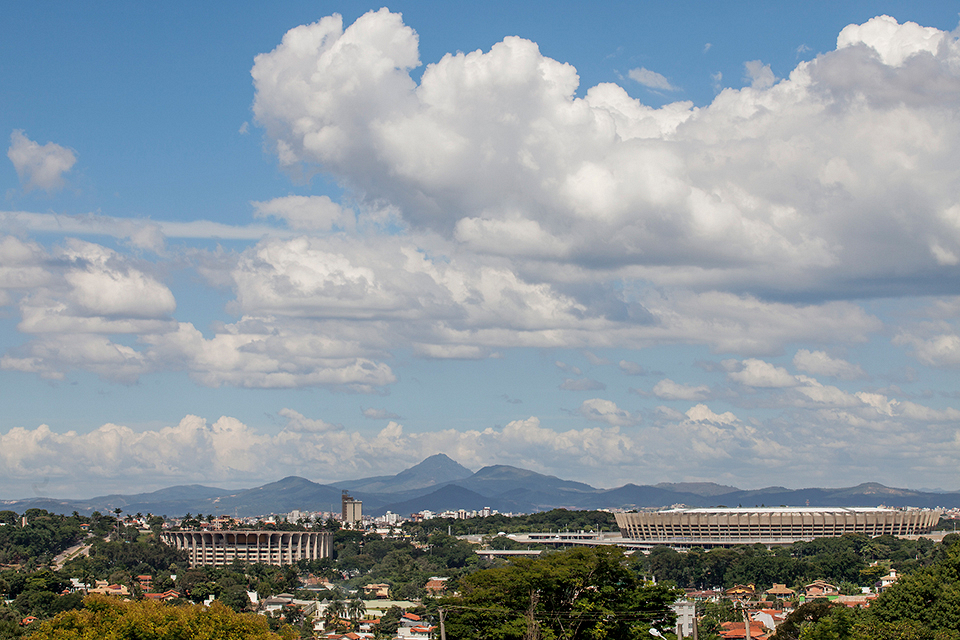
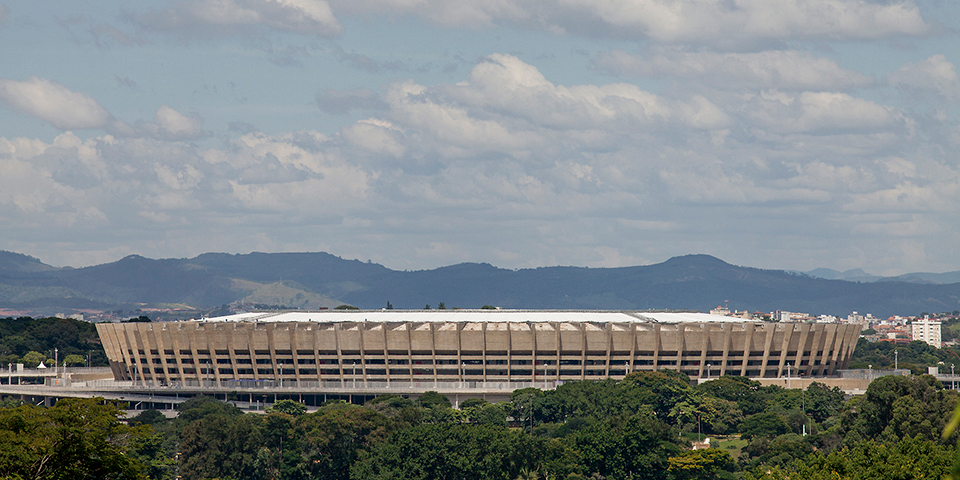
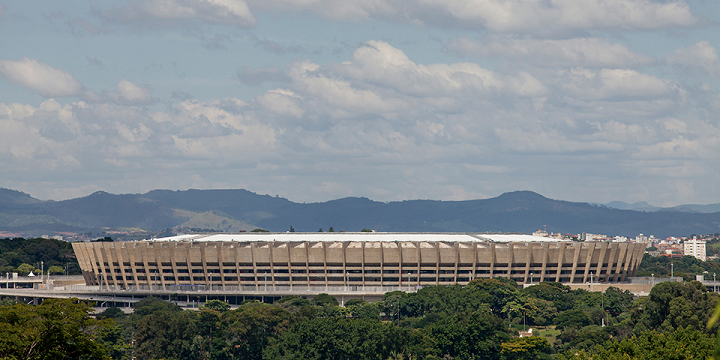
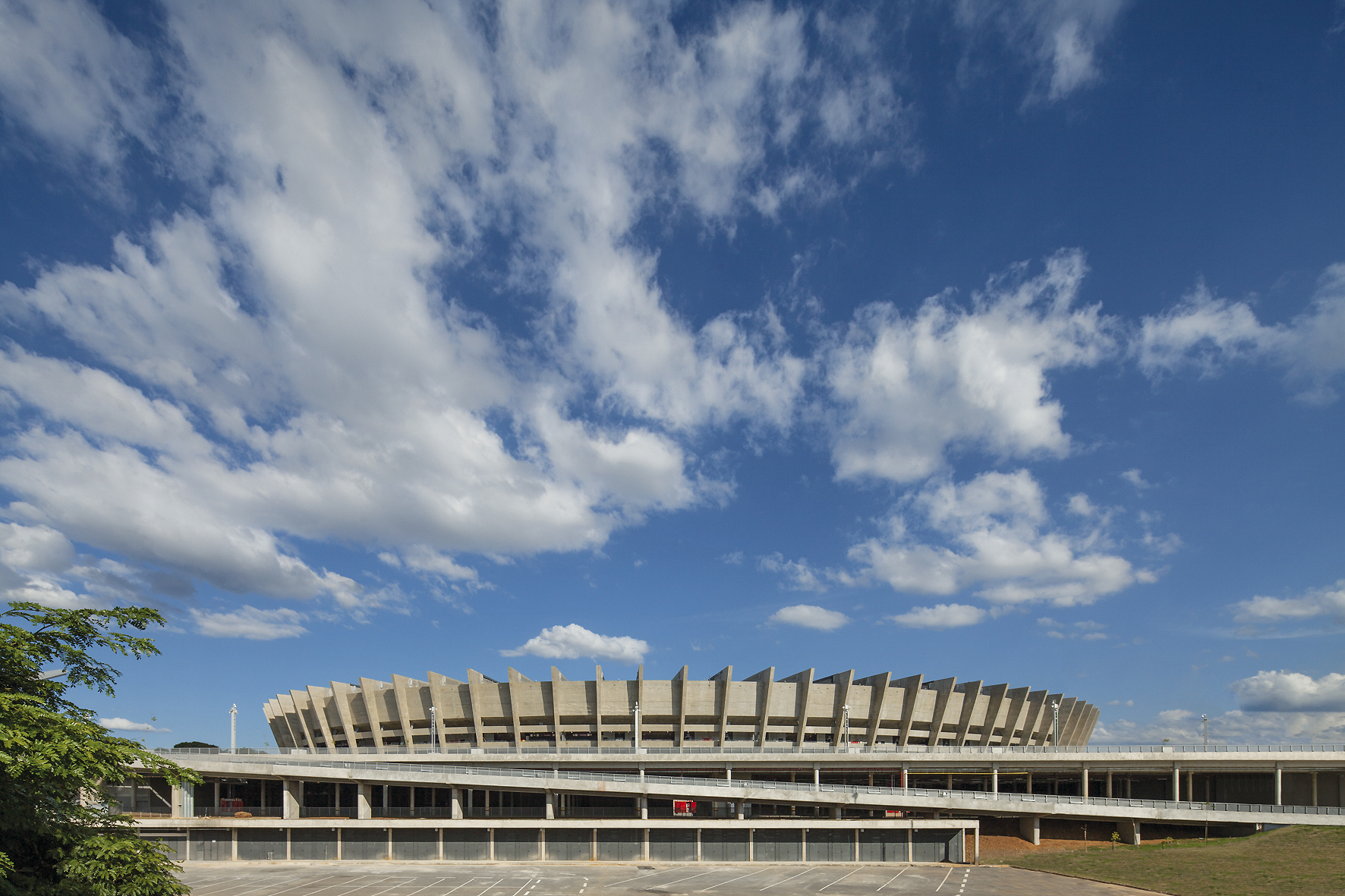
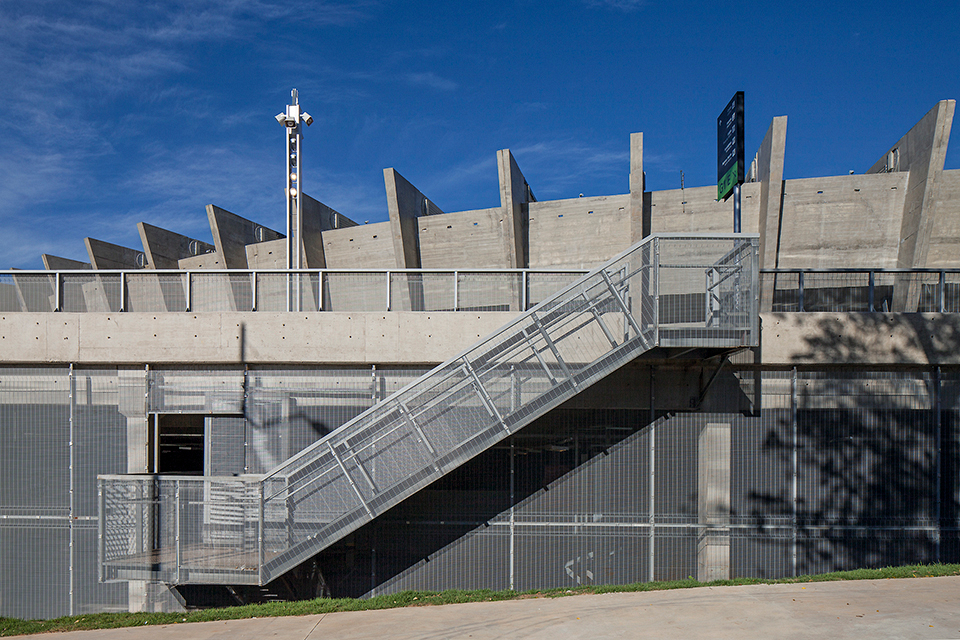
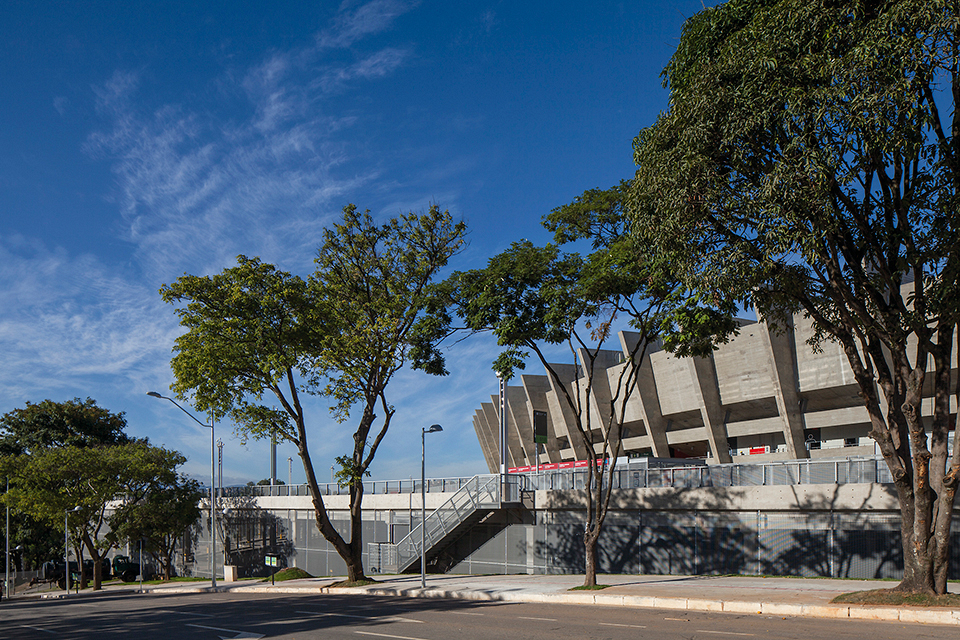
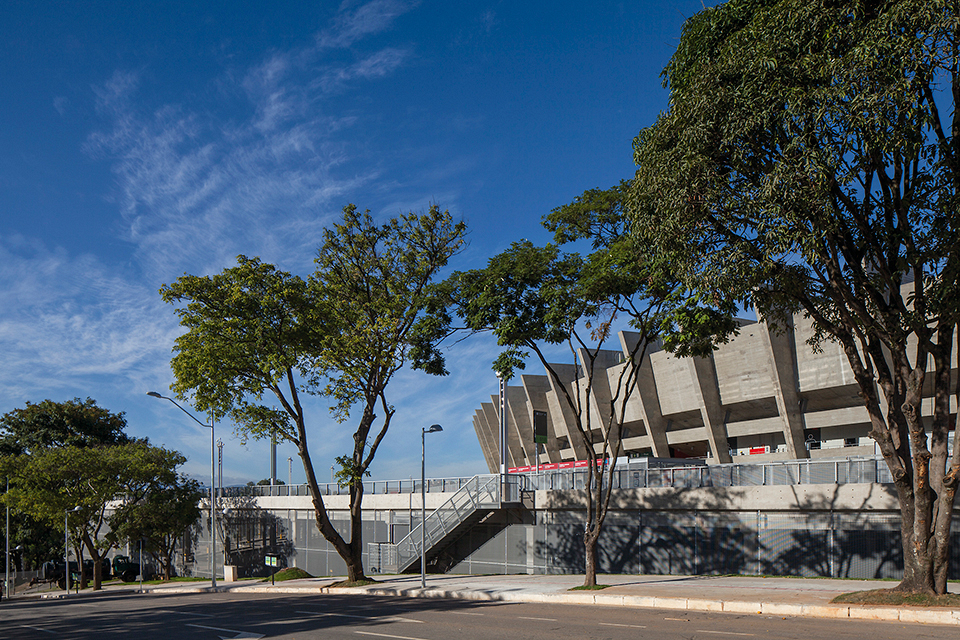
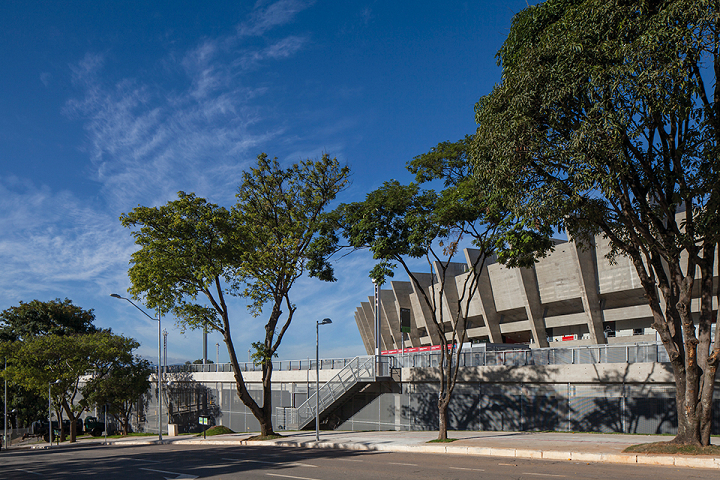
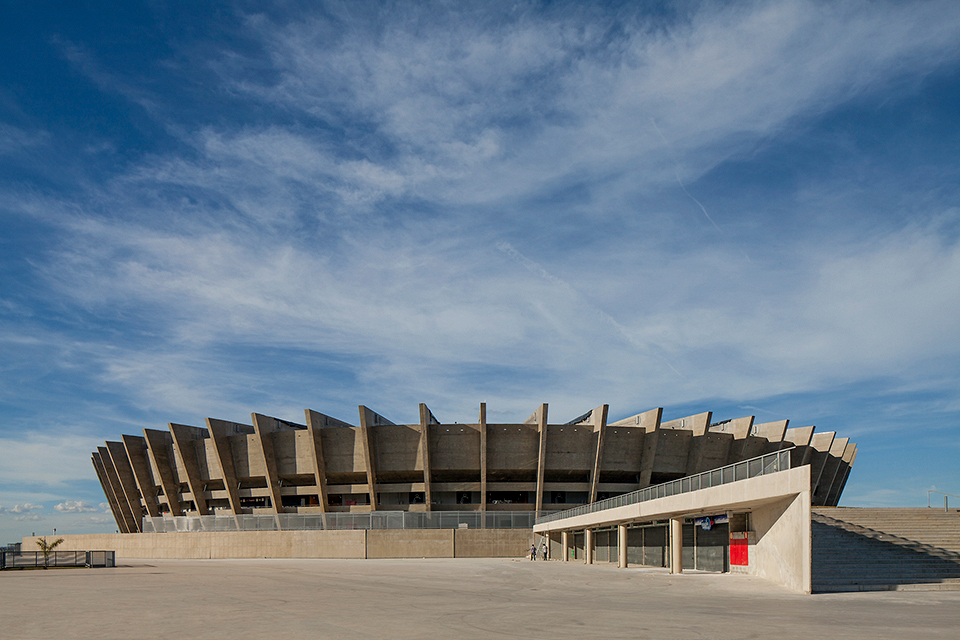
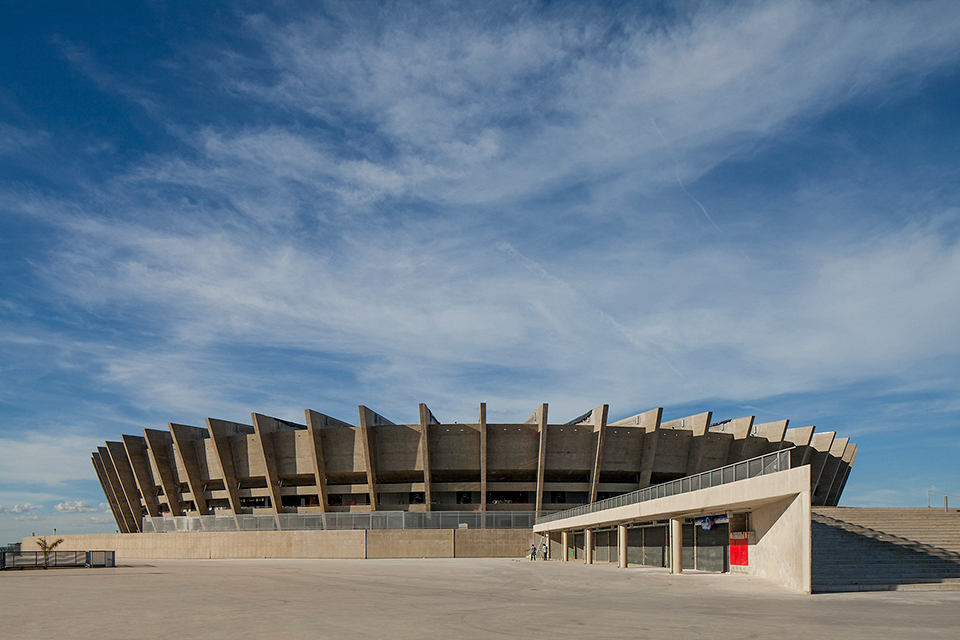
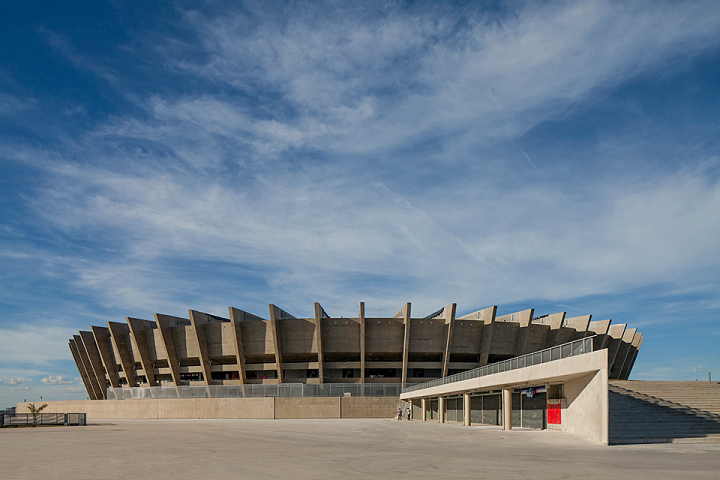
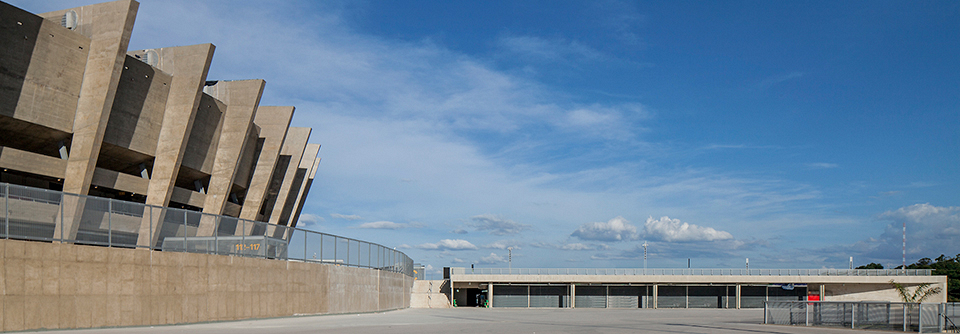
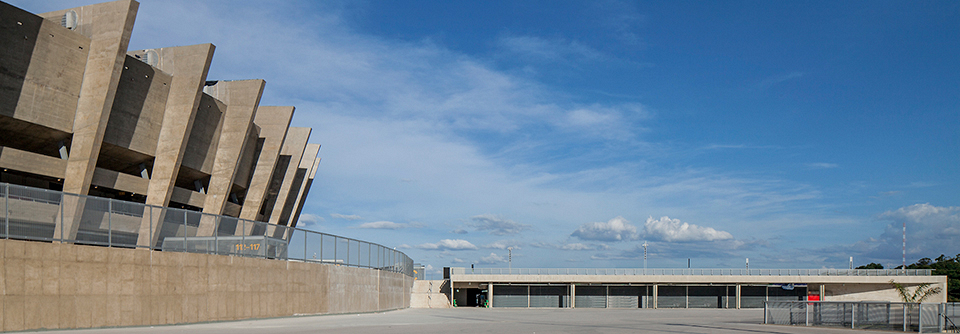
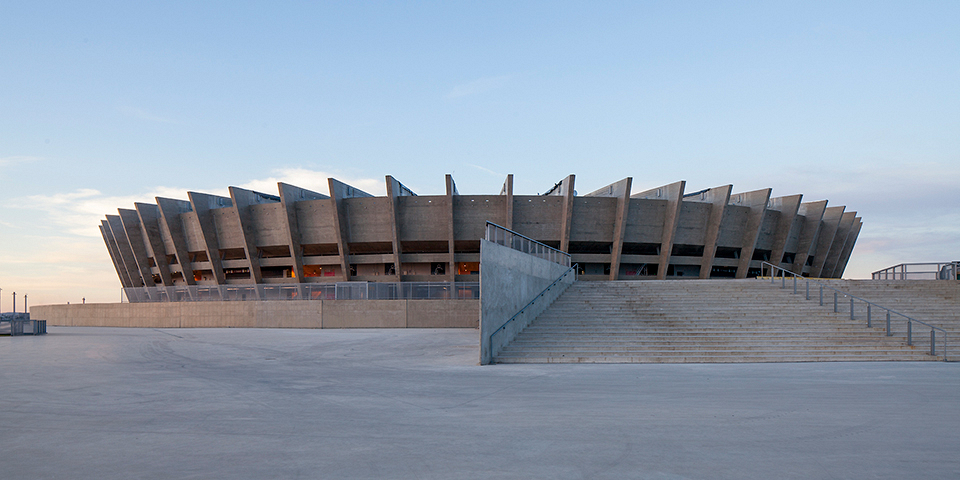
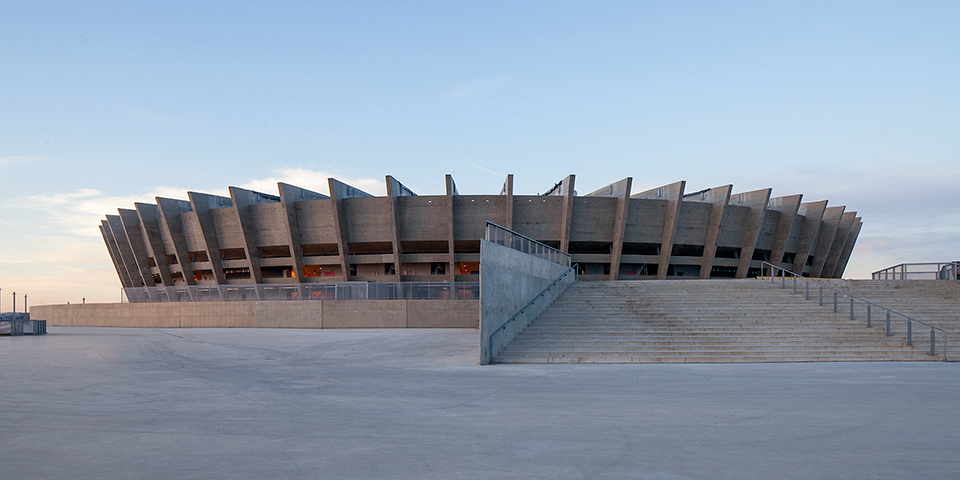
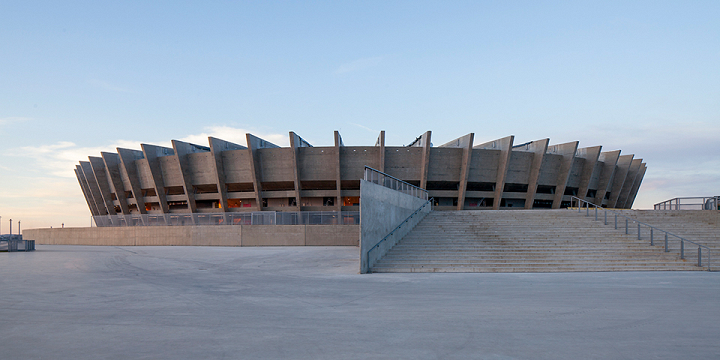
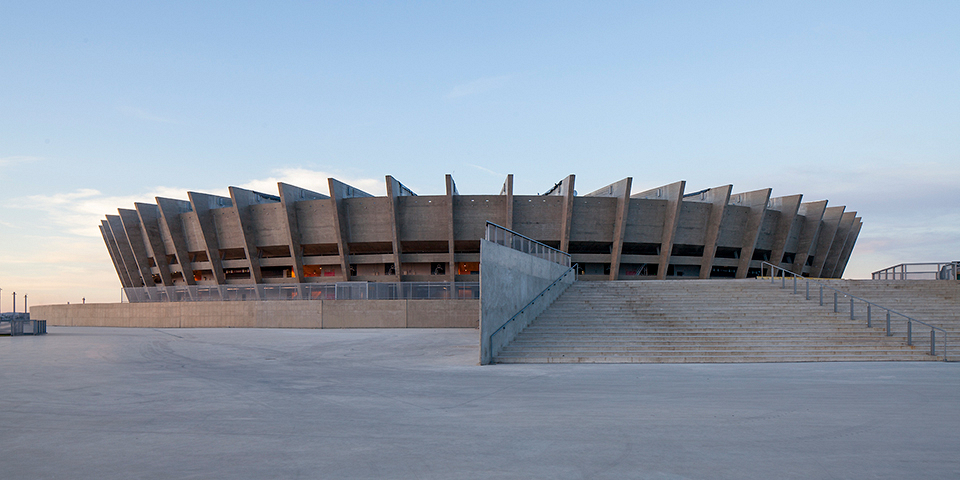
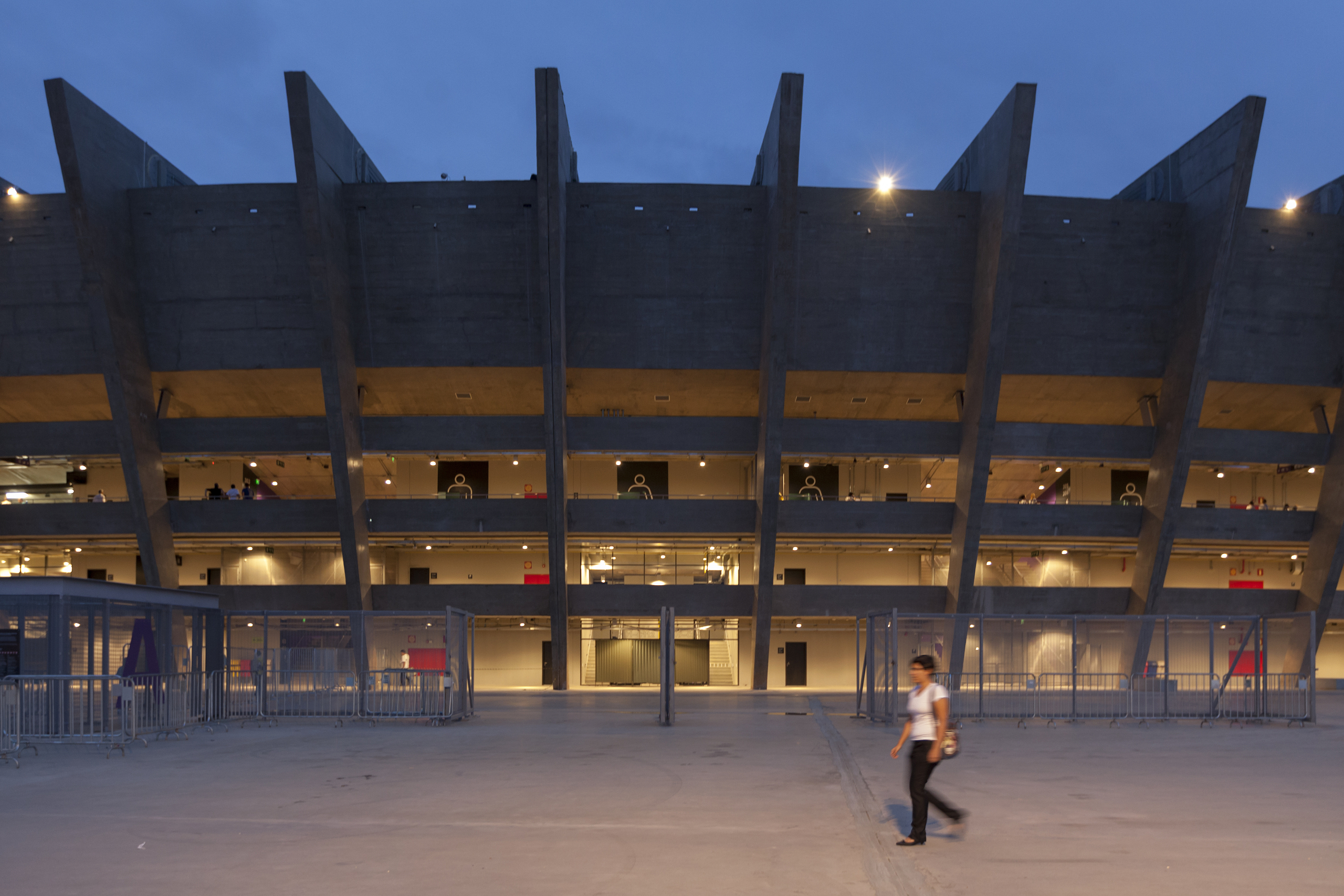
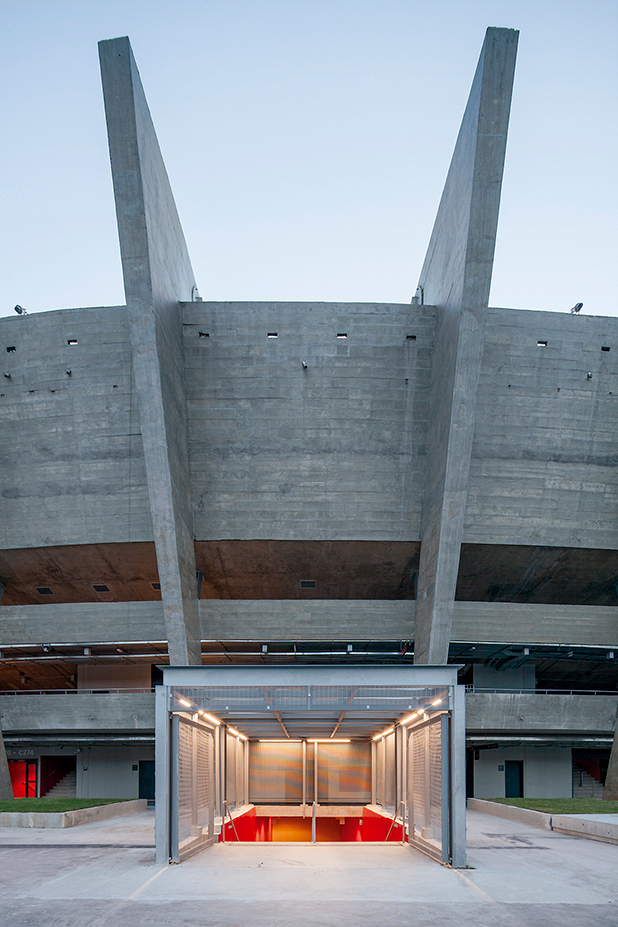
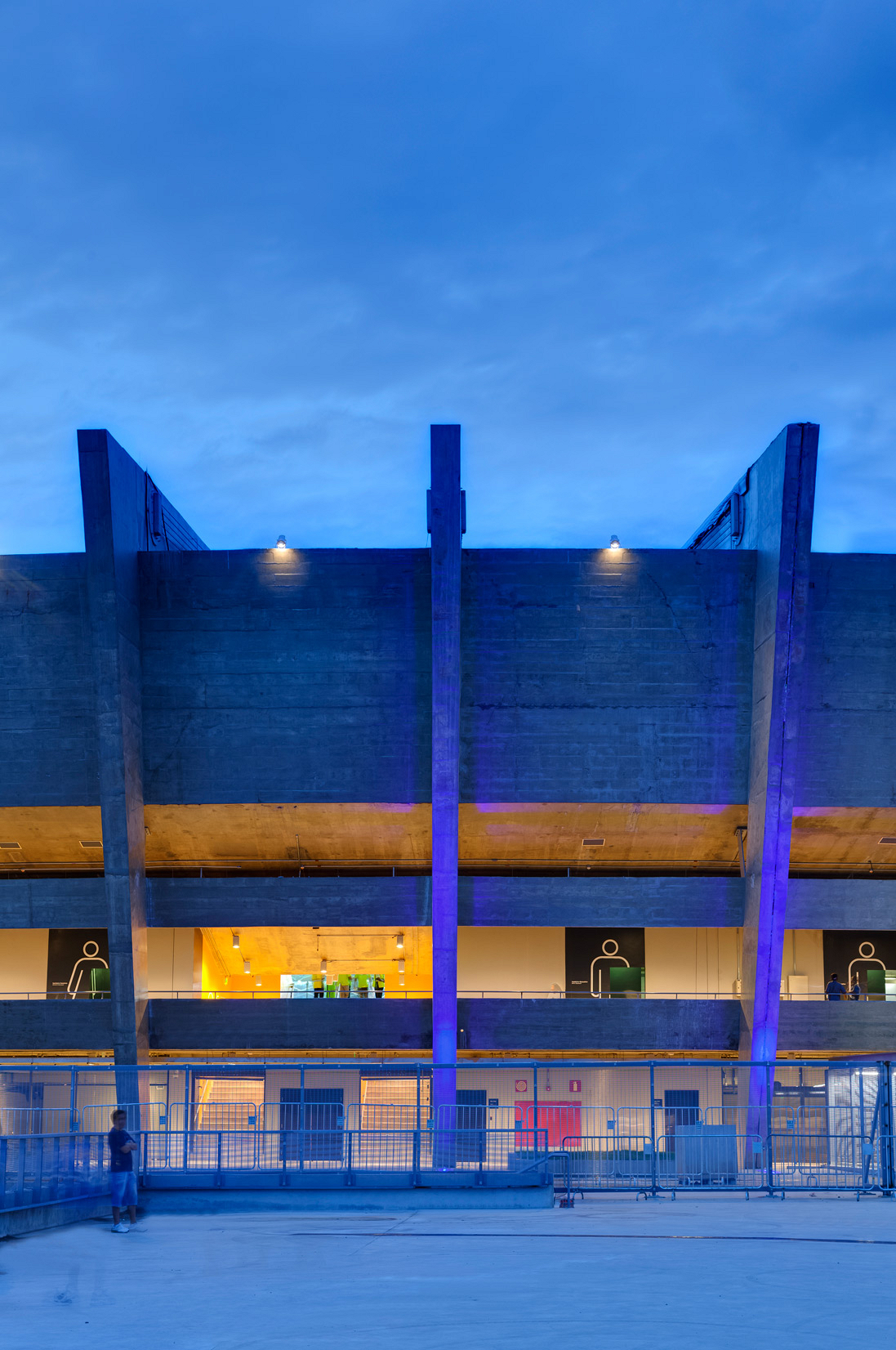
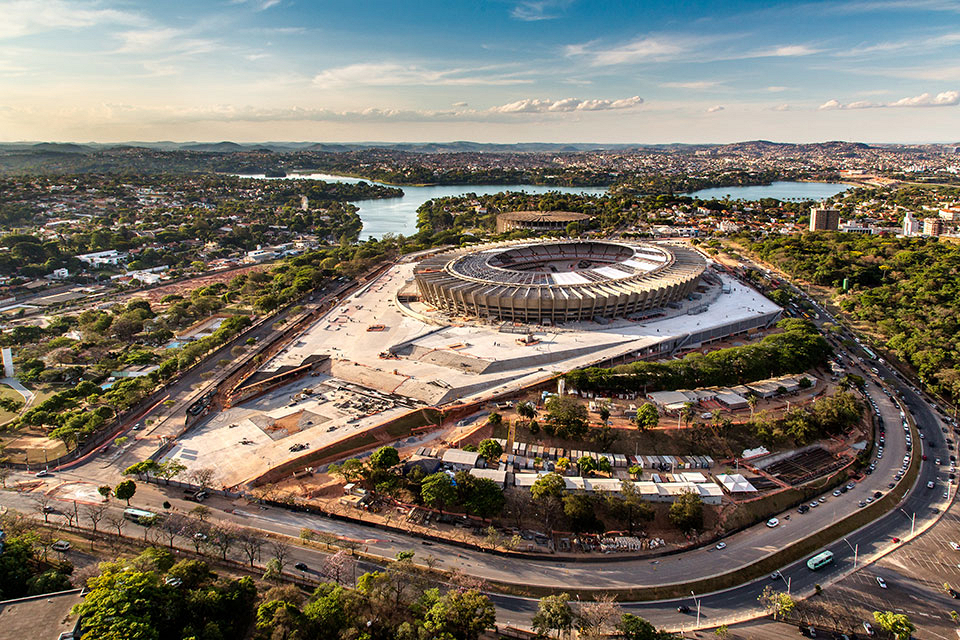
The Mineirão was inaugurated in 1965 as the second-largest football stadium in the world, with a final capacity of approximately 130,000 spectators. With its rhythmic reinforced concrete structure and monumental volumetry, designed by Eduardo Mendes Guimarães Júnior and Gaspar Garreto, it became an icon in the landscape. Today, Pampulha Lagoon, Niemeyer’s buildings, and the Mineirão structure are all heritage-listed.
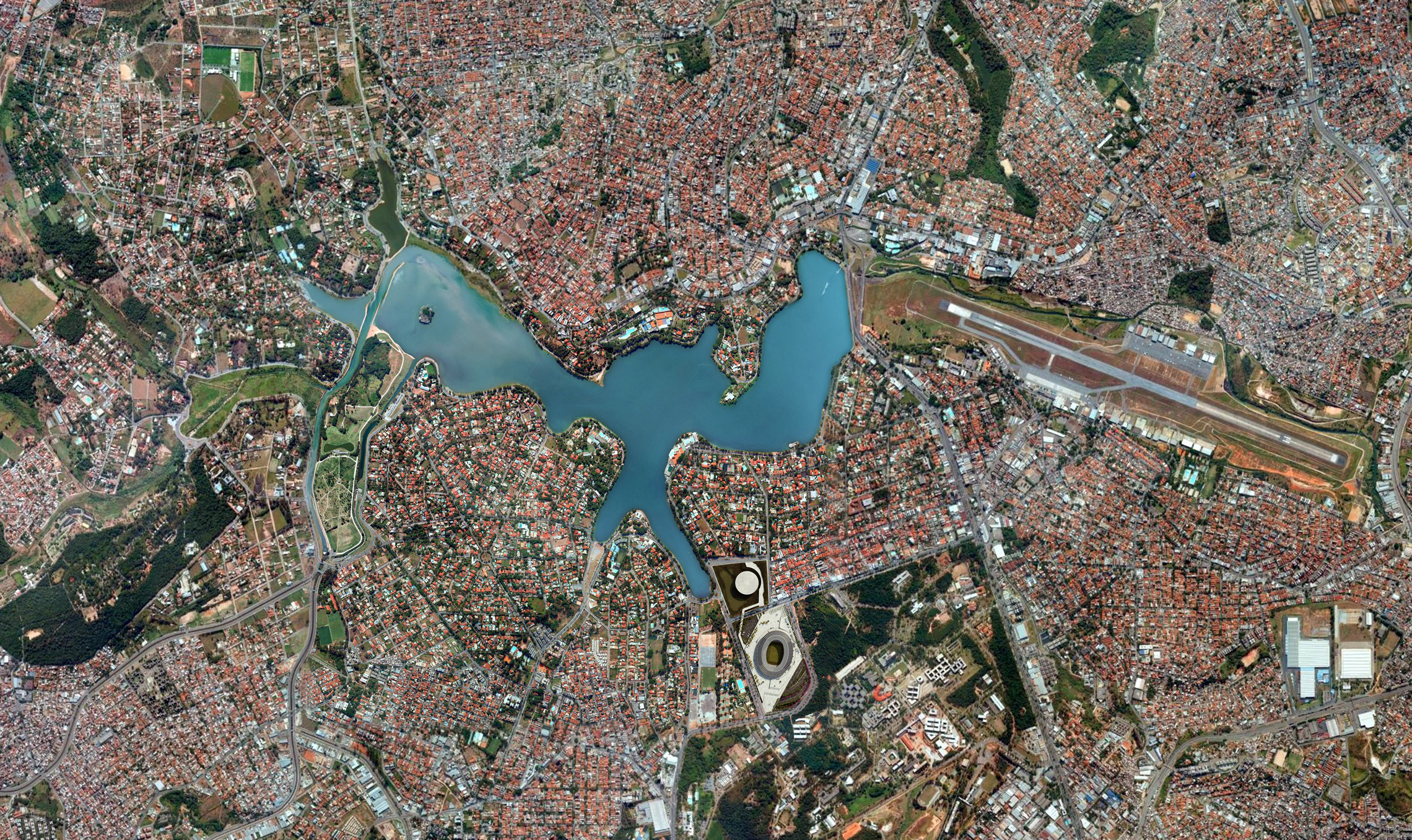
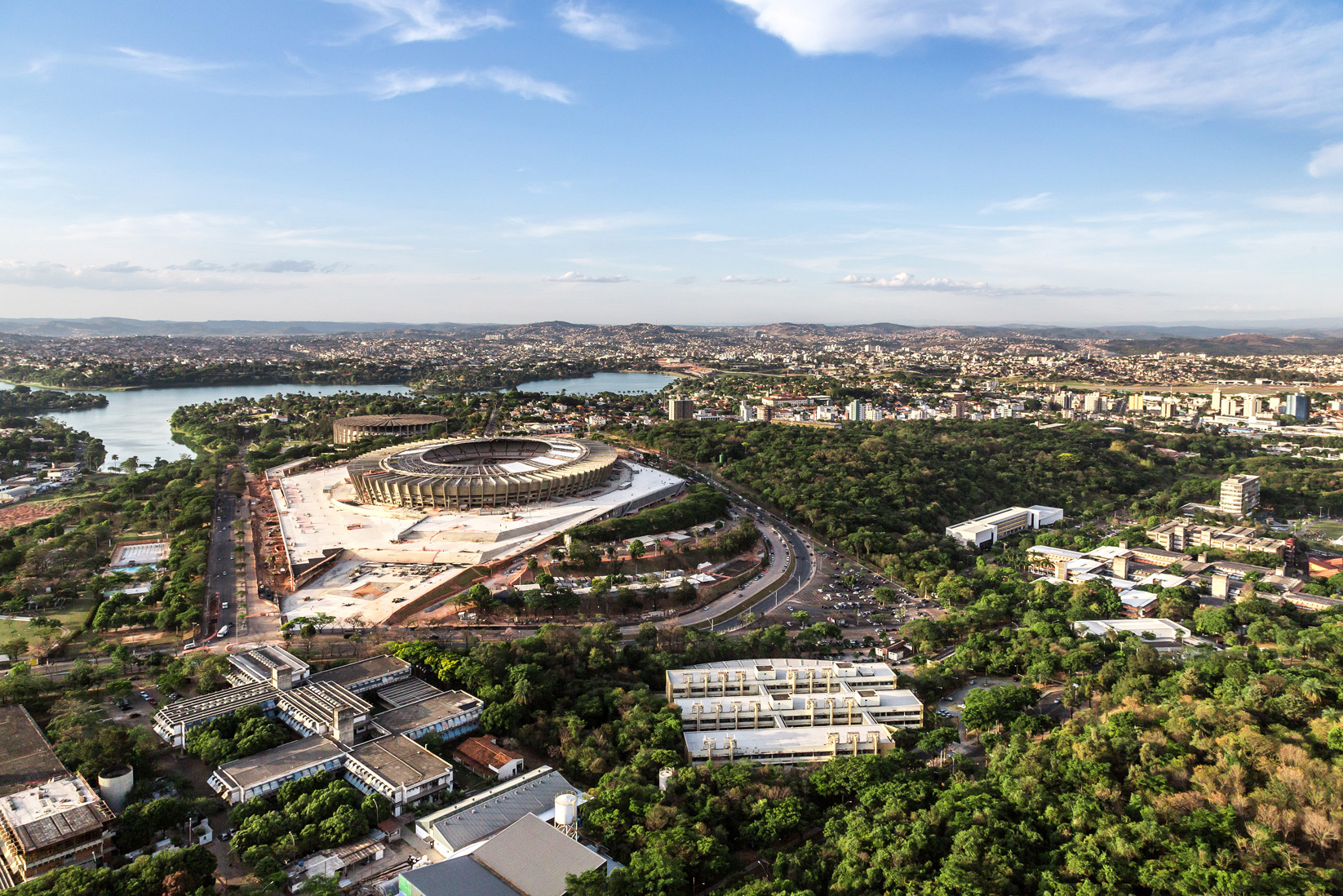
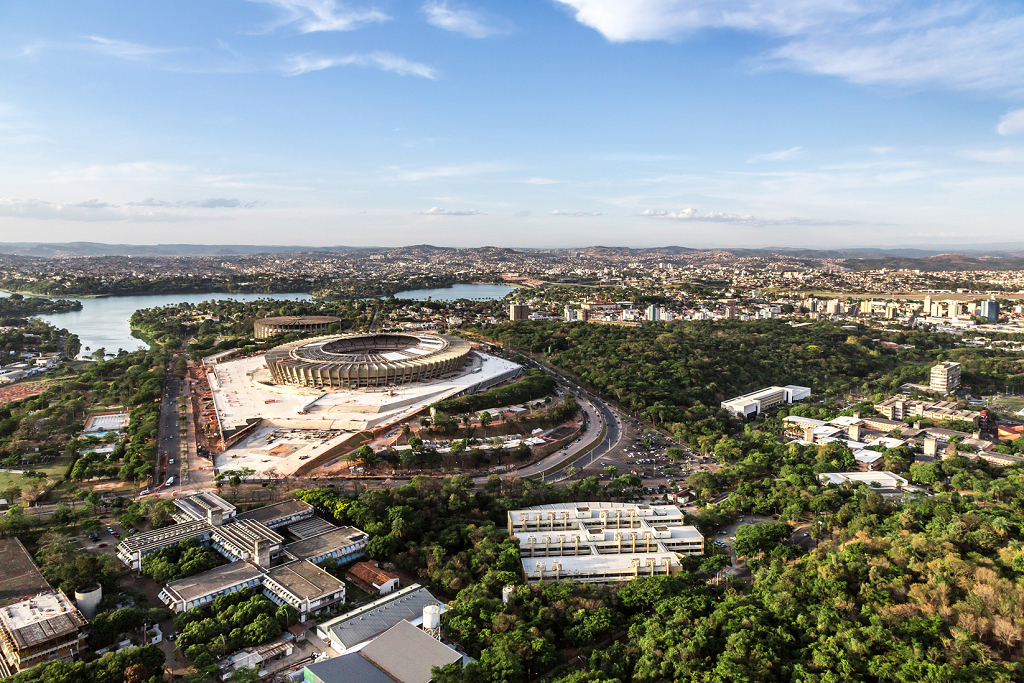
At the time of its construction, Pampulha was an isolated district, about 10 km from Belo Horizonte’s consolidated center. Today, however, it is fully integrated into the urban fabric and lies along one of the city’s axes of expansion. Despite having solid infrastructure, the neighborhood still lacks urban facilities and a broader range of services.
With Brazil’s selection to host the 2014 FIFA World Cup and the choice of Mineirão as one of the tournament venues, an opportunity emerged to transform the Gigante da Pampulha into a multifunctional sports complex—a hallmark of contemporary stadiums. The goal was to provide a diverse range of services capable of attracting both the surrounding neighborhood and the city as a whole, ensuring the economic sustainability of the complex.
The chosen instrument to enable this operational model was a public–private partnership (PPP), under which the stadium’s renovation would be carried out by a private company in exchange for a 25-year concession to operate the facility.
The winning bidder was the Minas Arena Consortium, which invited the architects of BCMF (Bruno Campos, Marcelo Fontes, and Silvio Todeschi), renowned for their experience in sports architecture, to take responsibility for the executive design of the New Mineirão. BCMF had previously designed the Deodoro Sports Complex for the 2007 Pan-American Games in Rio de Janeiro and most of the conceptual studies for the successful Rio 2016 Olympic bid.
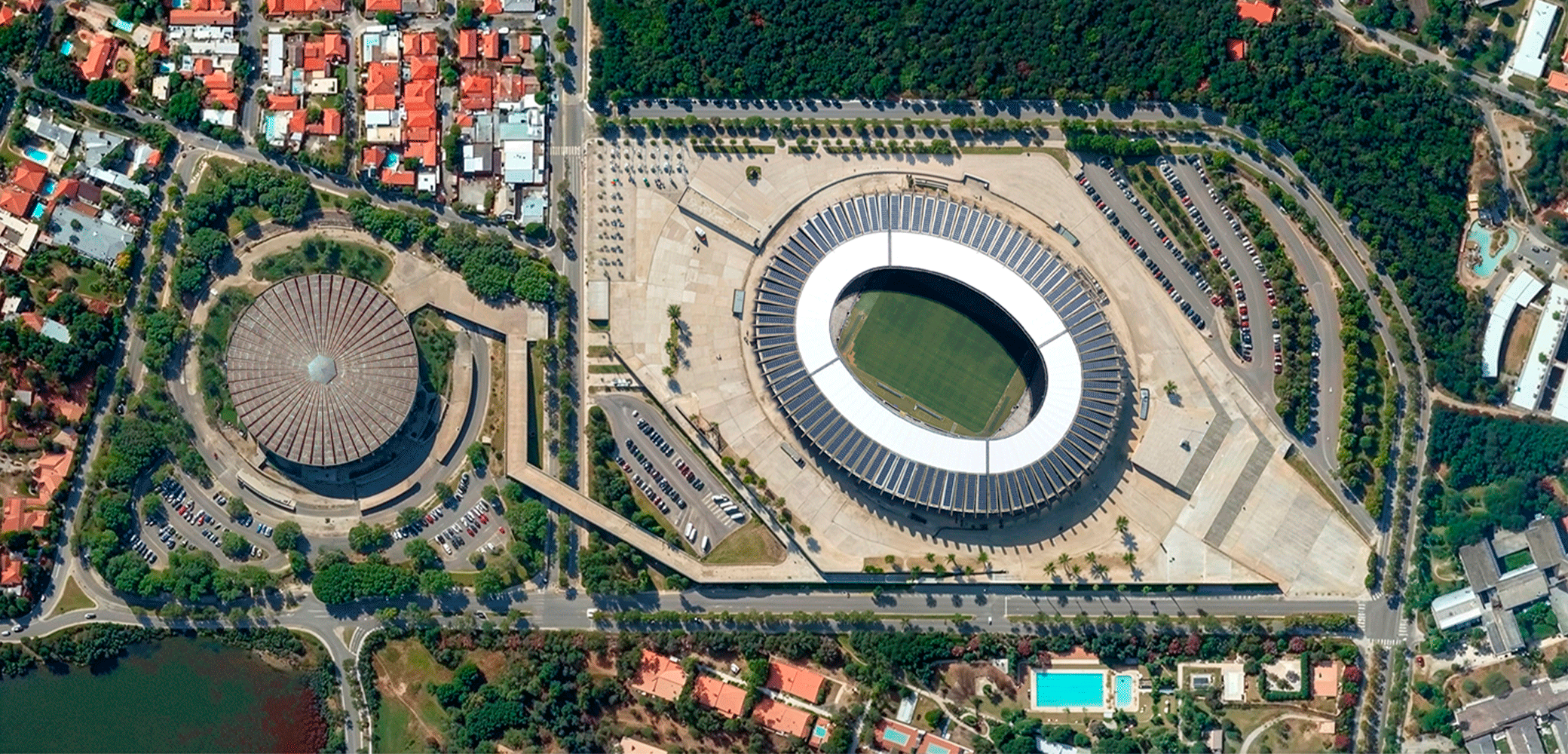
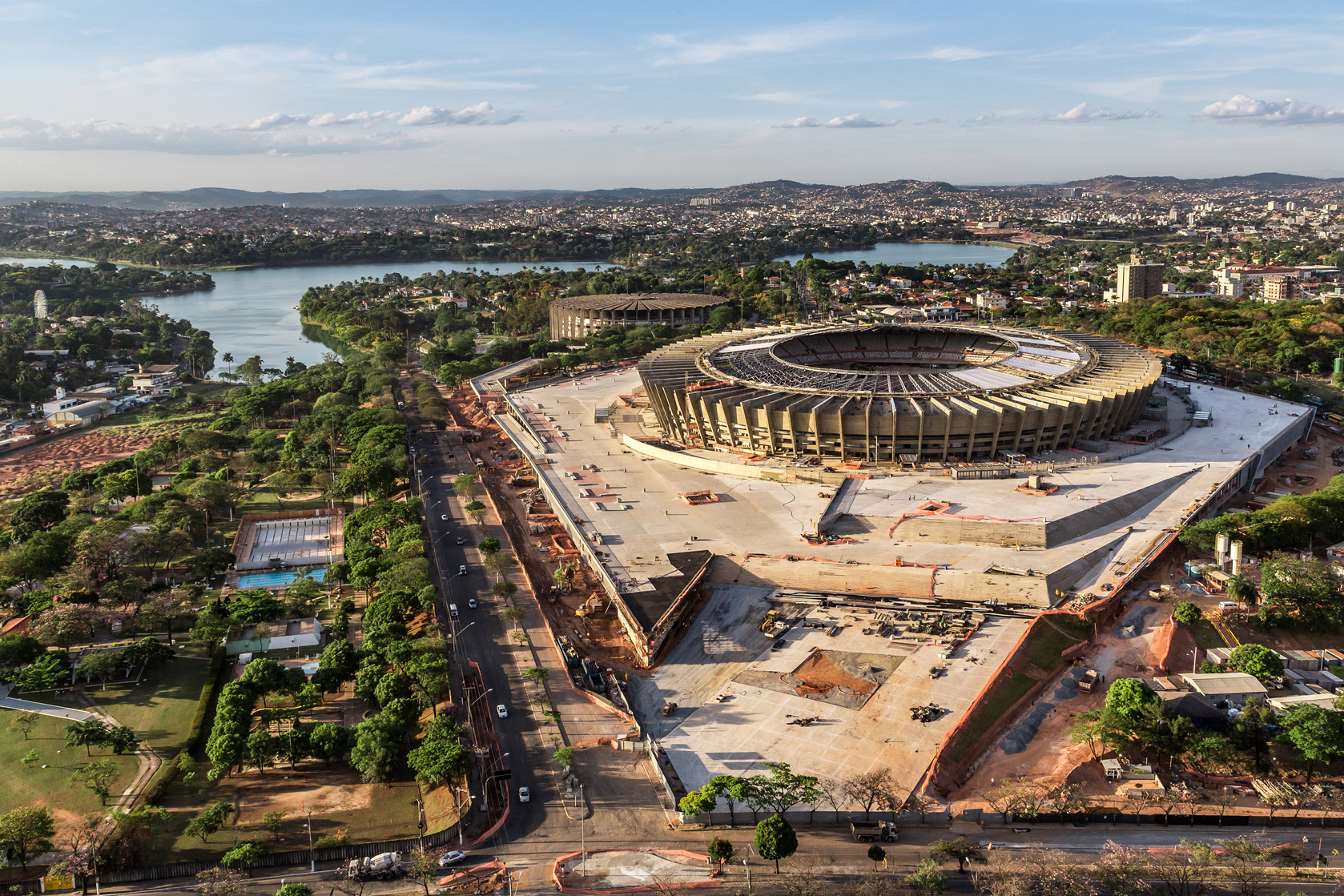
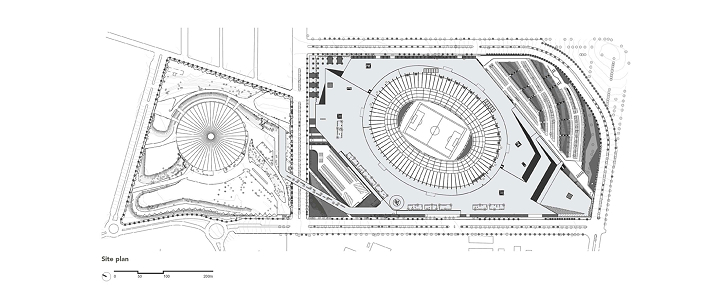
The task was to revisit the basic design used in the bidding reference terms—signed by GPA&A and the German firm GMP—and deliver a new architectural solution aligned with the consortium’s demands and the PPP framework. Innovations ranged from compliance with new FIFA requirements, the General World Cup Law, and updated Fire Department regulations, to new concepts aimed at integrating the complex with its immediate context and enhancing its commercial potential. This included a complete reconfiguration of the external architecture (the esplanade) and the extension of the roof, all within a tight schedule.
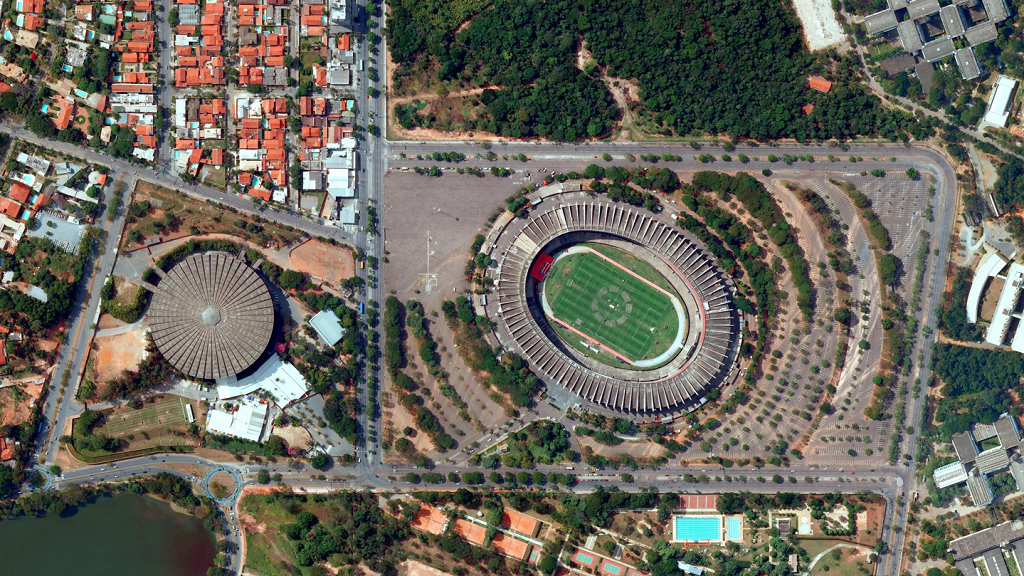
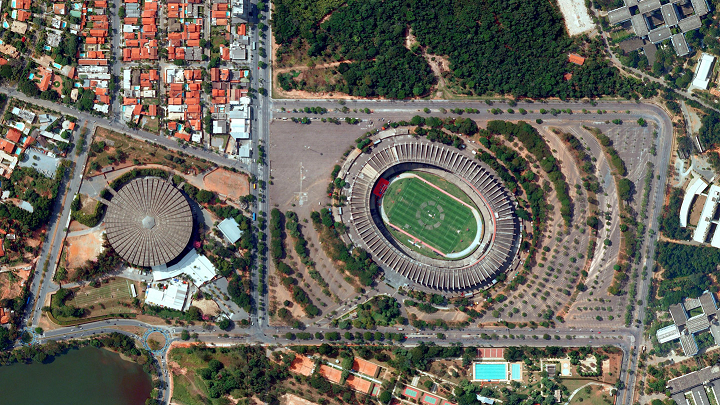
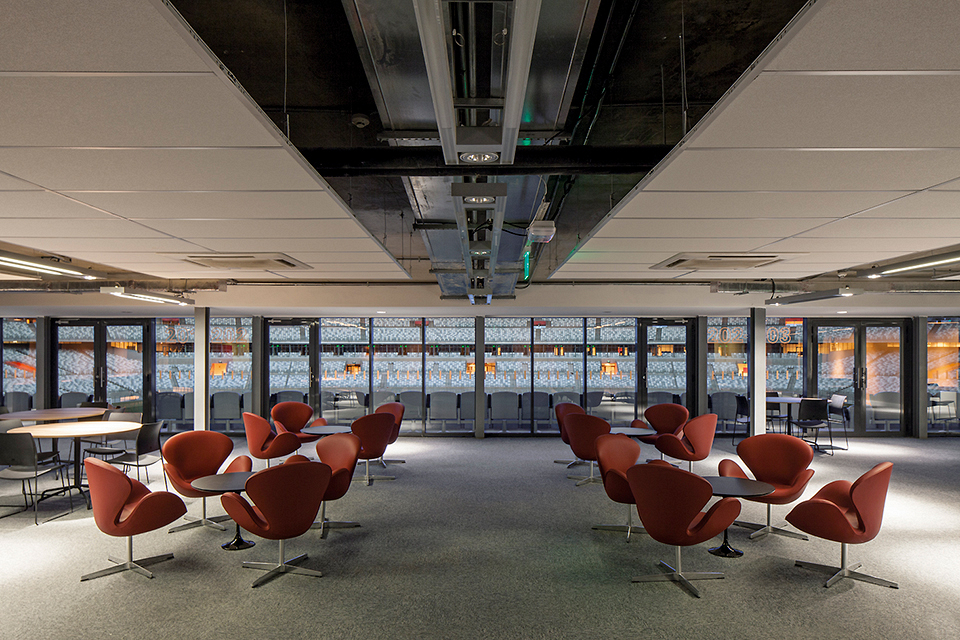
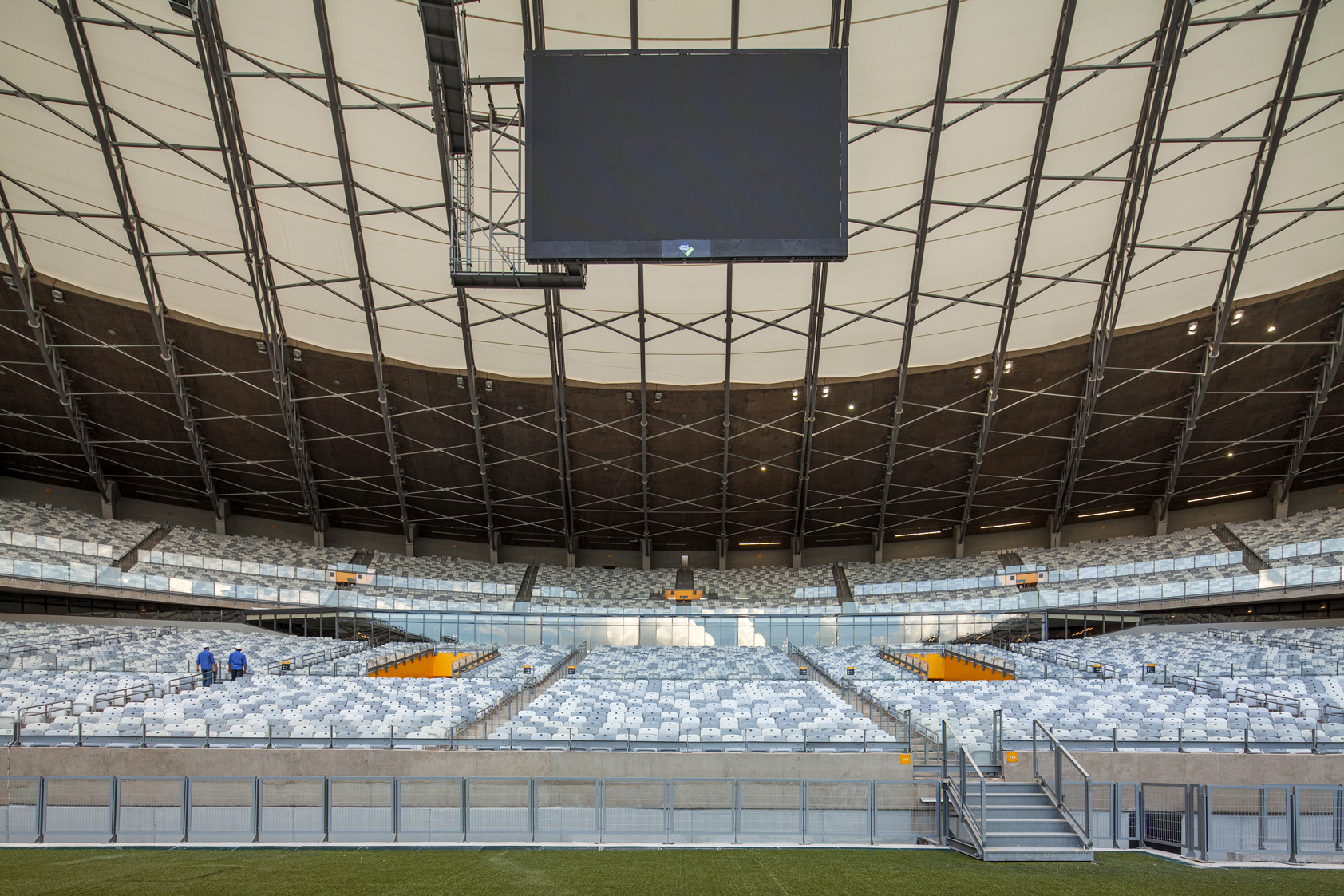
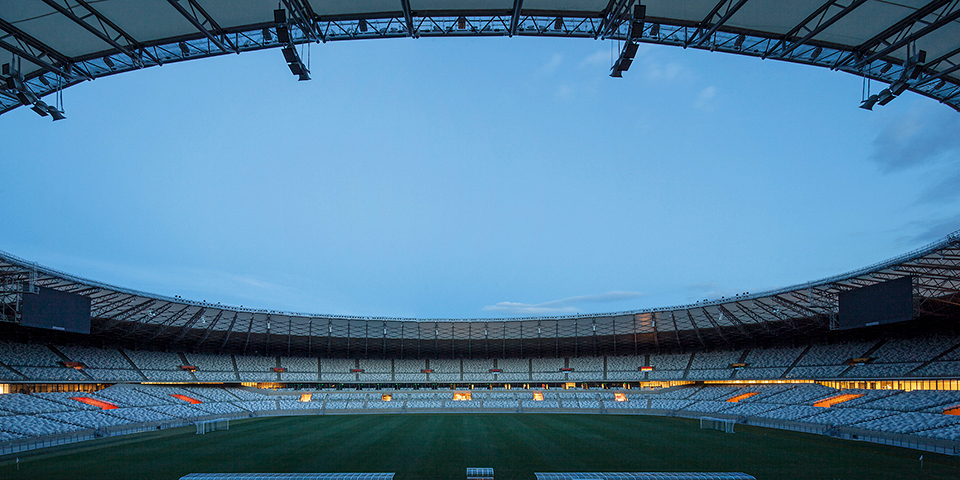
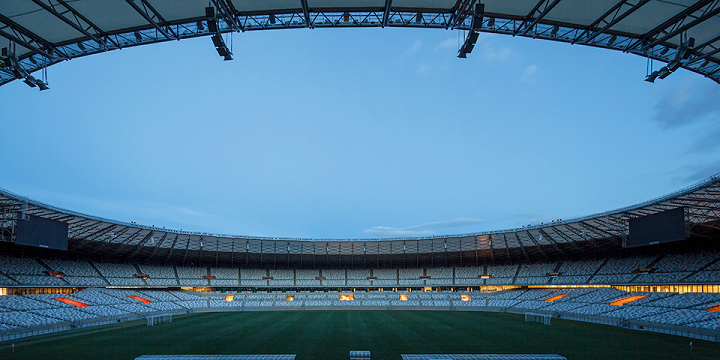
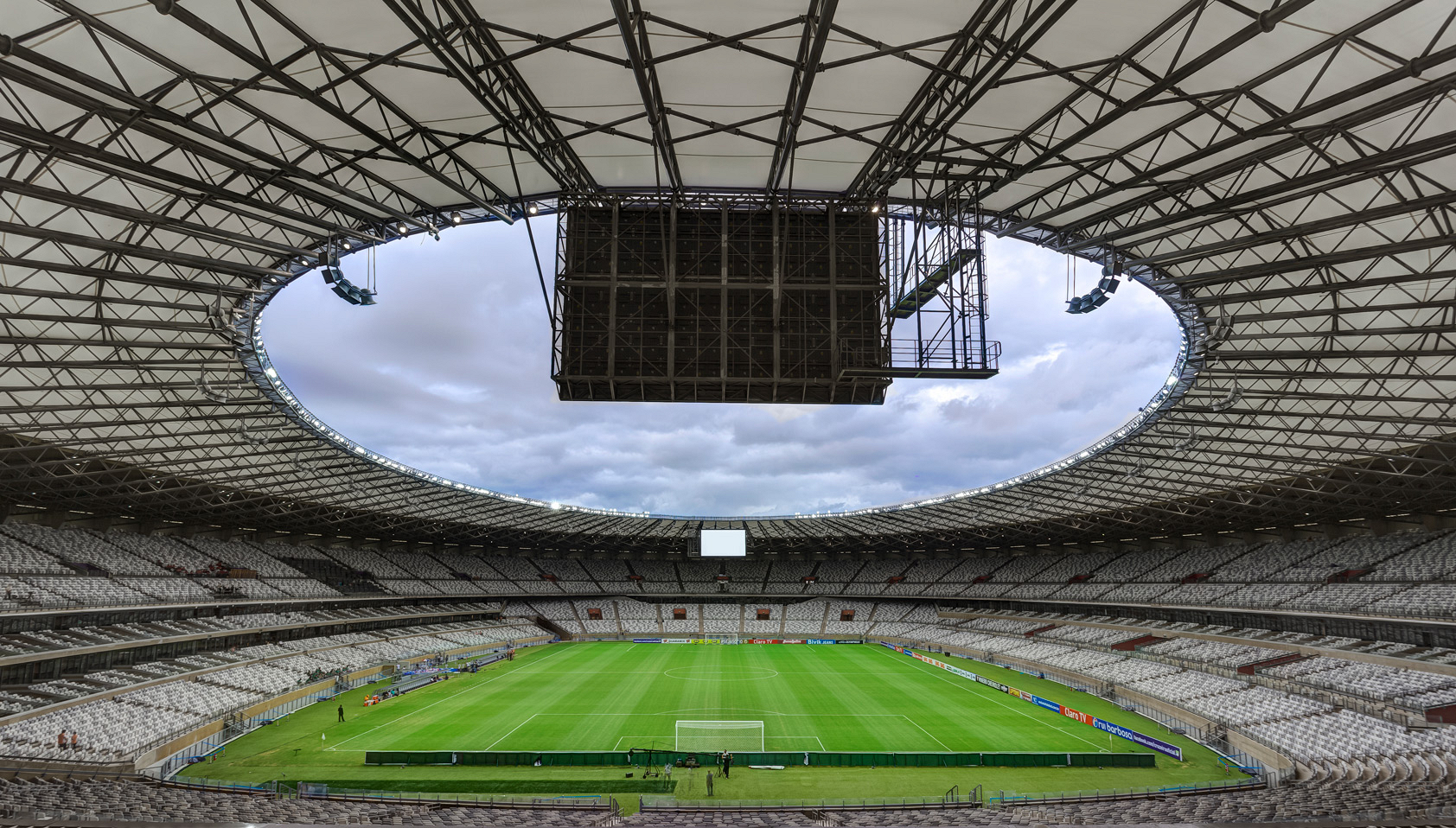
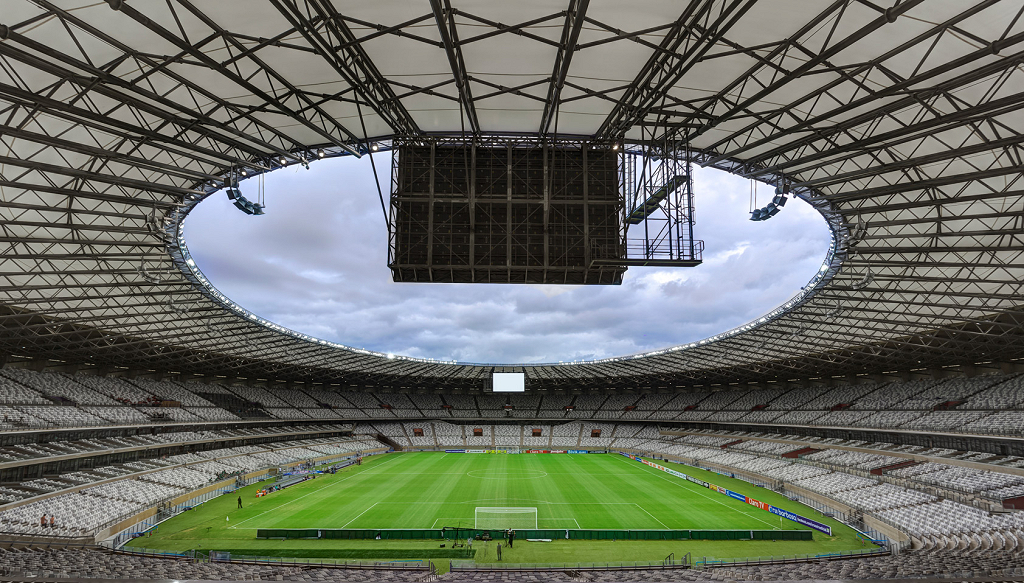
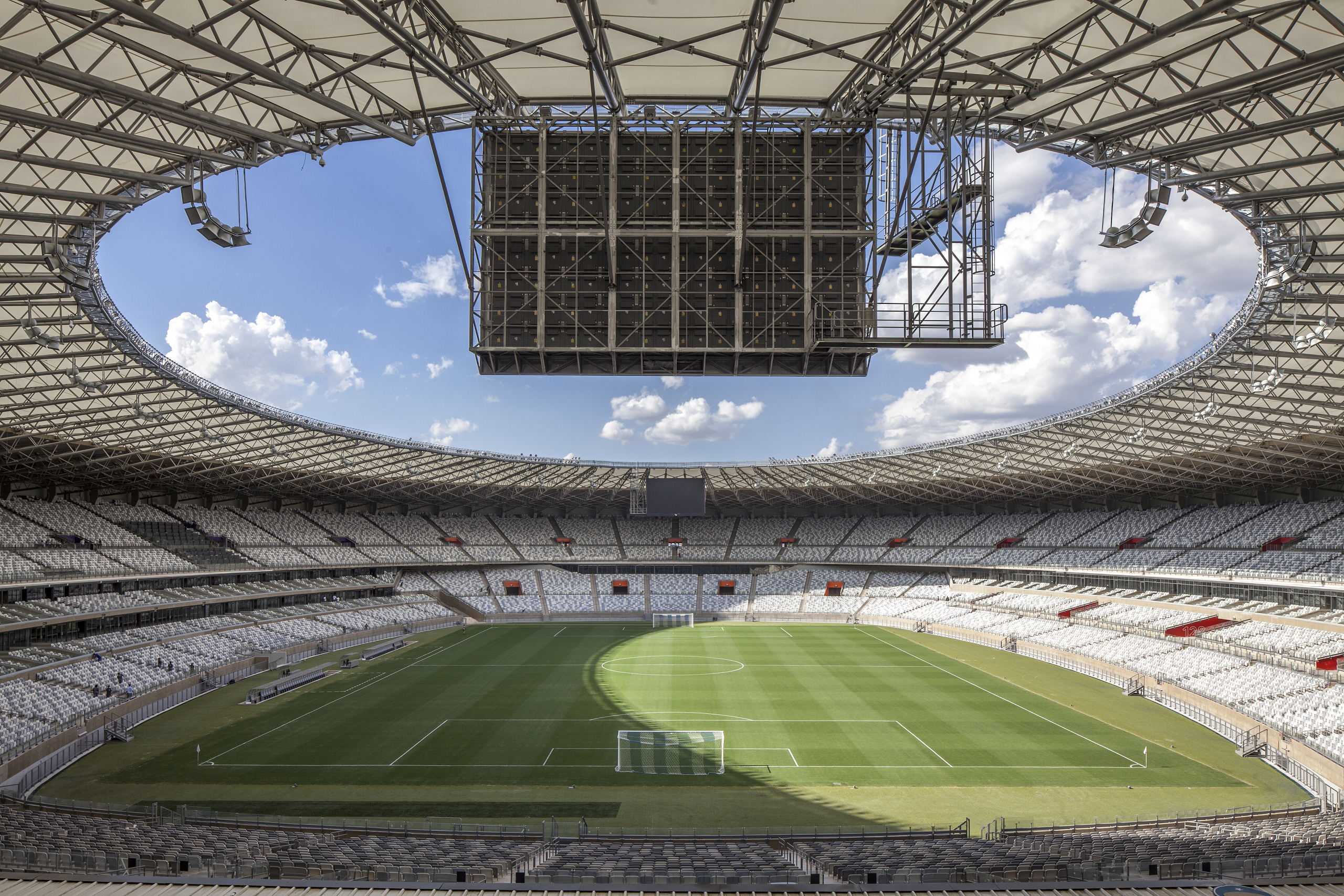
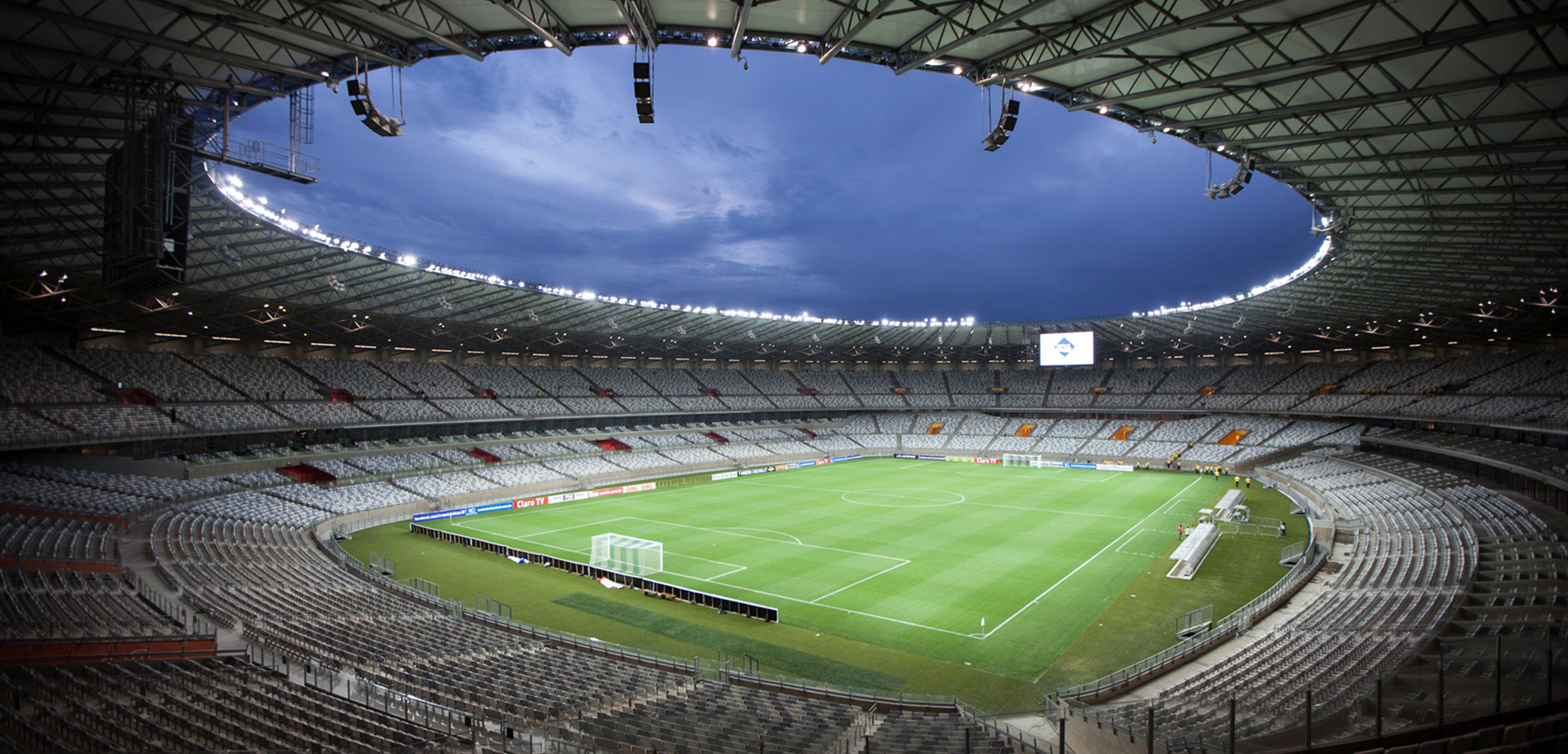
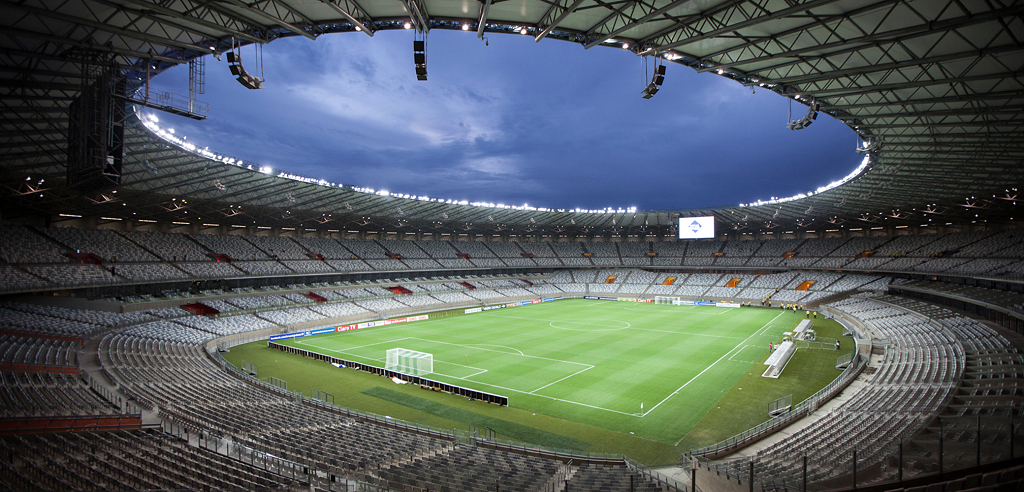
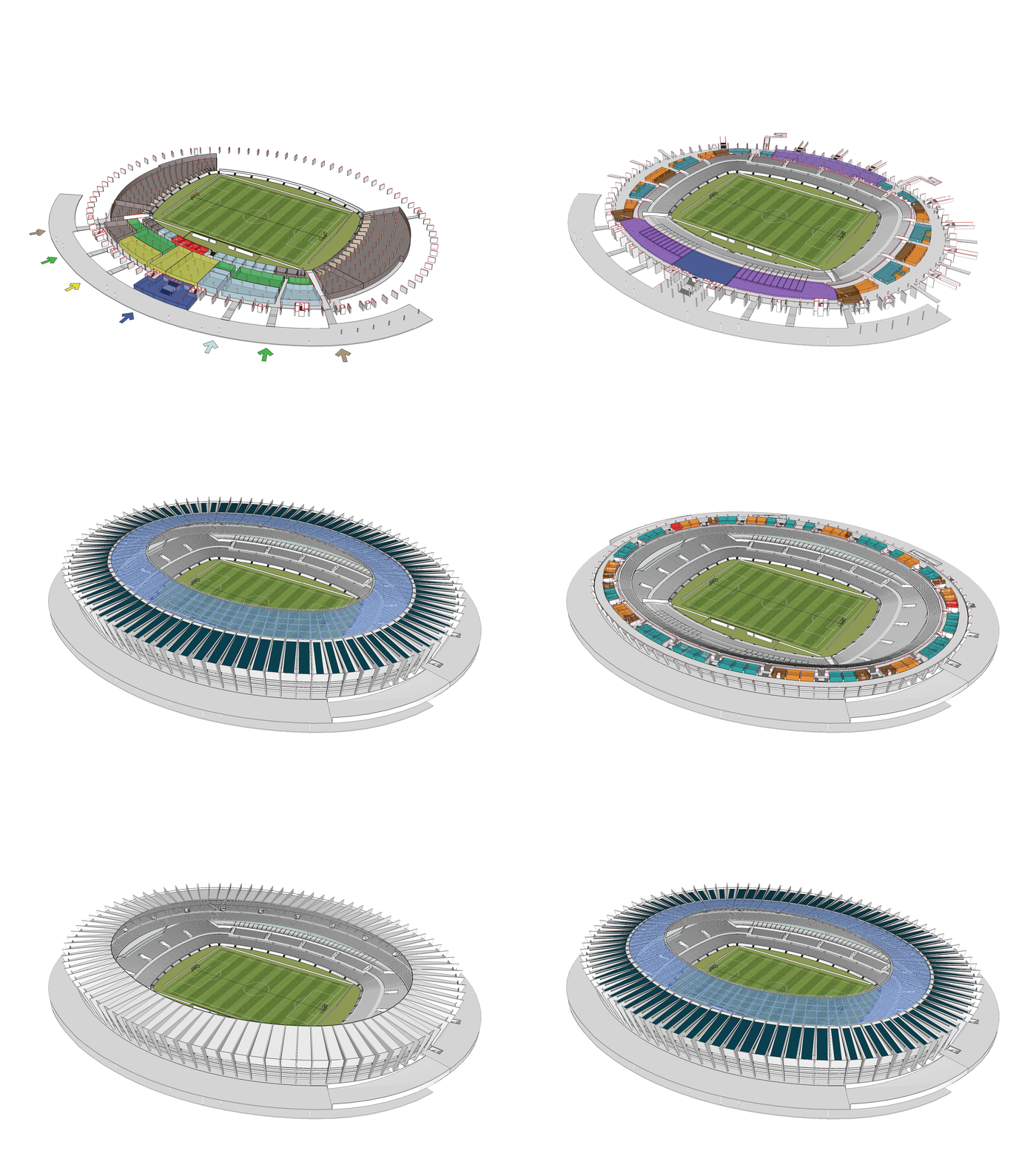
Changes inside the stadium primarily addressed FIFA requirements: access, safety, capacity, sightlines, press areas, athlete facilities, and logistics. The highlight was the roof extension, essential both for spectator comfort (protection from weather) and for broadcast quality, eliminating shadow effects in television transmission. Externally, it was necessary to reorganize land use, previously dominated by parking, to improve access and support infrastructure while enabling the commercial operation typical of the PPP model.
An analysis of the evolution of sports stadium typologies over recent decades reveals a trend toward incorporating new programs outside the arena, usually expressed in two classic forms: either a podium added as a horizontal platform at the base of the building—such as in Green Point Stadium (South Africa), Allianz Arena (Munich), and Castelão (Fortaleza)—or a vertical volume attached to form a compact whole, as in Itaquerão in São Paulo.
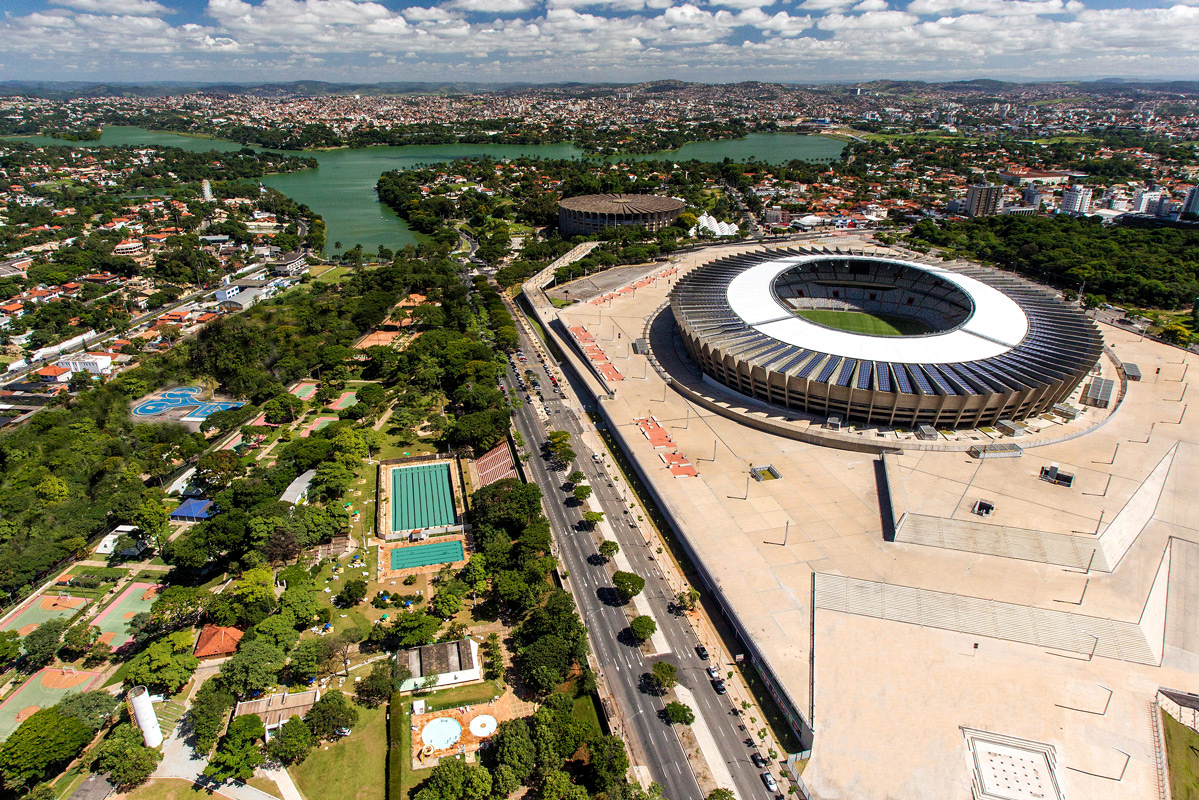
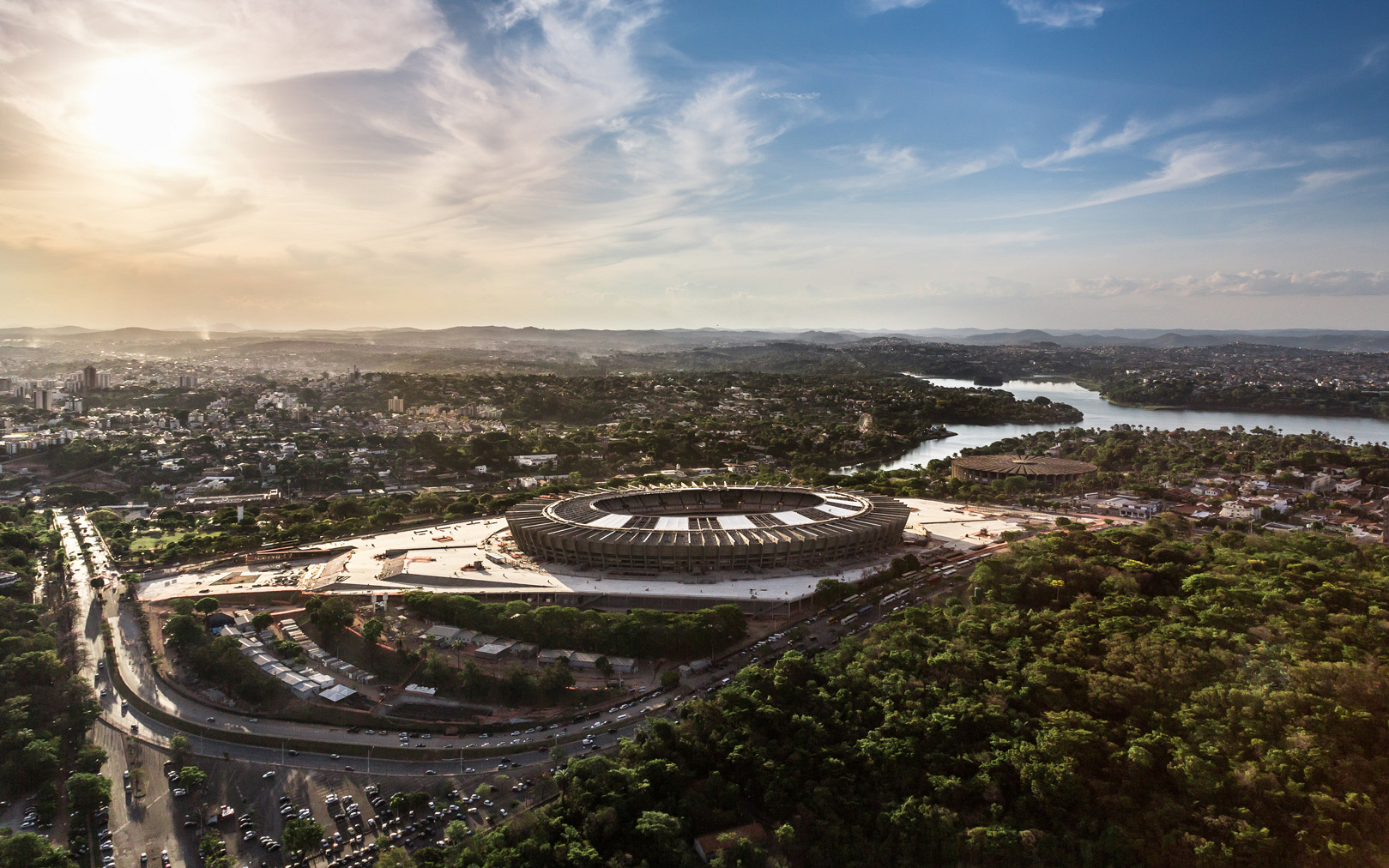
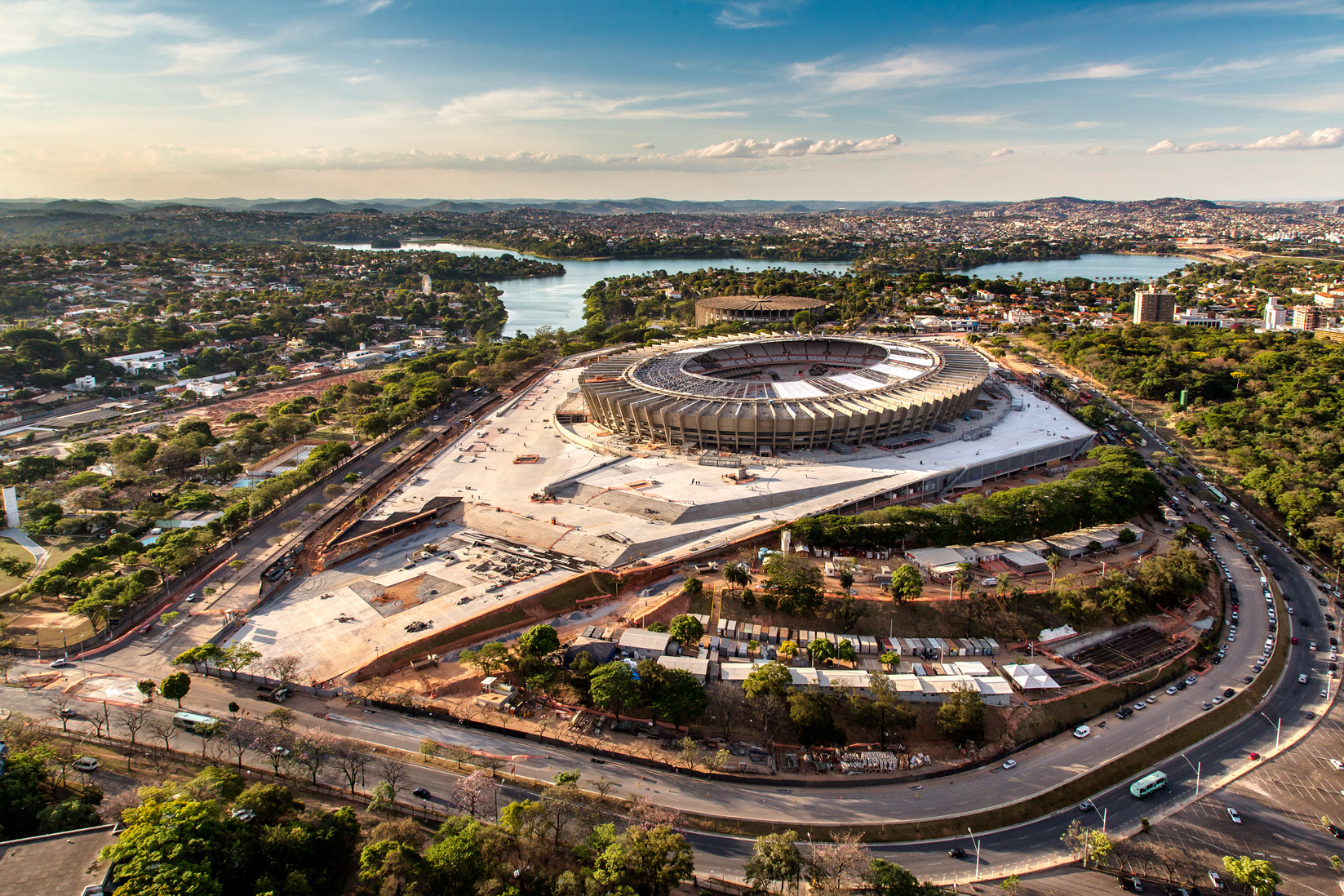
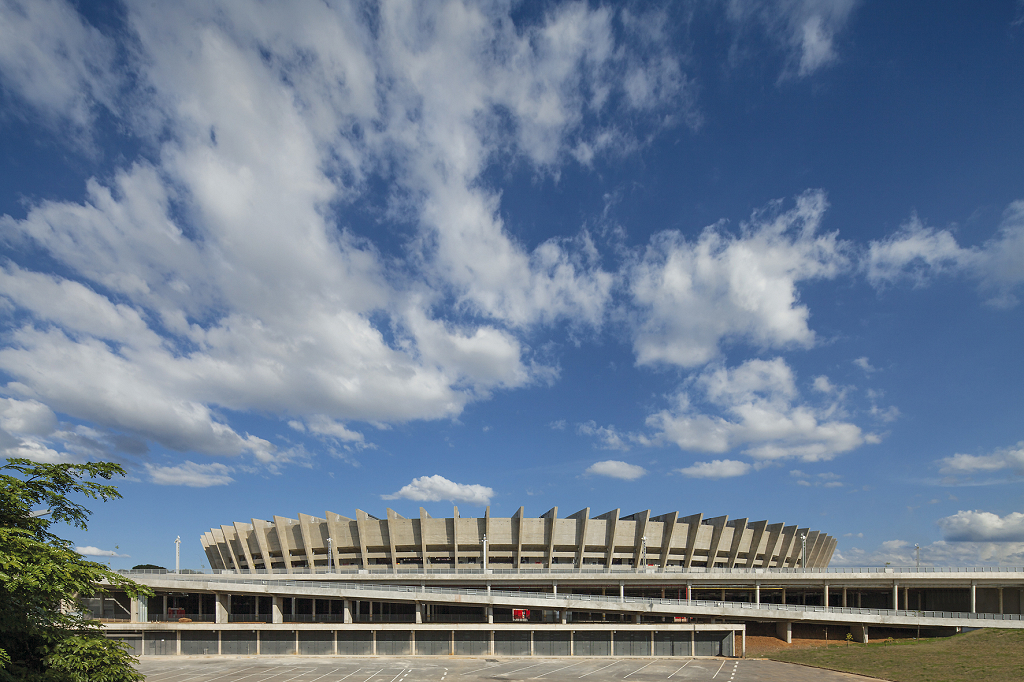
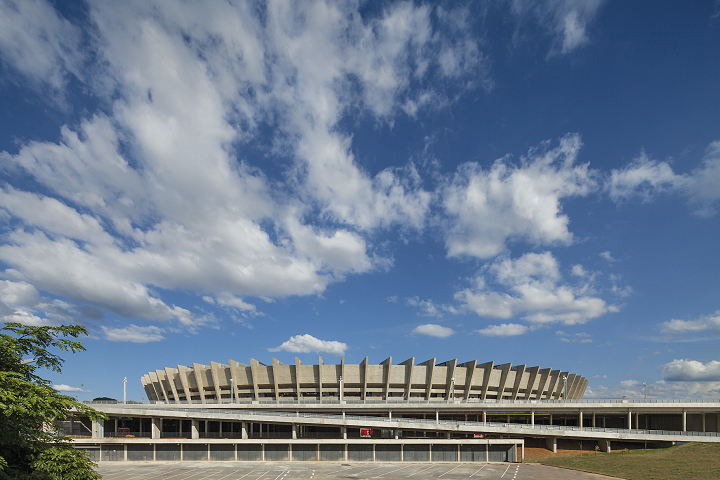
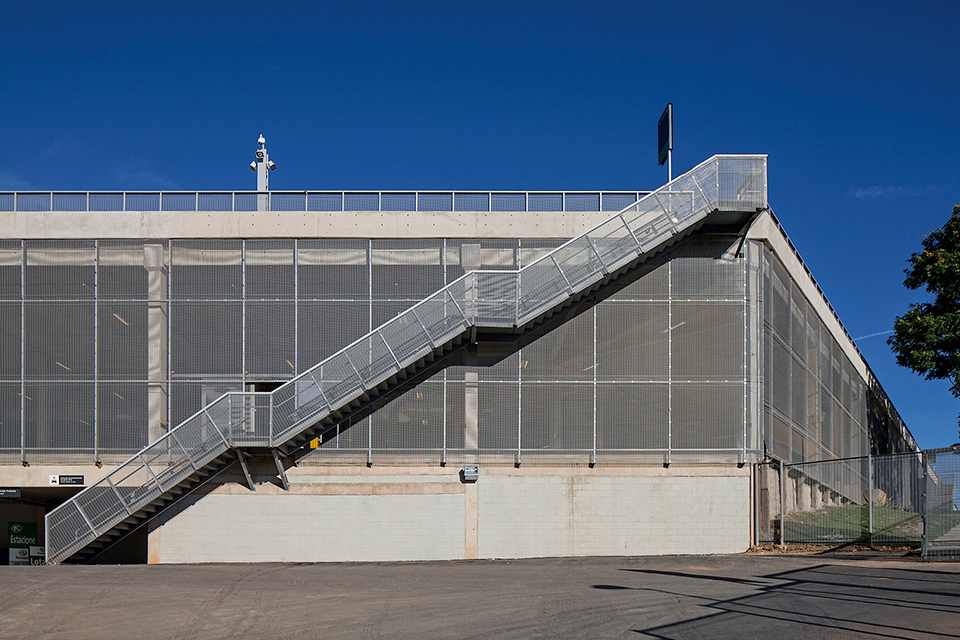
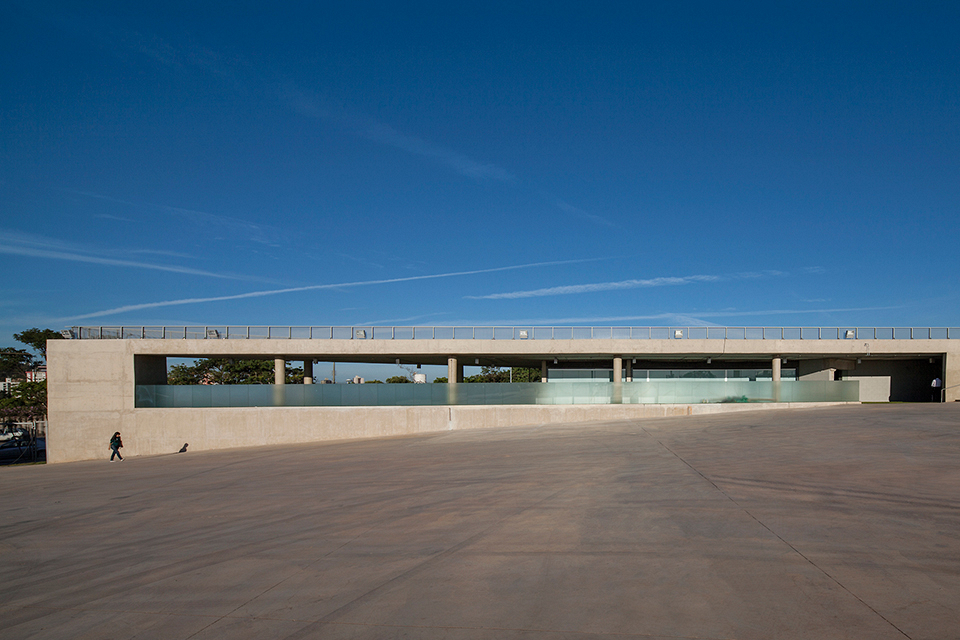
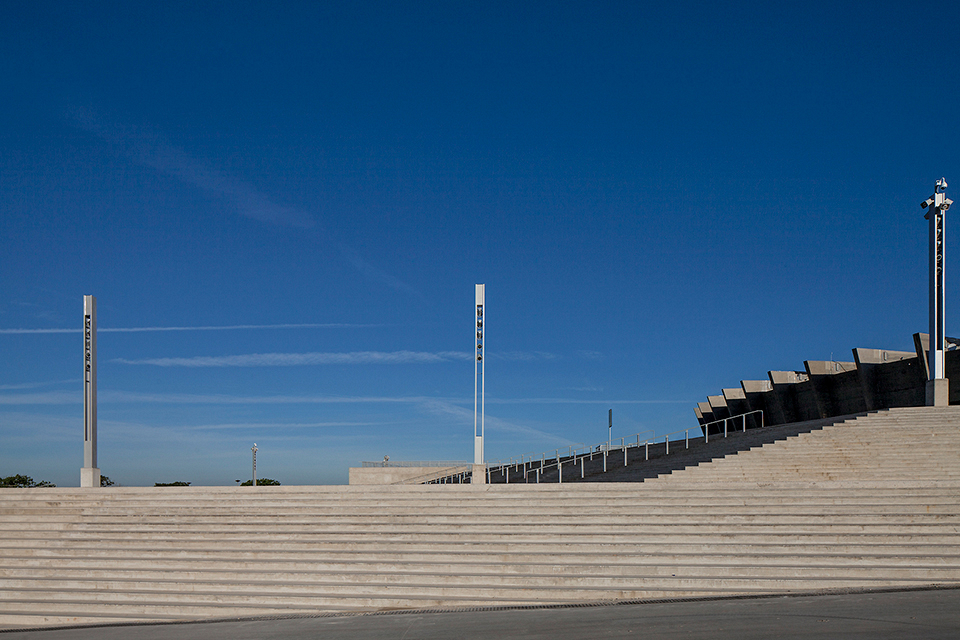
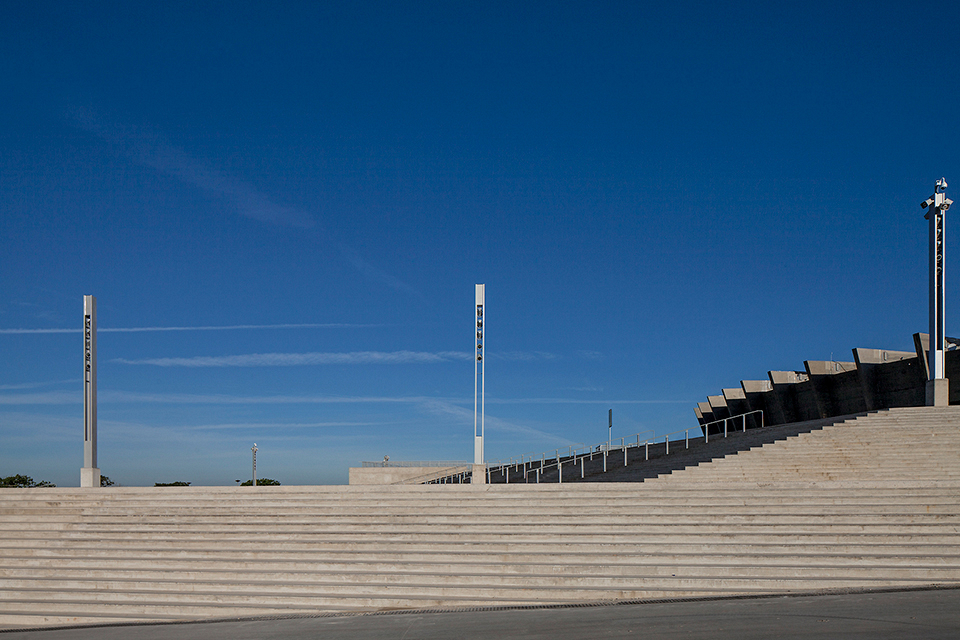
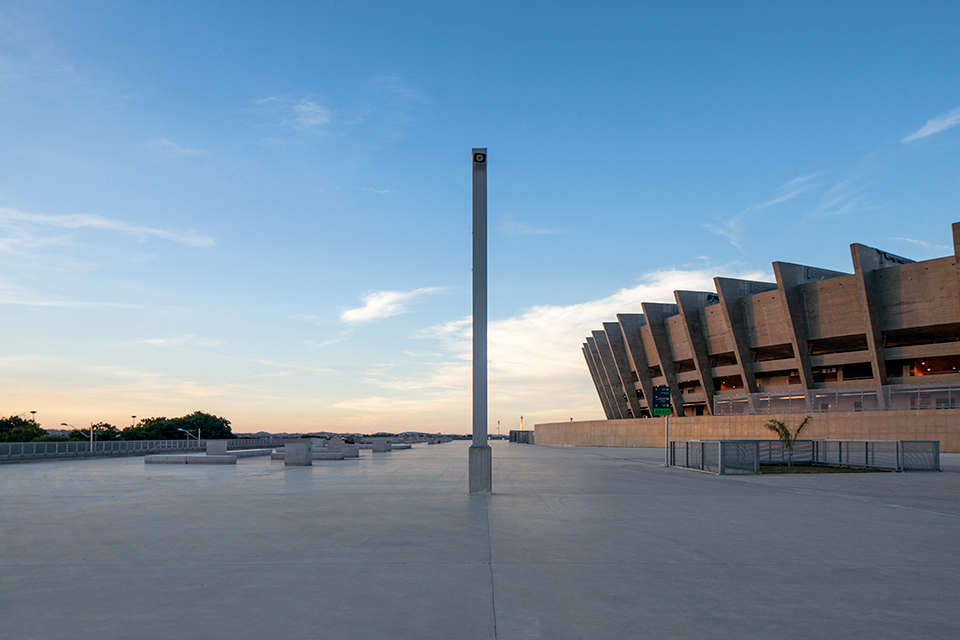
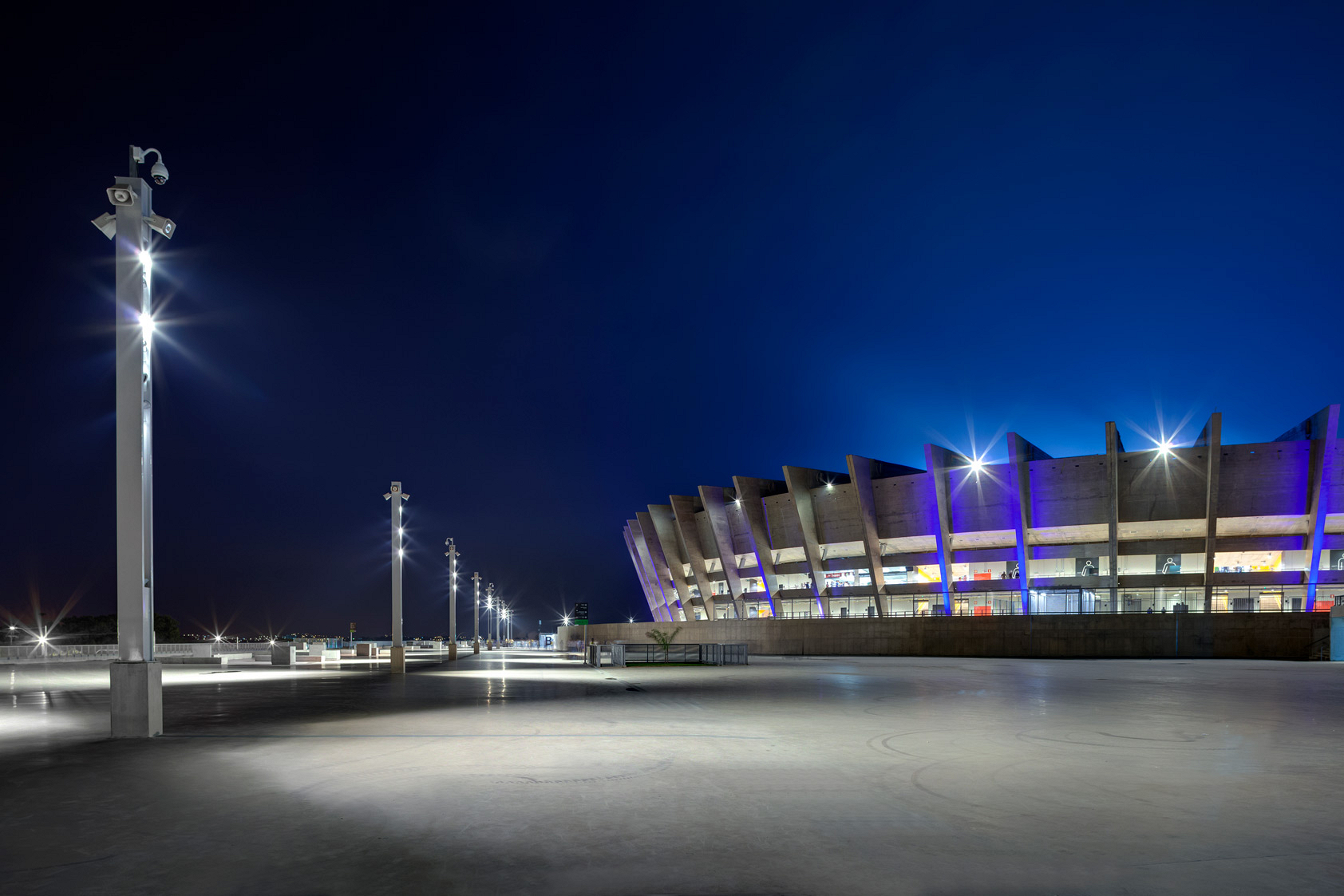
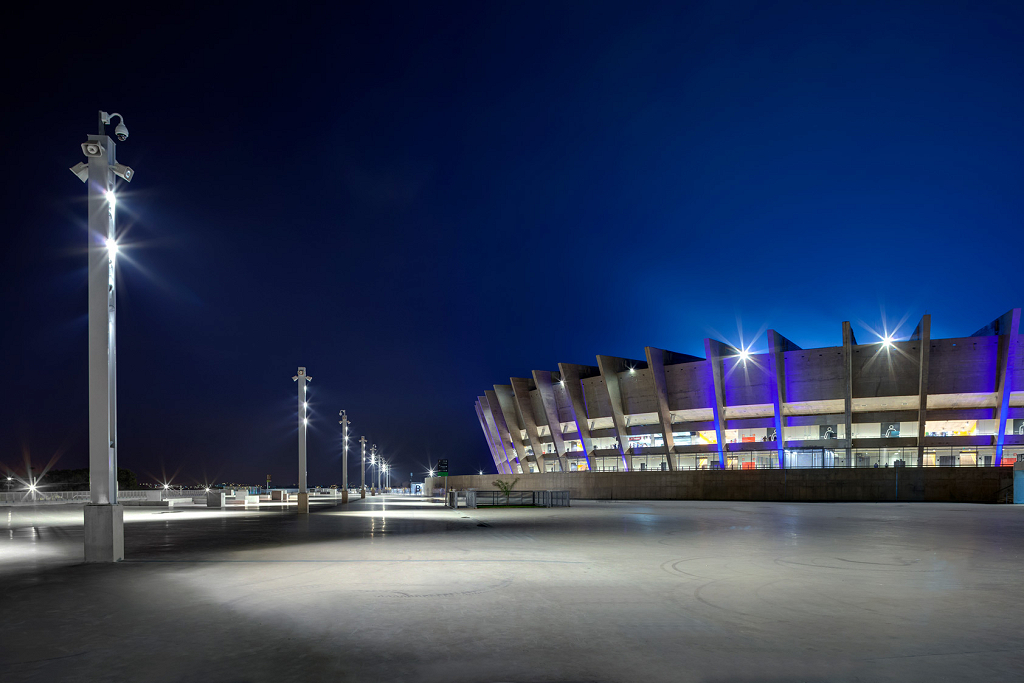
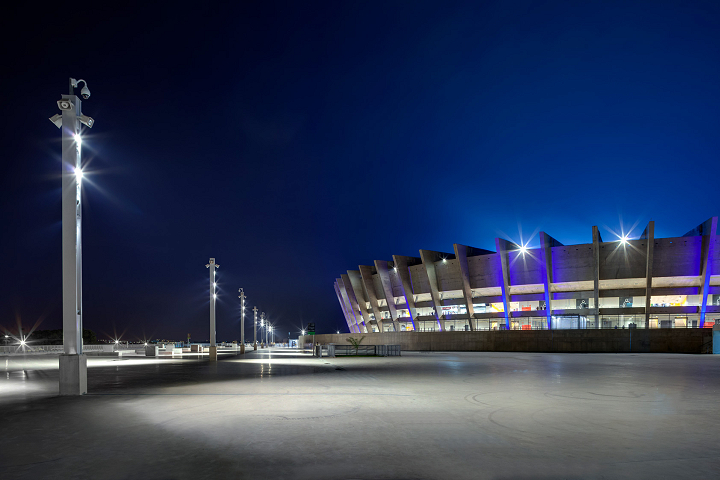
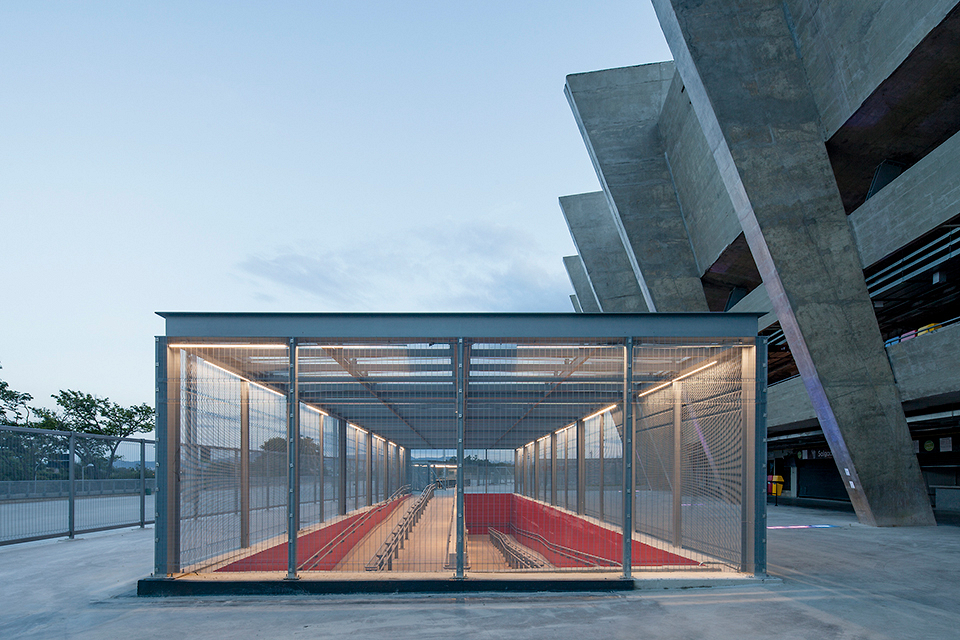
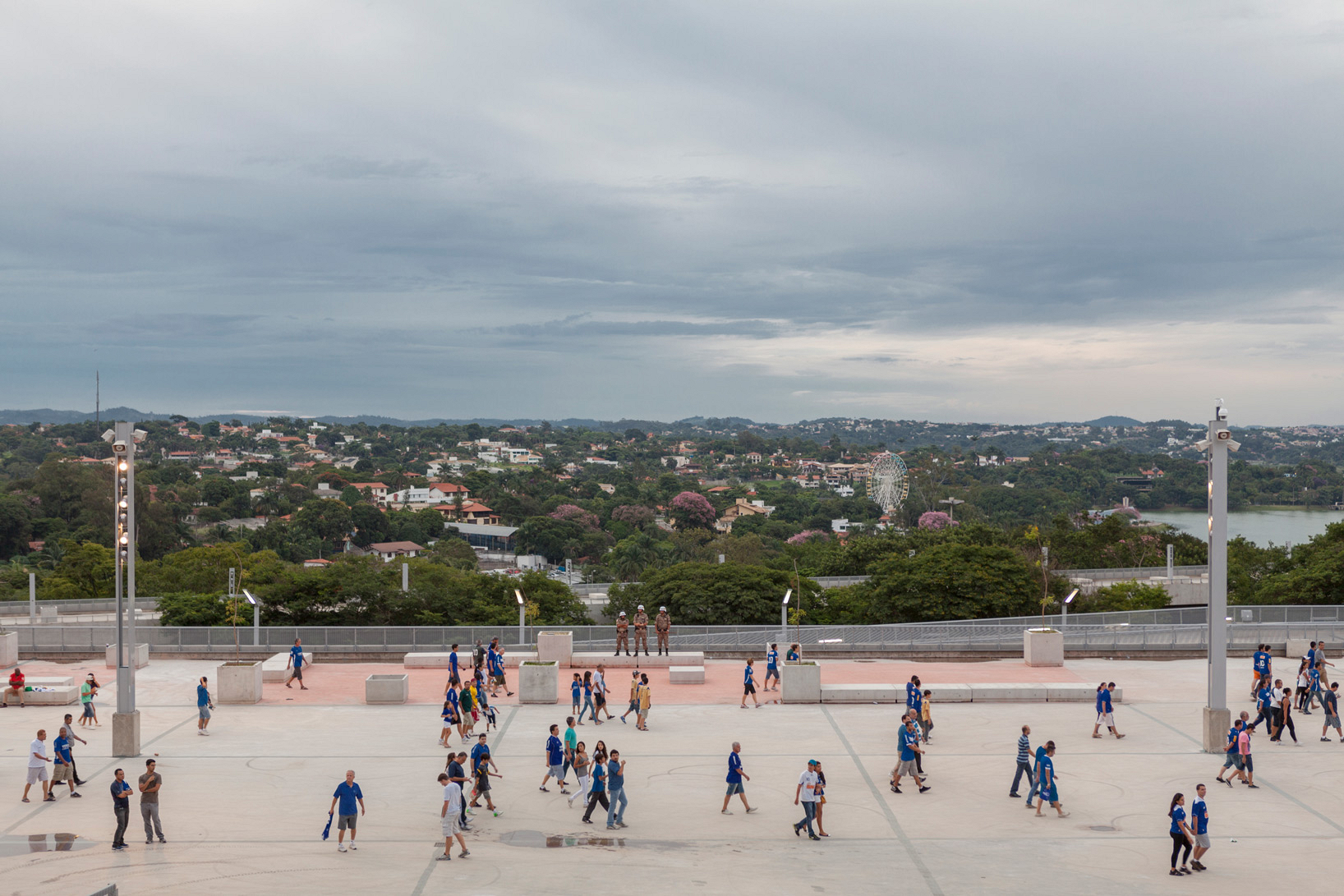
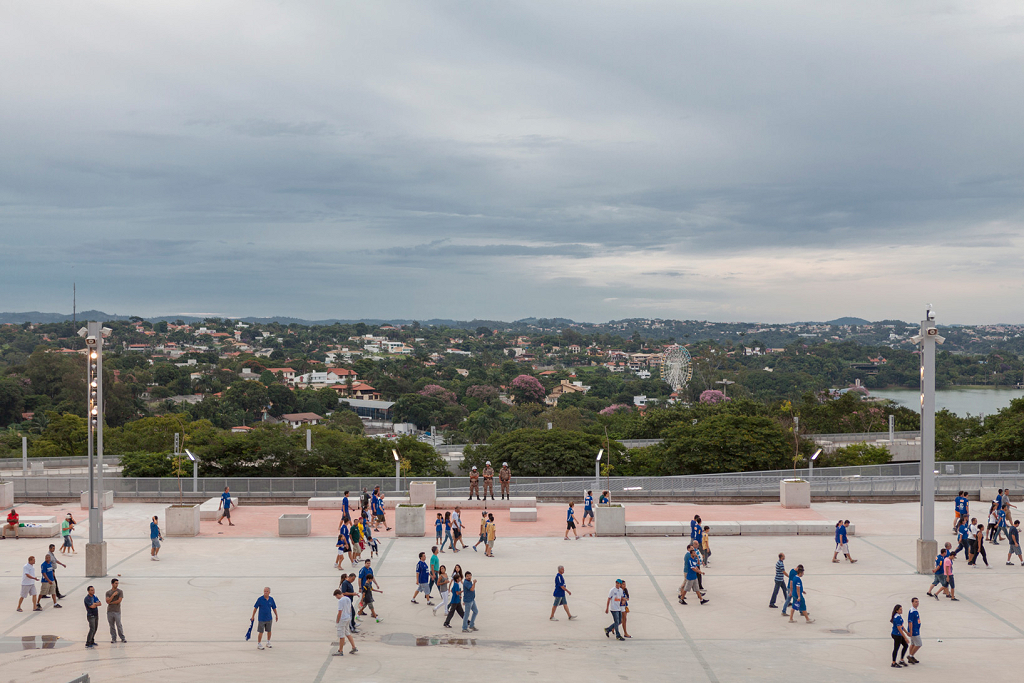
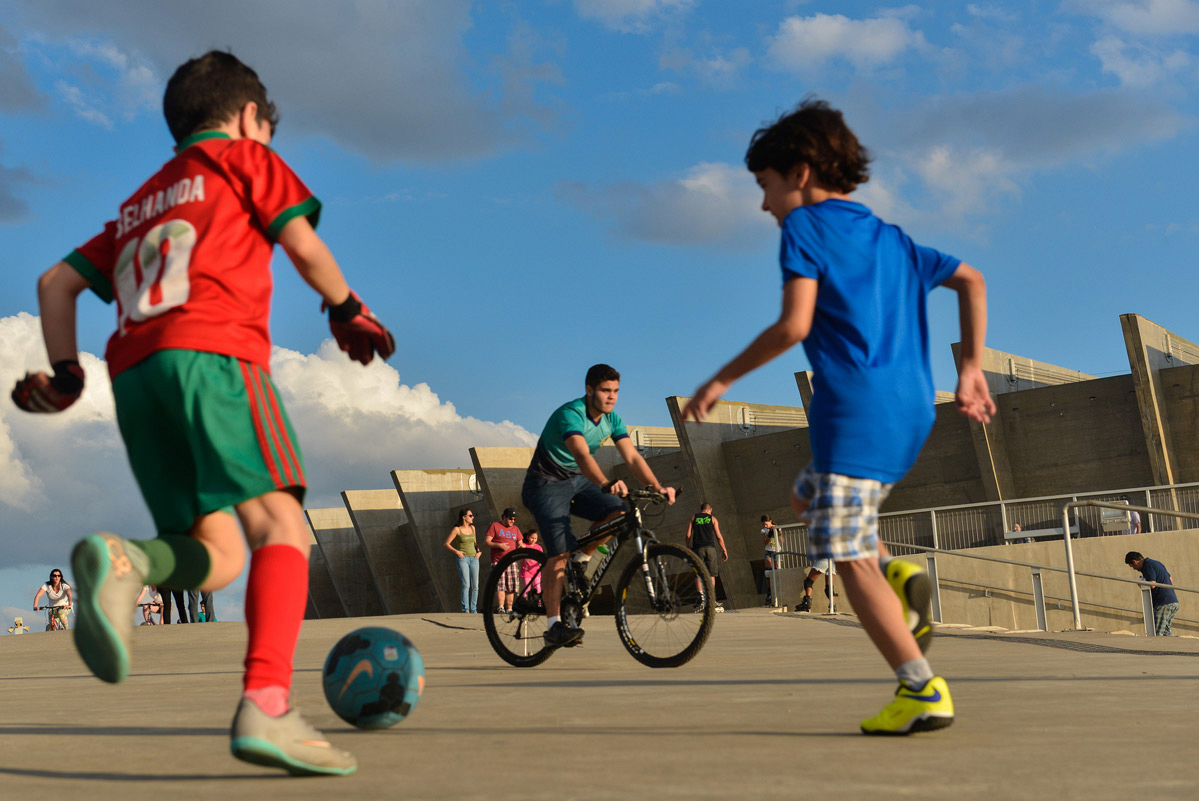
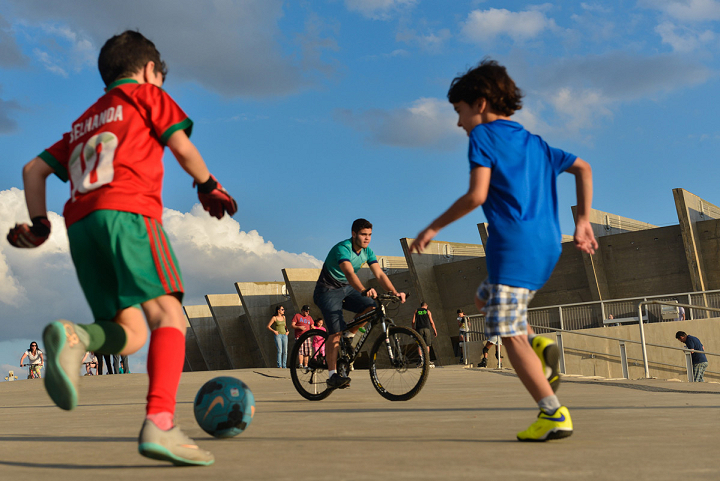
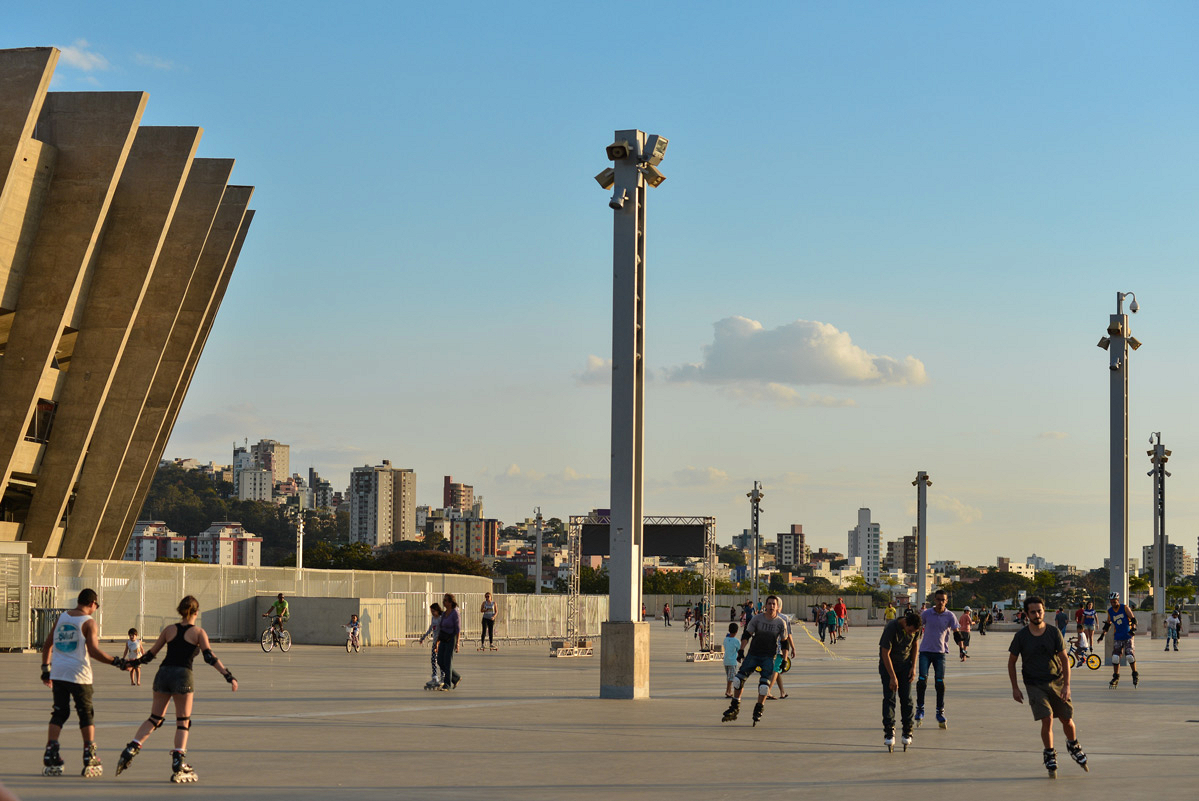
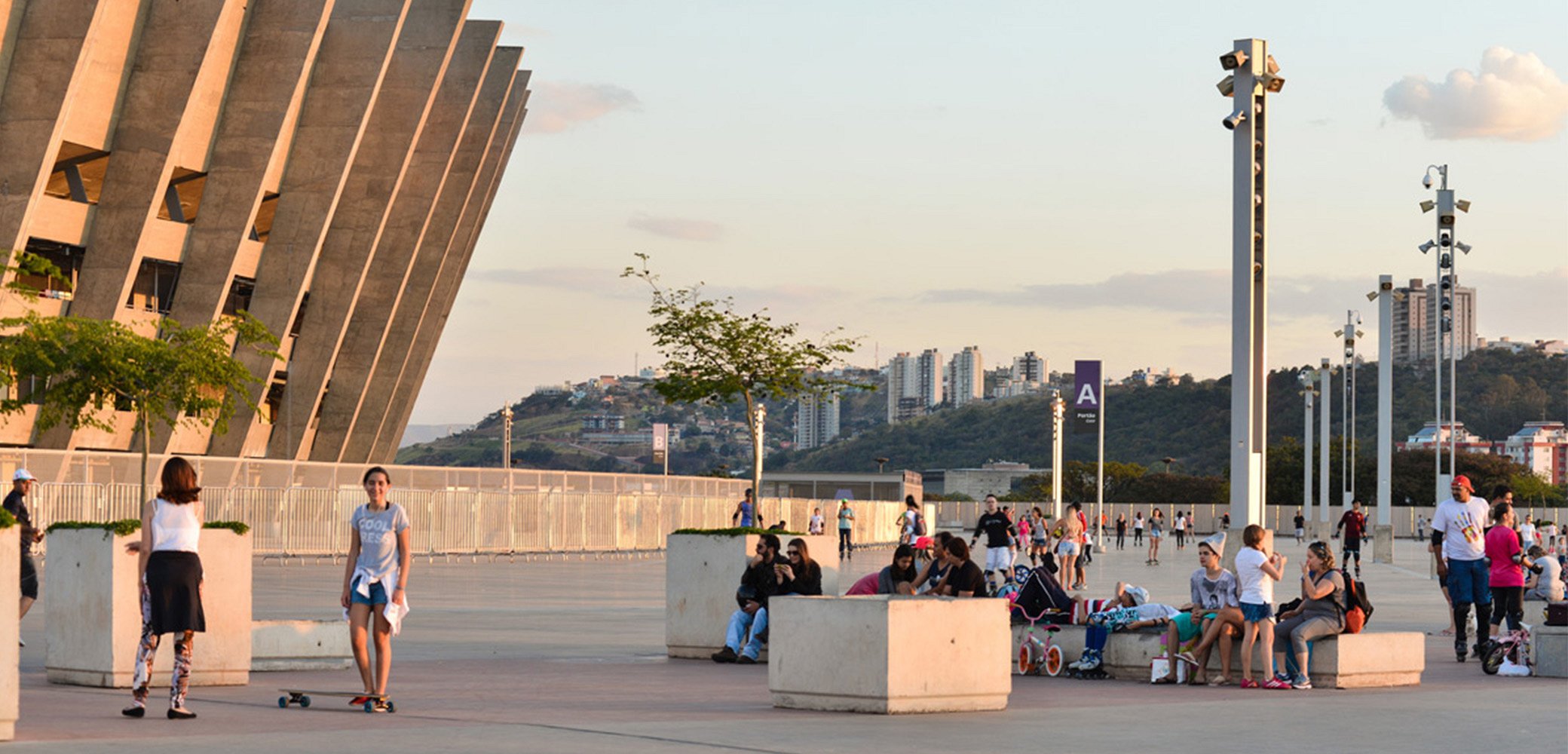
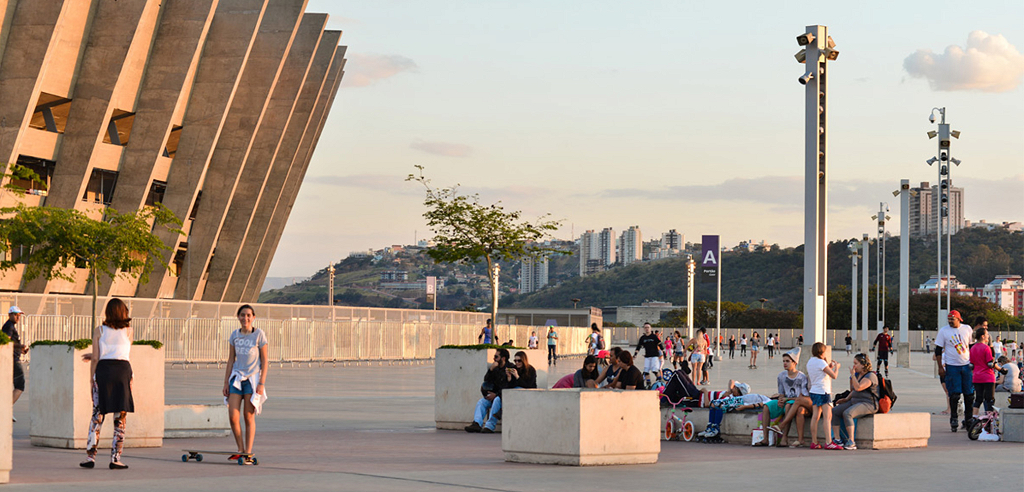
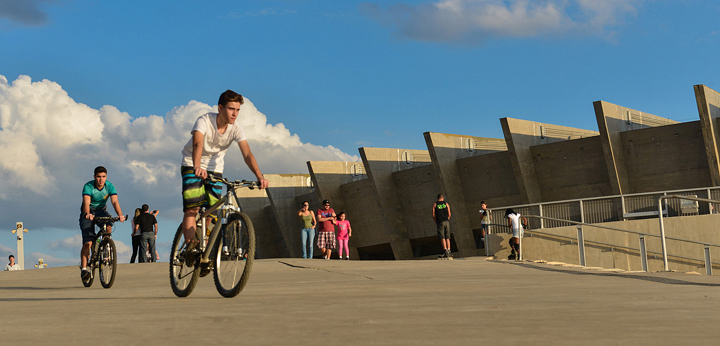
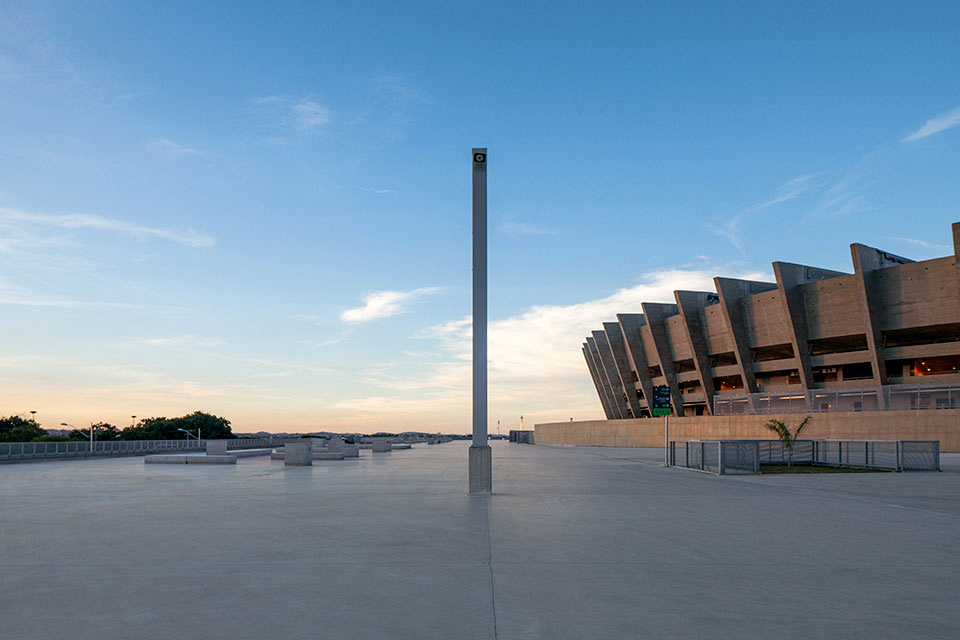
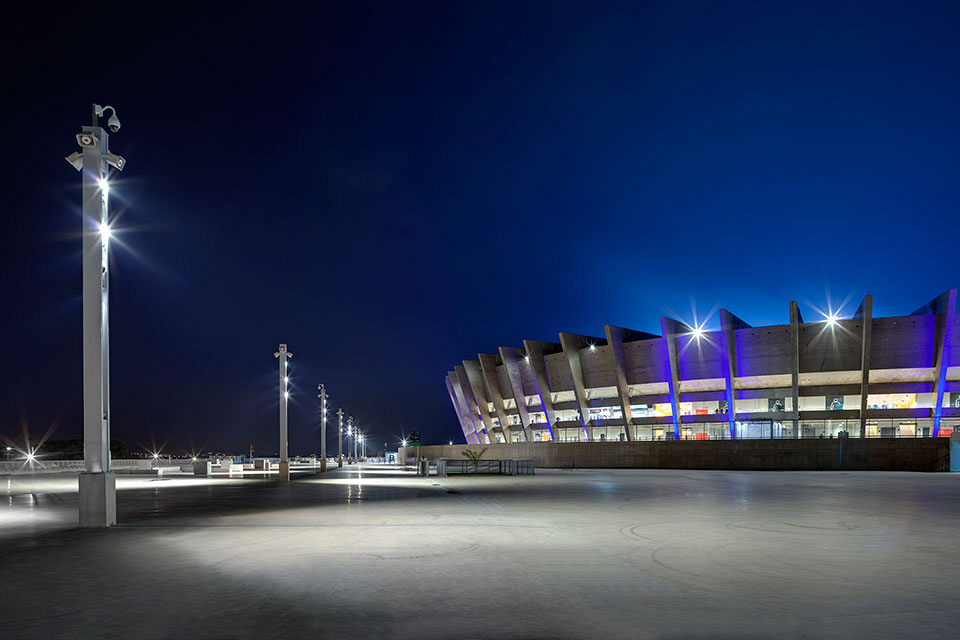
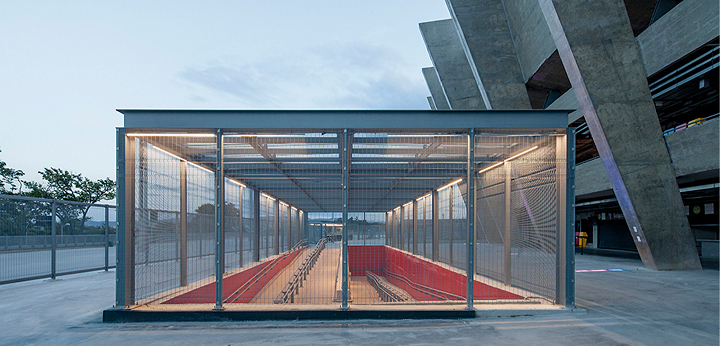
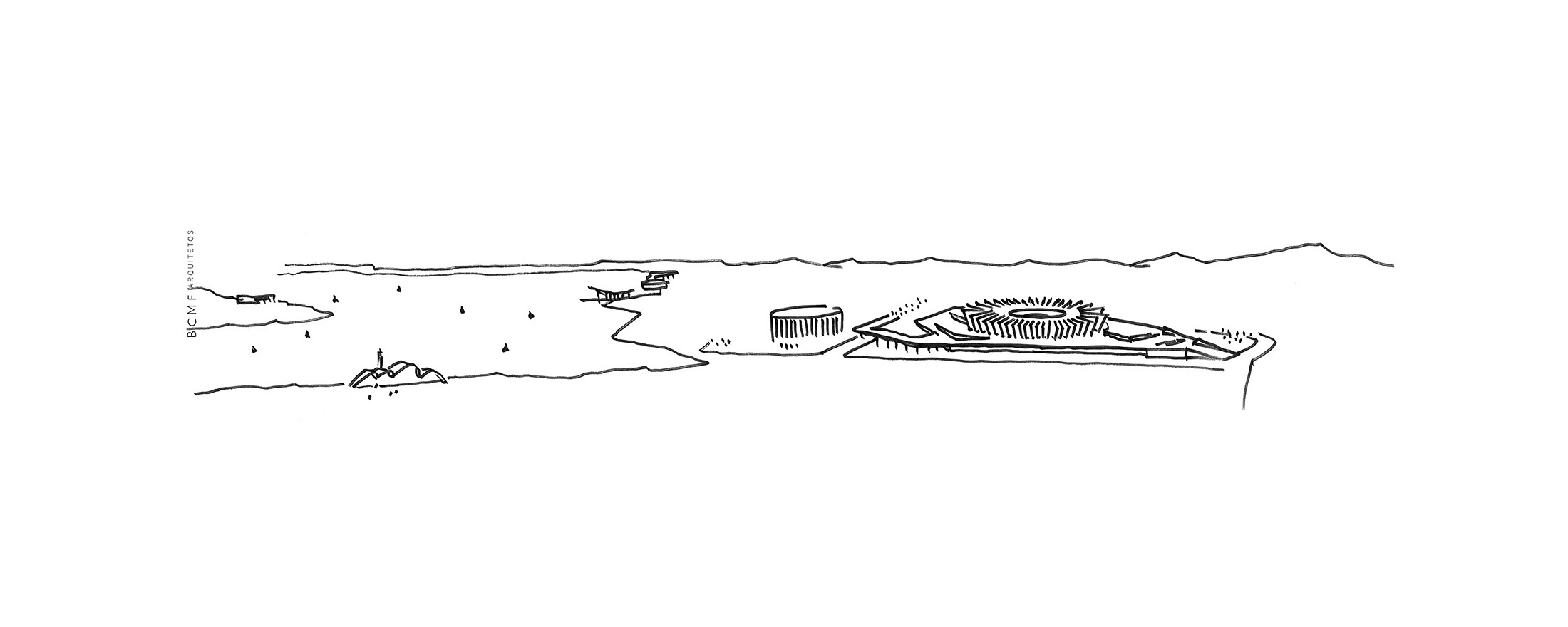
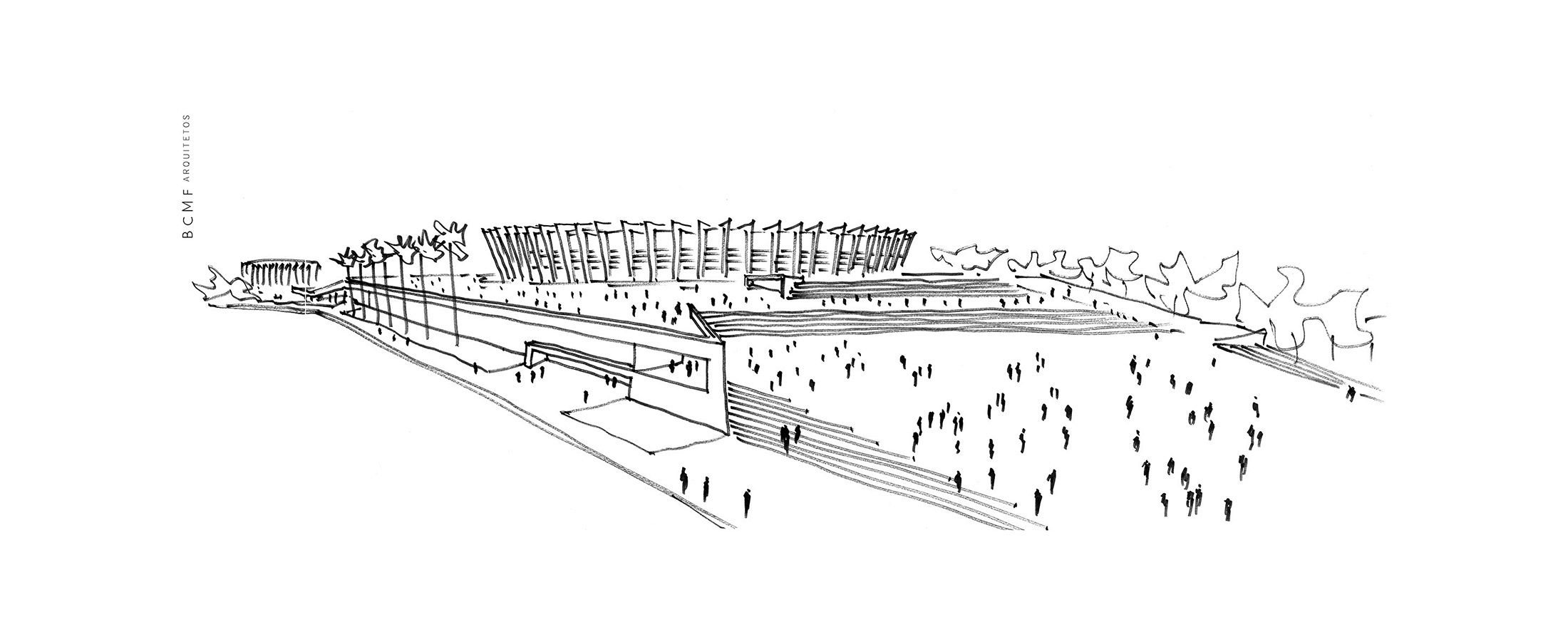
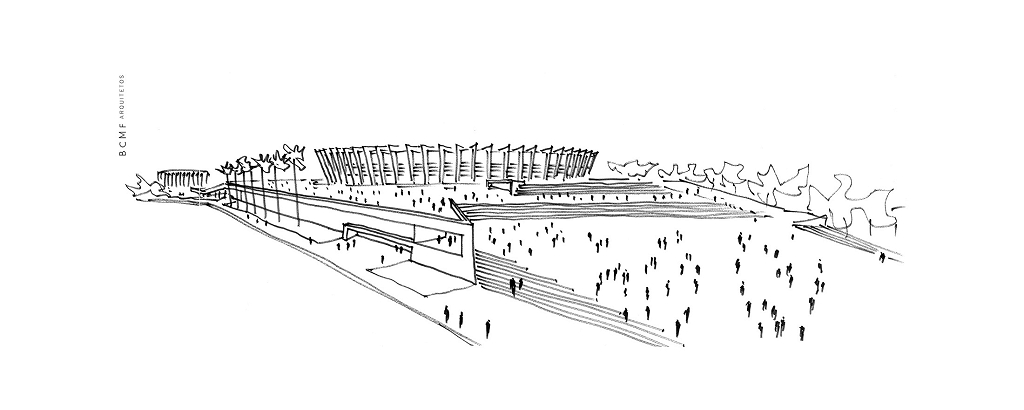
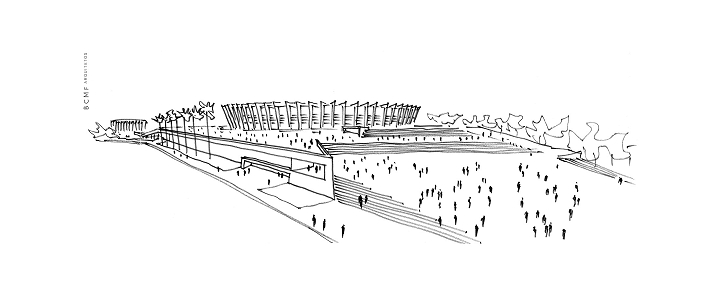
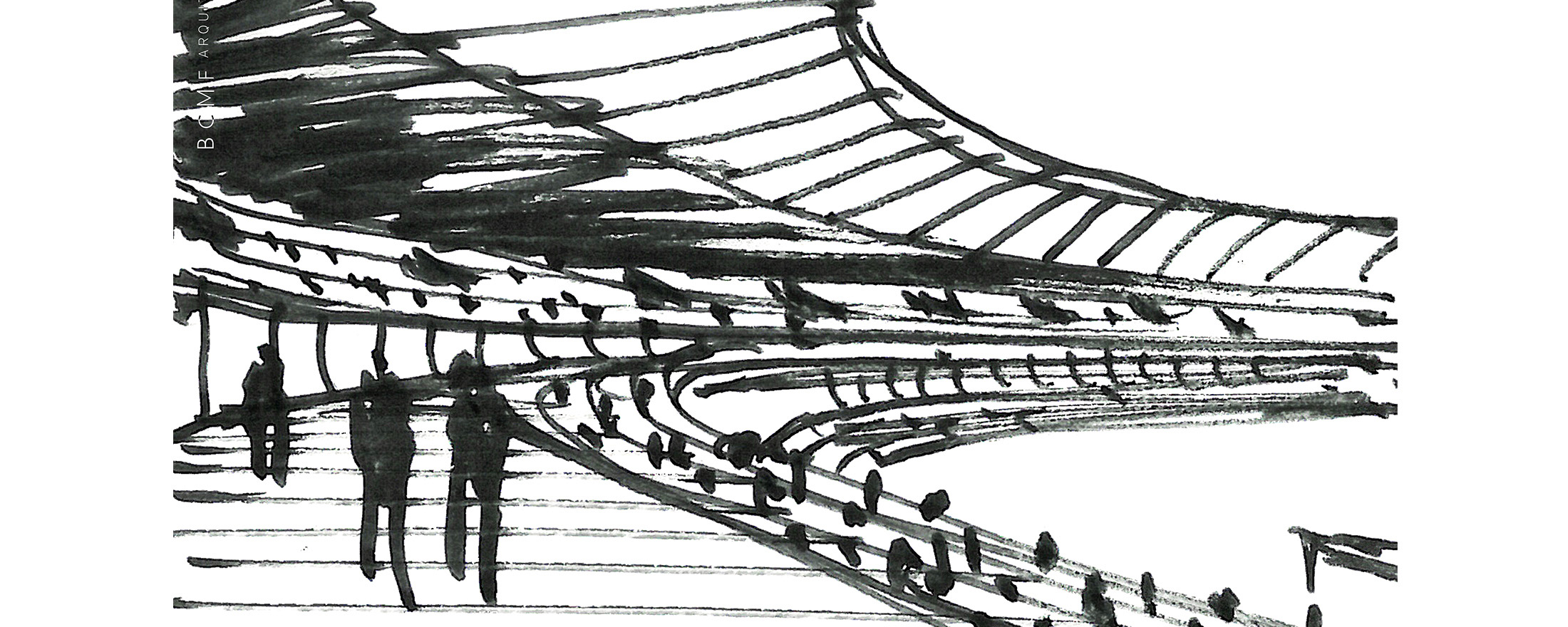
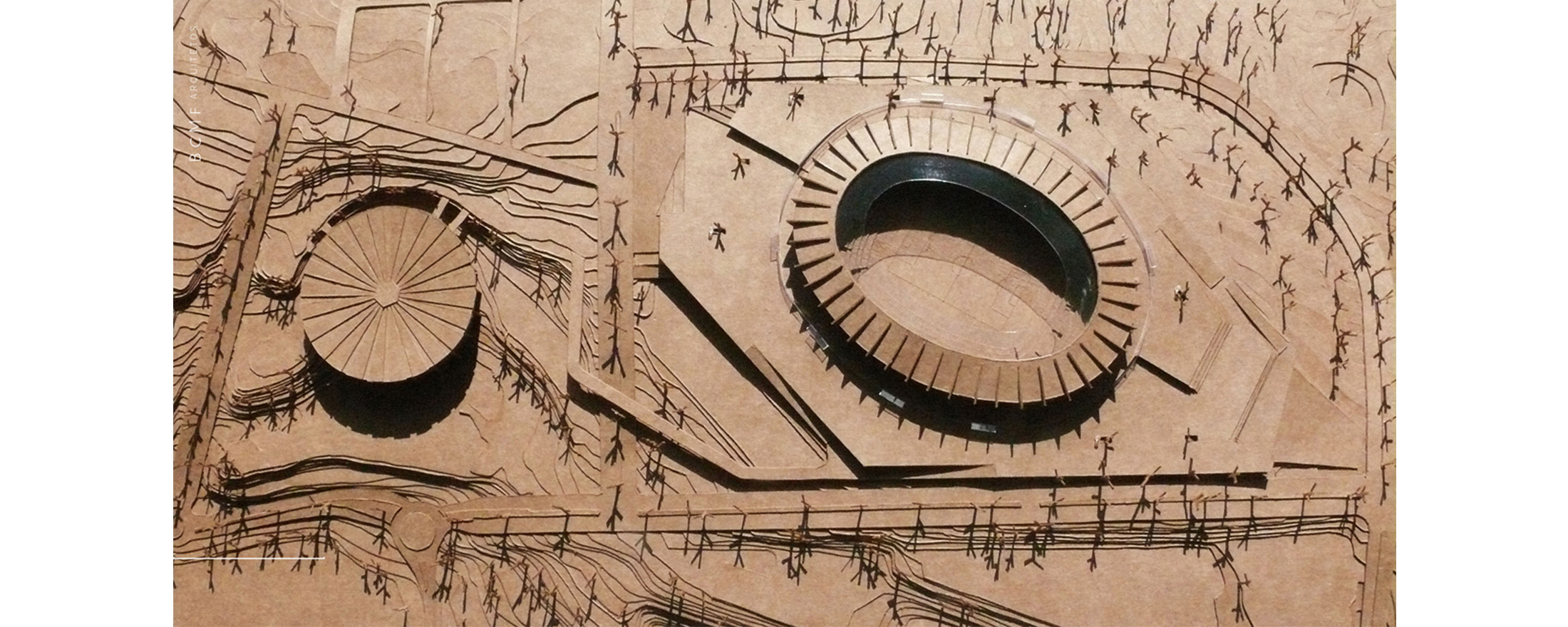
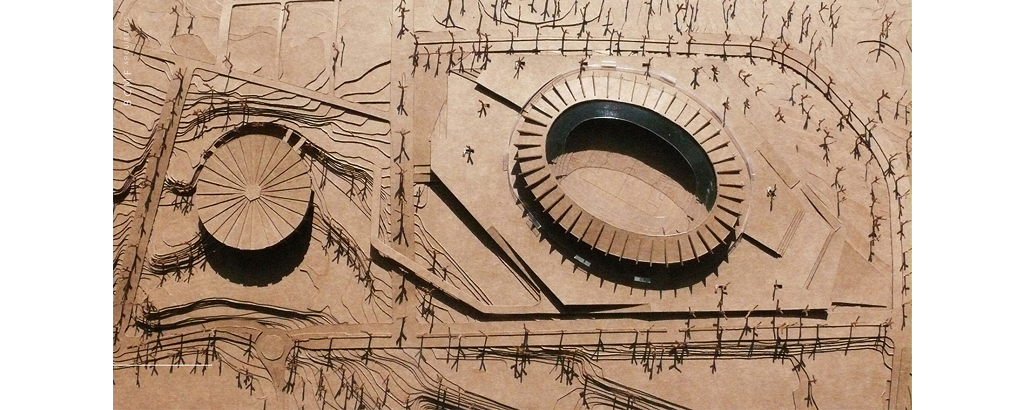
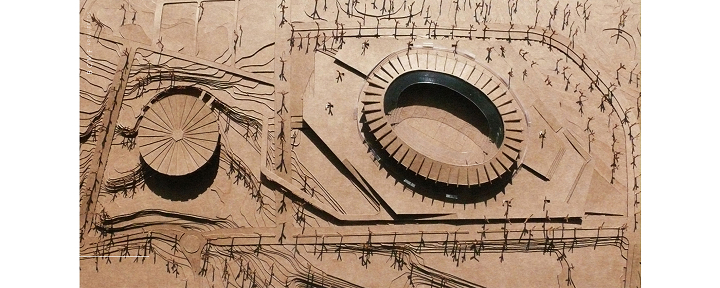
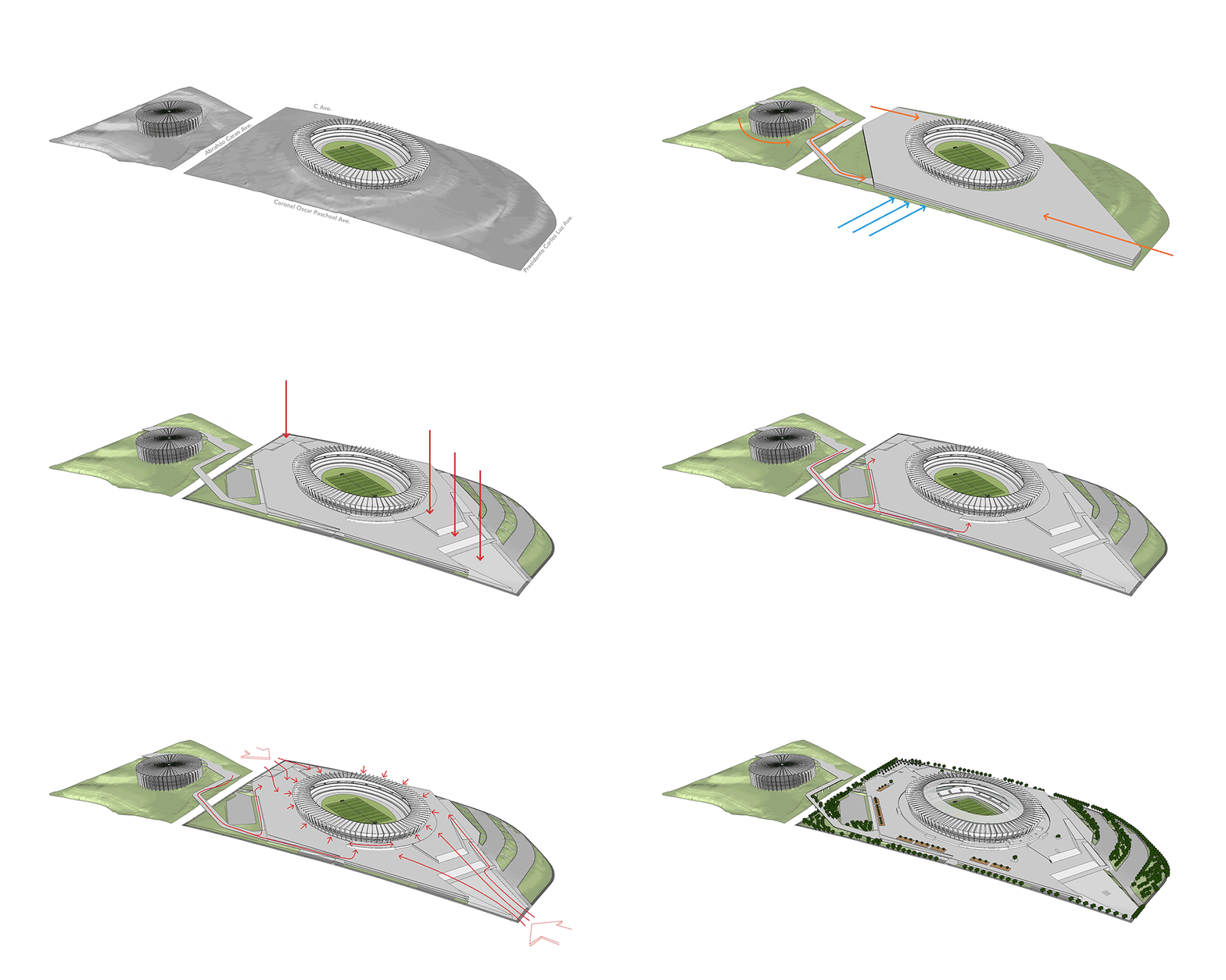
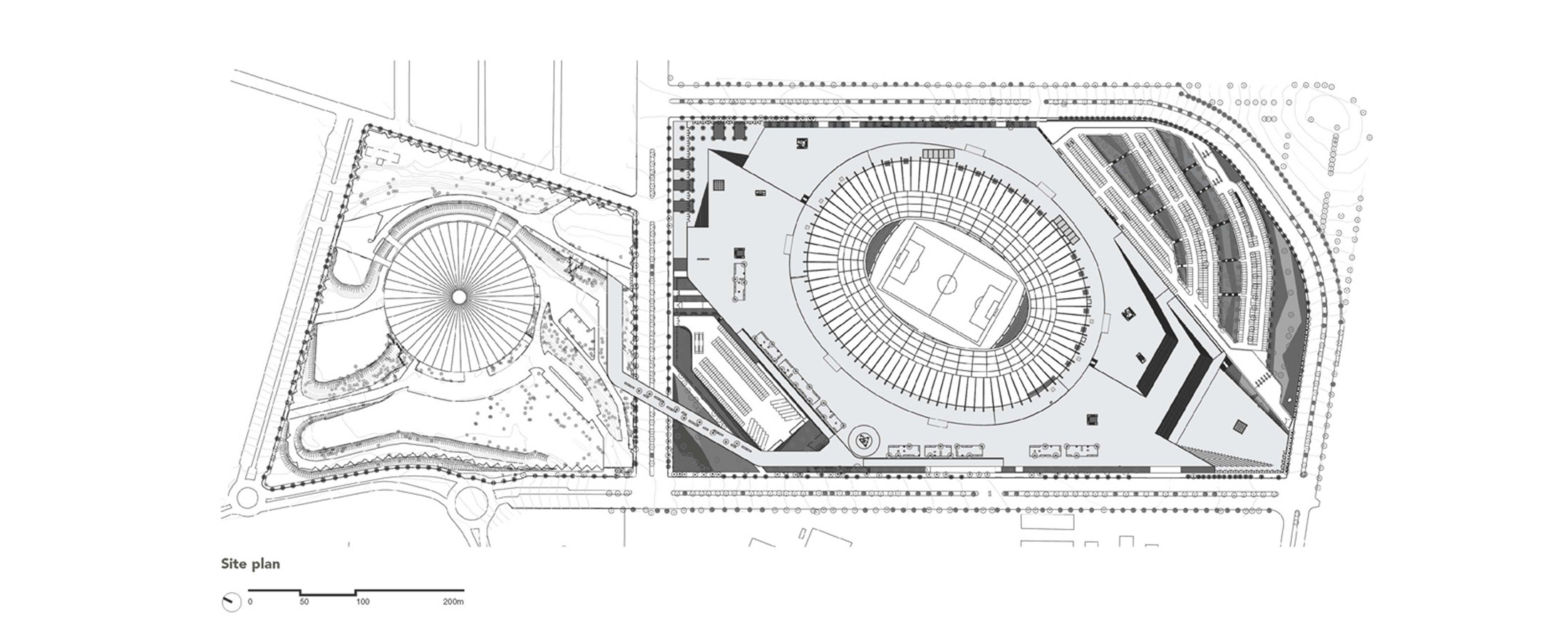
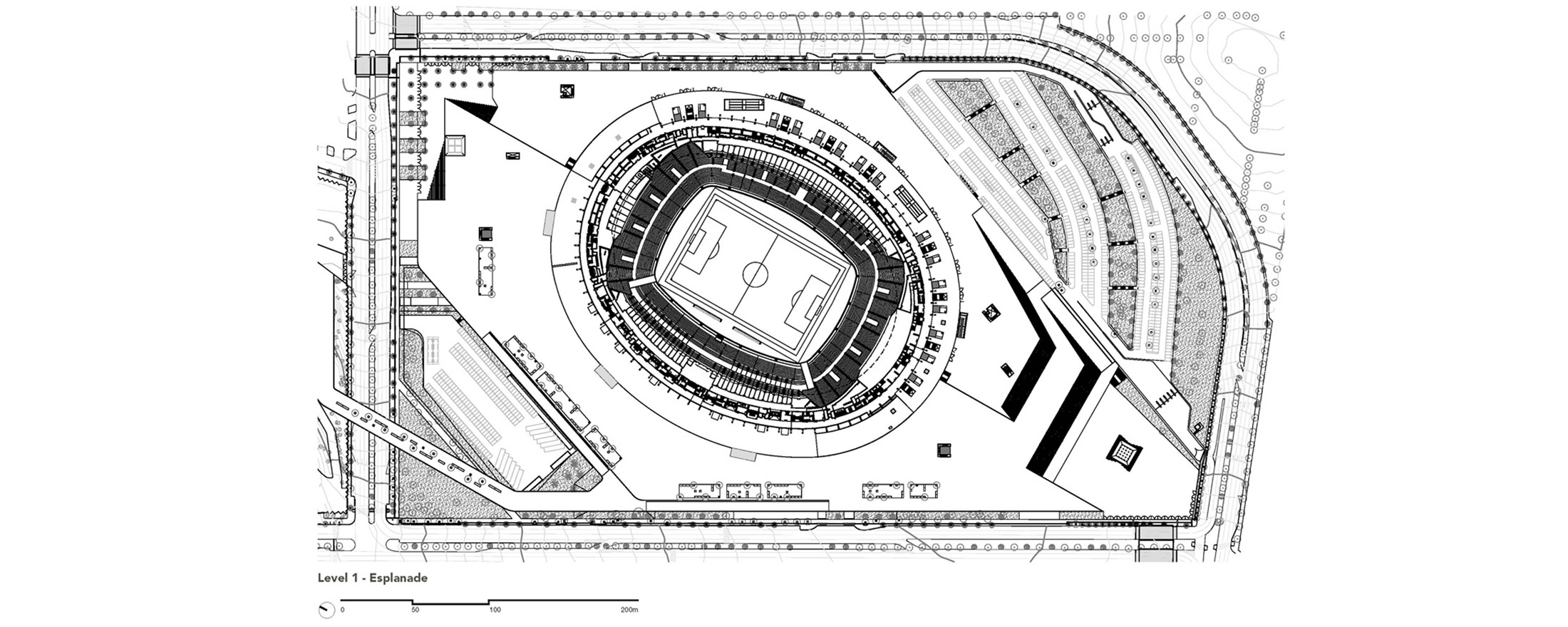
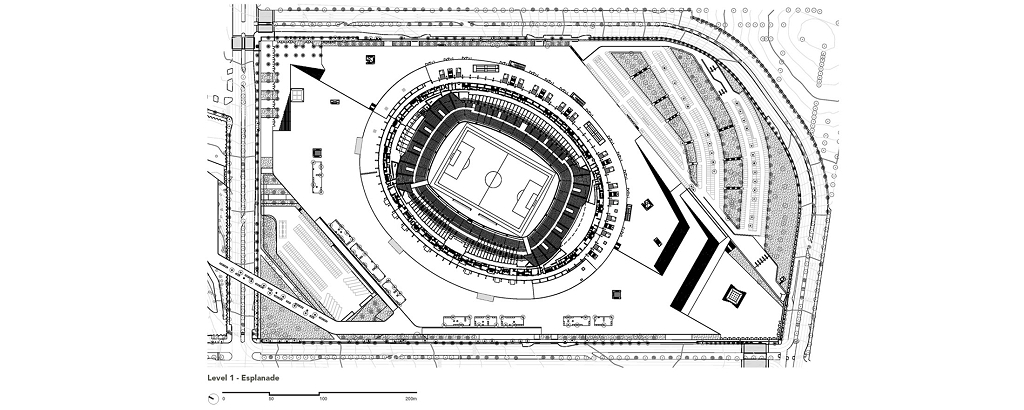
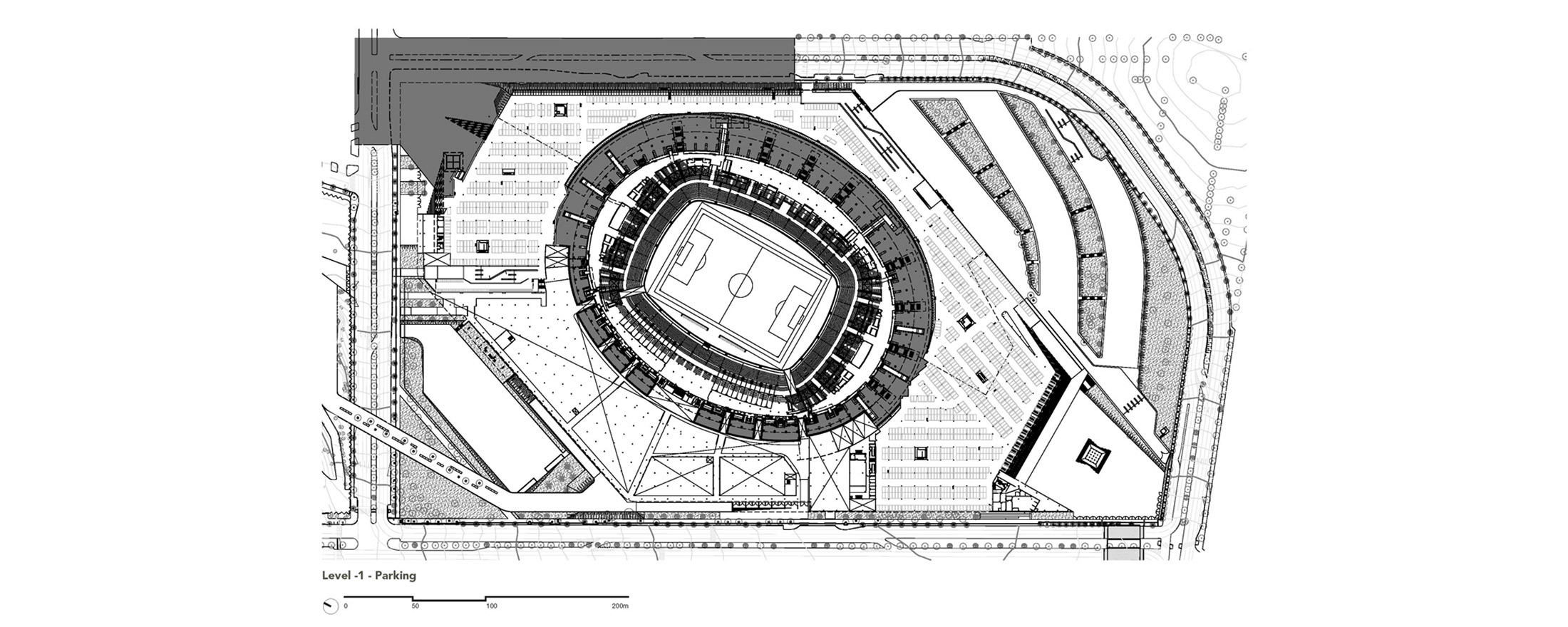
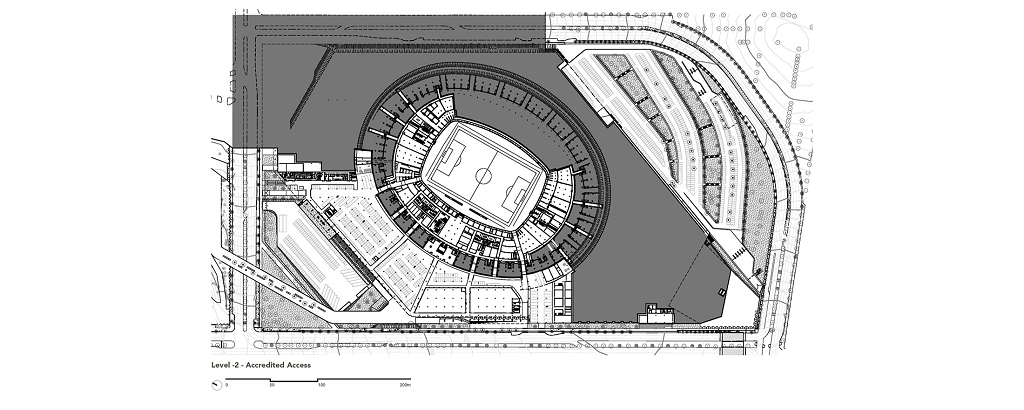
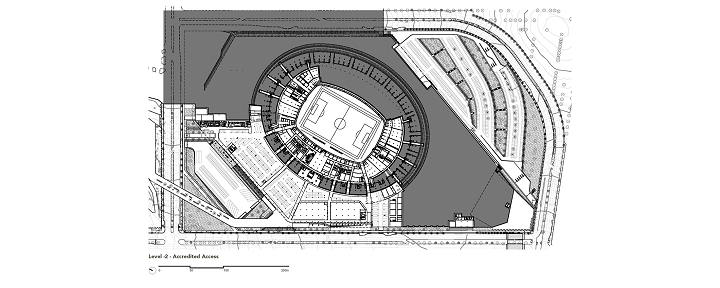
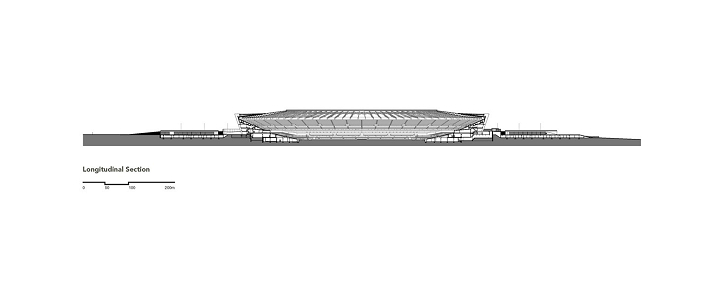
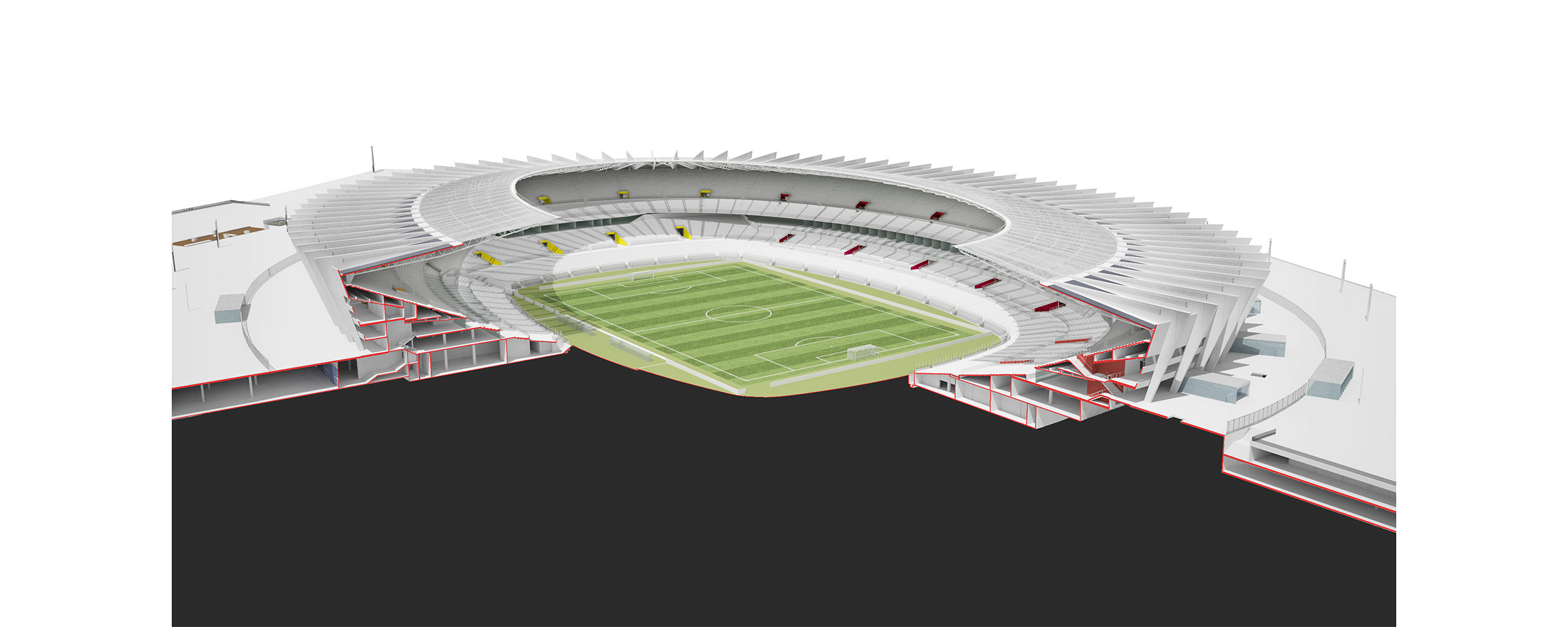
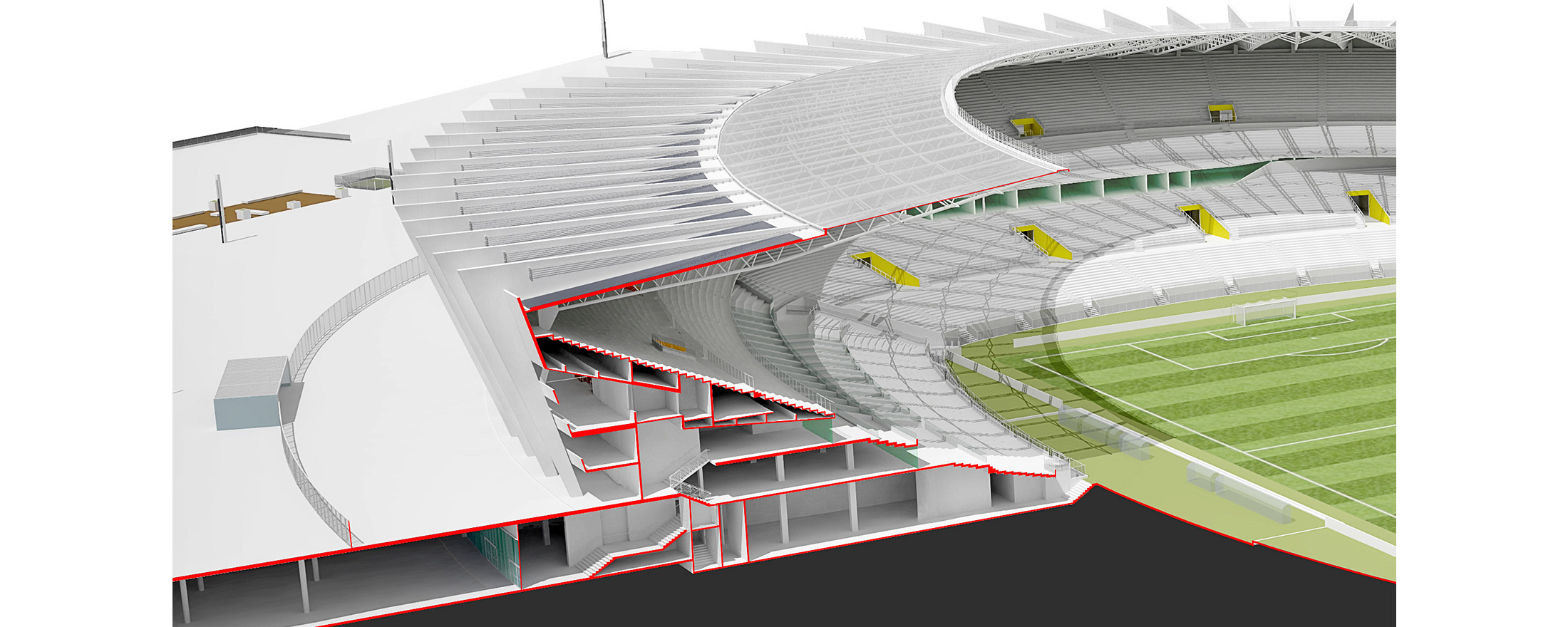
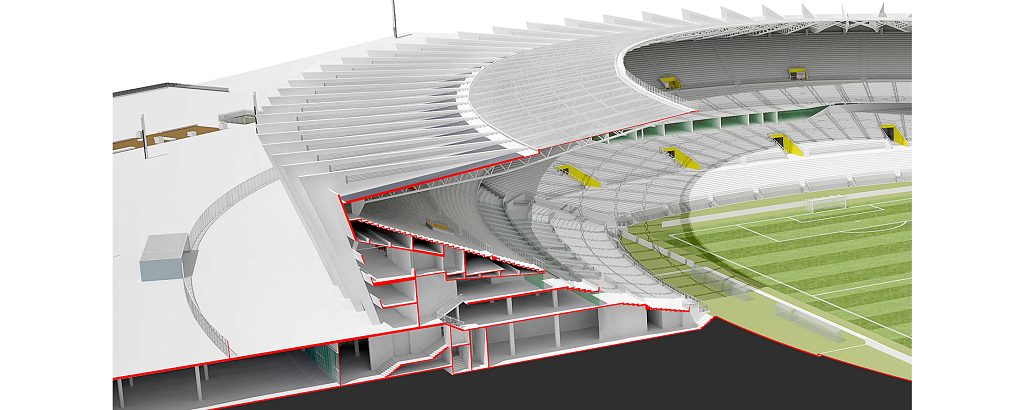
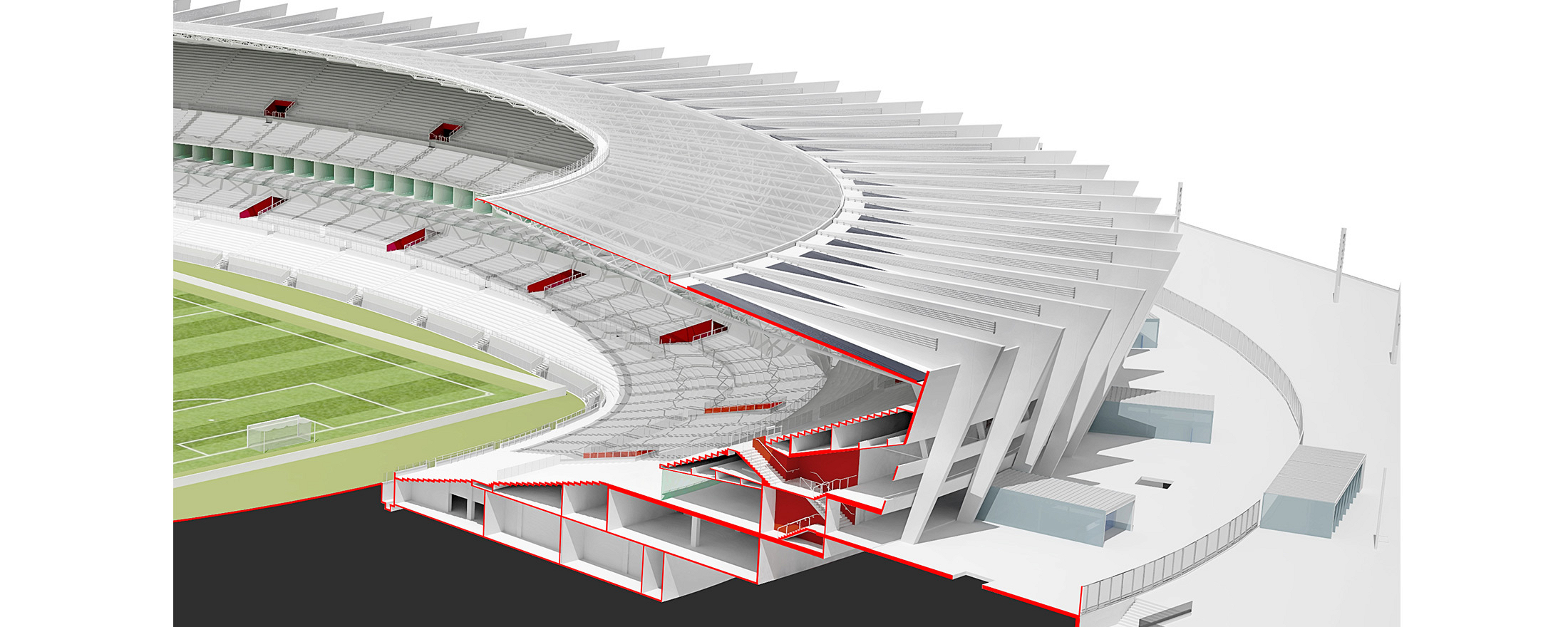
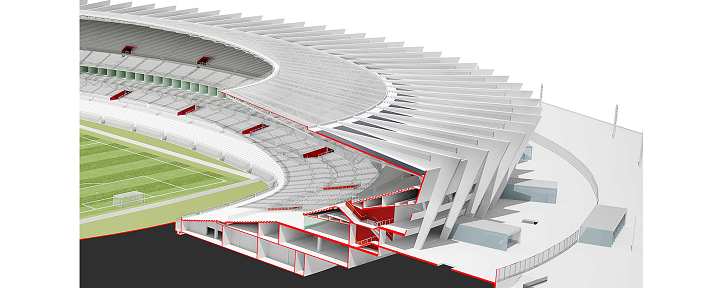
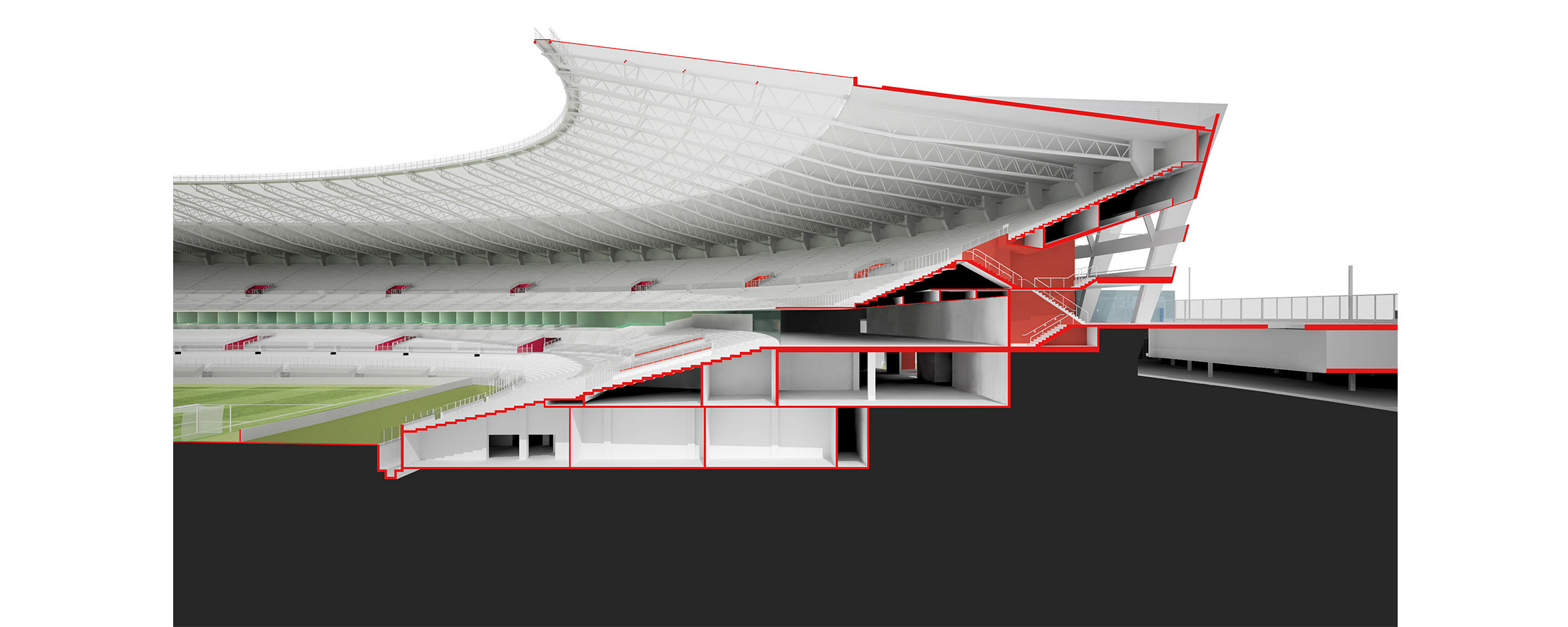
At the Mineirão, the addition of new program could only take the form of a podium, since the stadium is not only an existing structure but also heritage-protected. BCMF’s key innovation was to articulate this platform with both the city and the stadium. By subverting the conventional podium solution, typically associated with a purely horizontal building, the platform was instead sculpted into the terrain, adapting to it and organizing itself into a series of stepped, semi-public plazas.
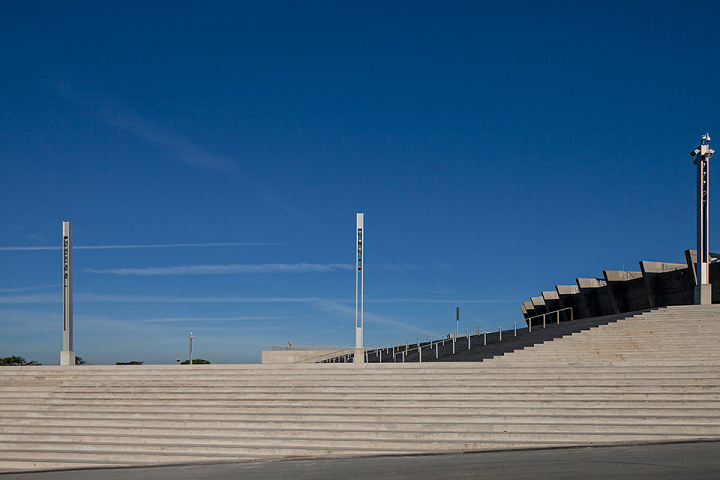
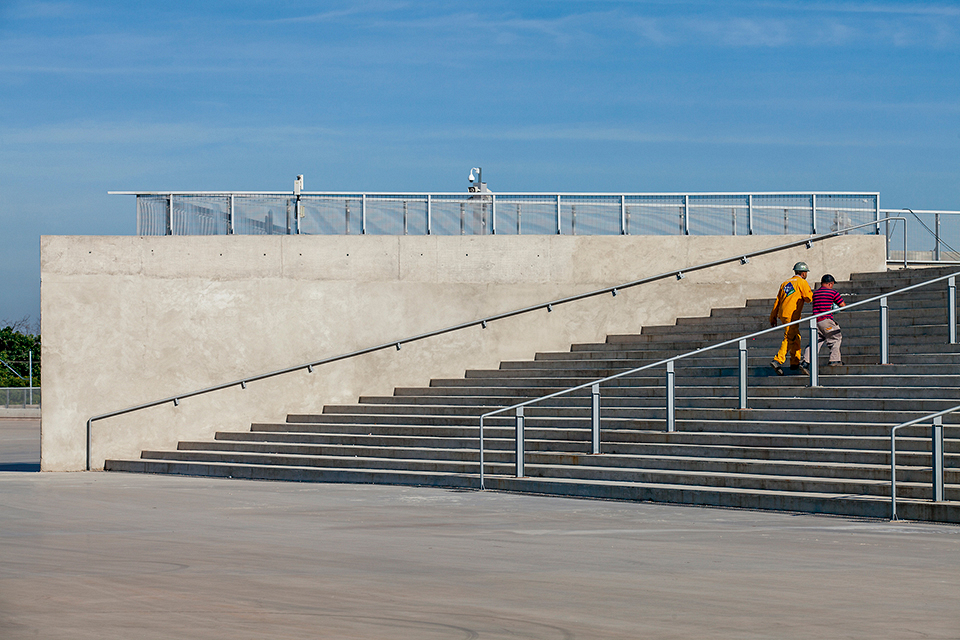
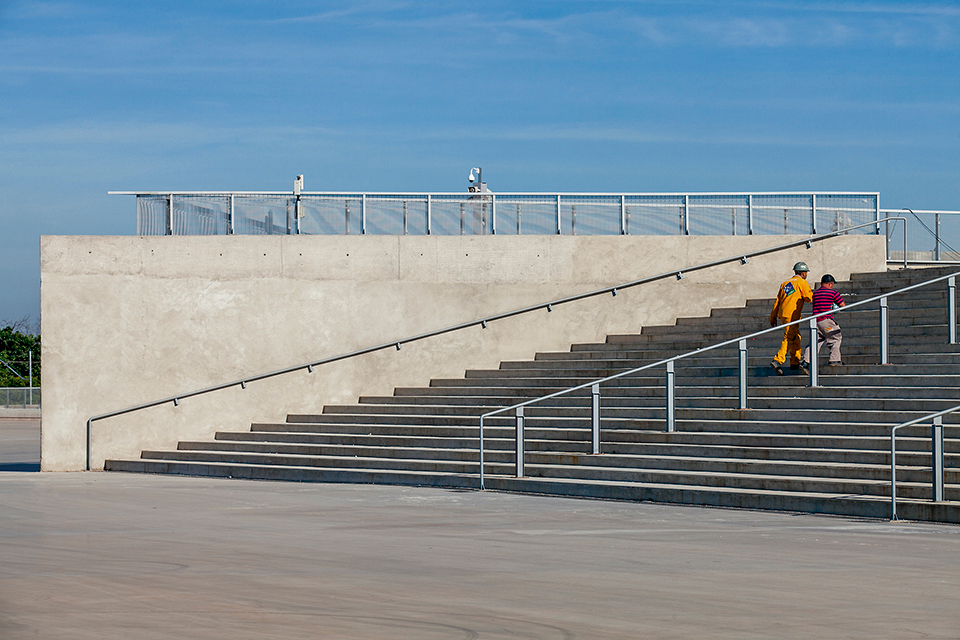
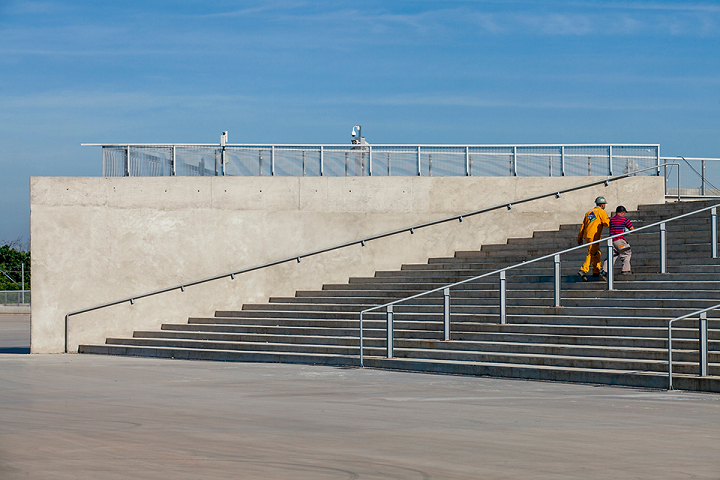
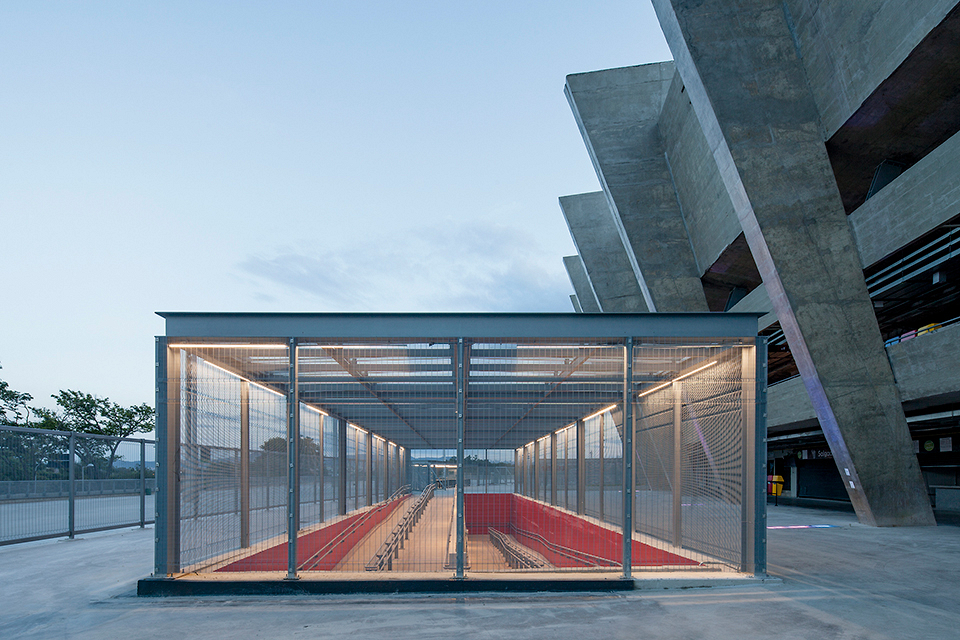
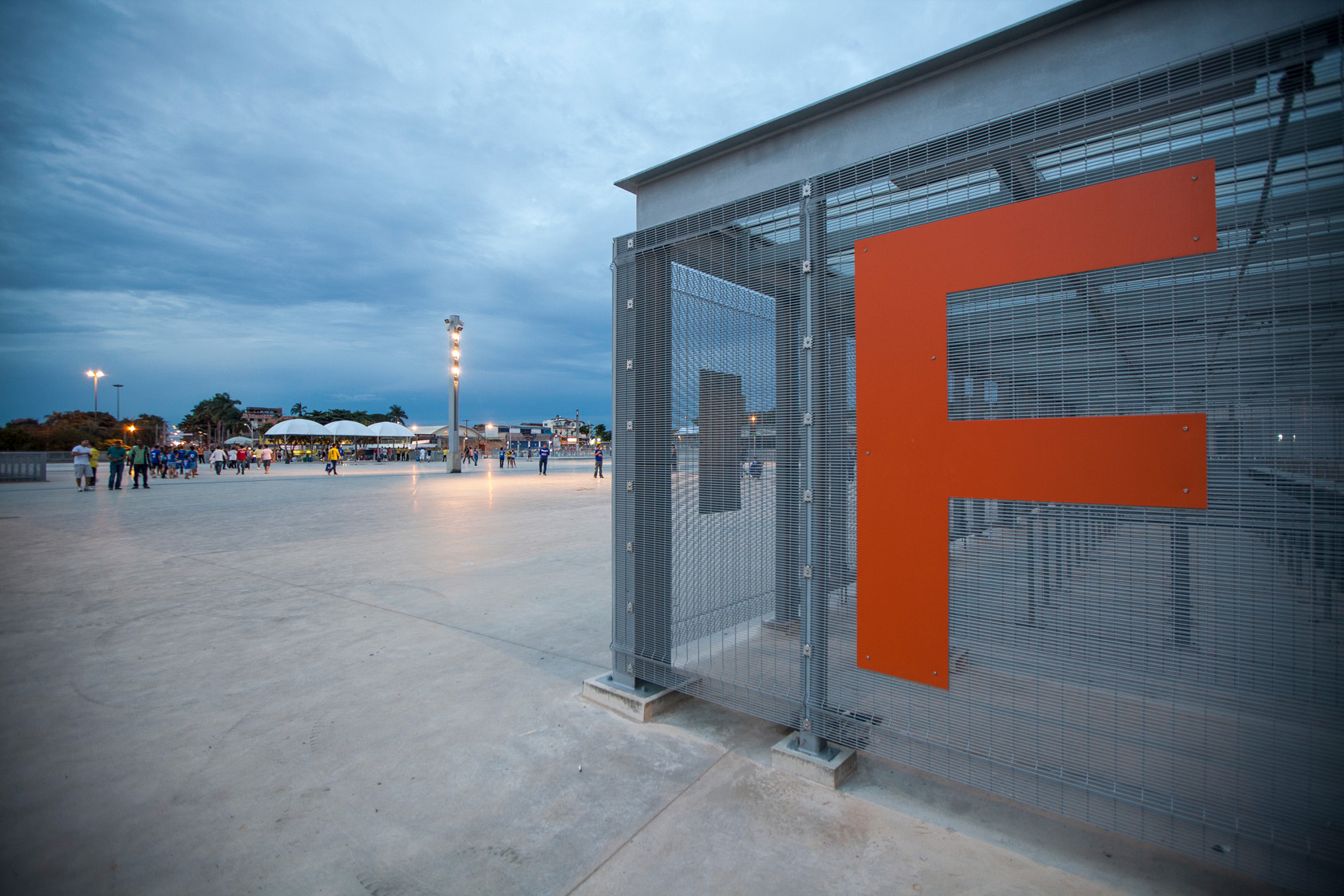
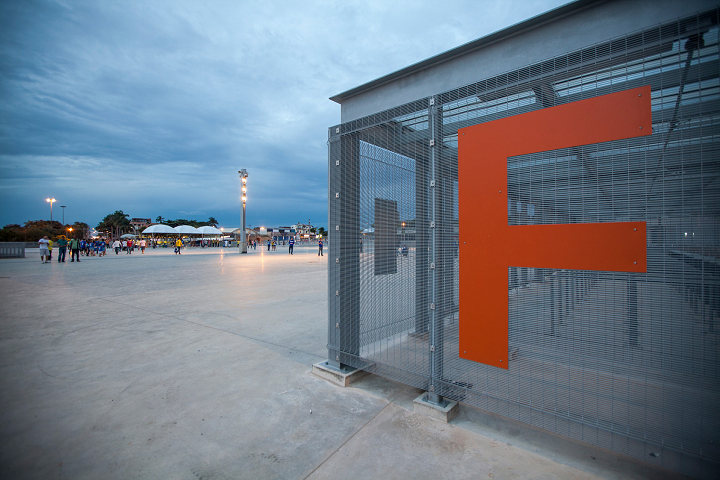
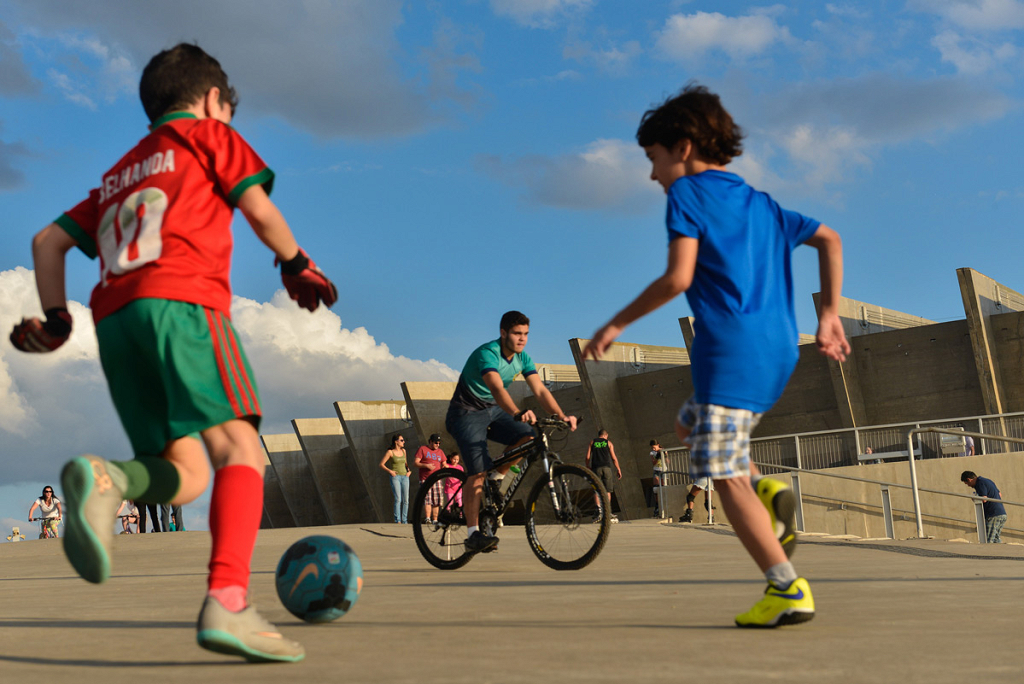
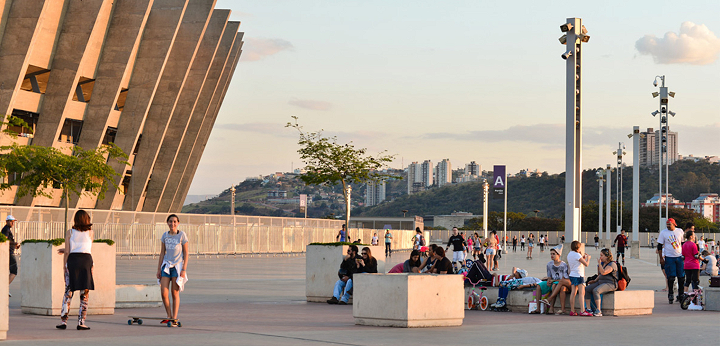
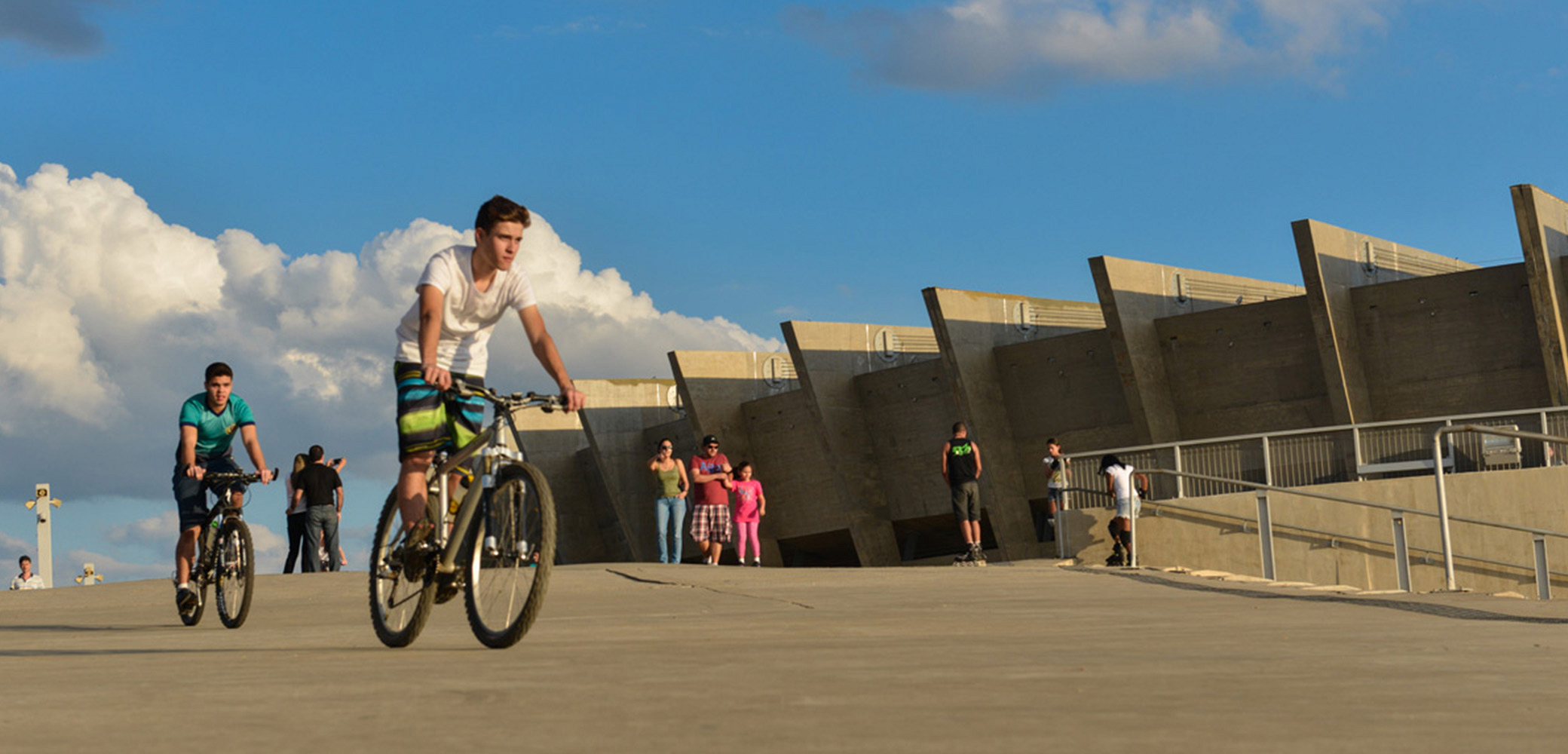
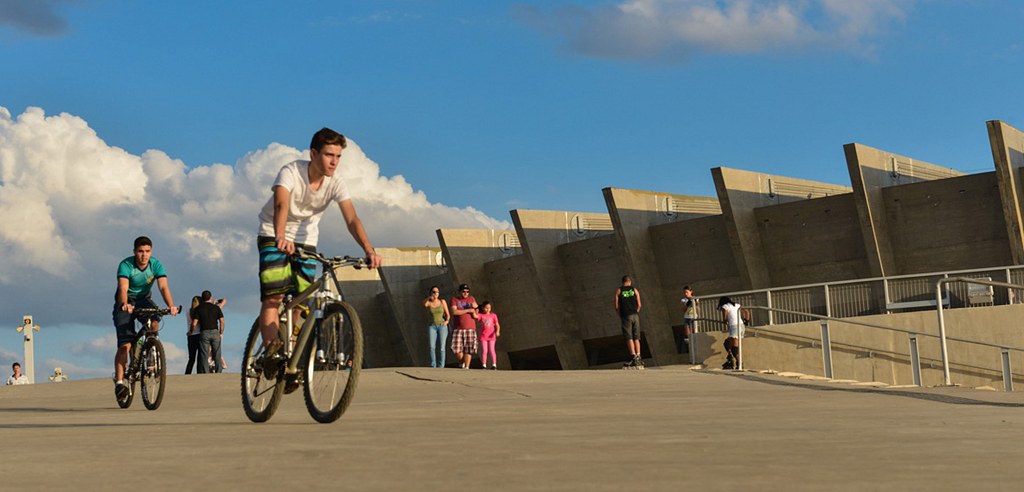
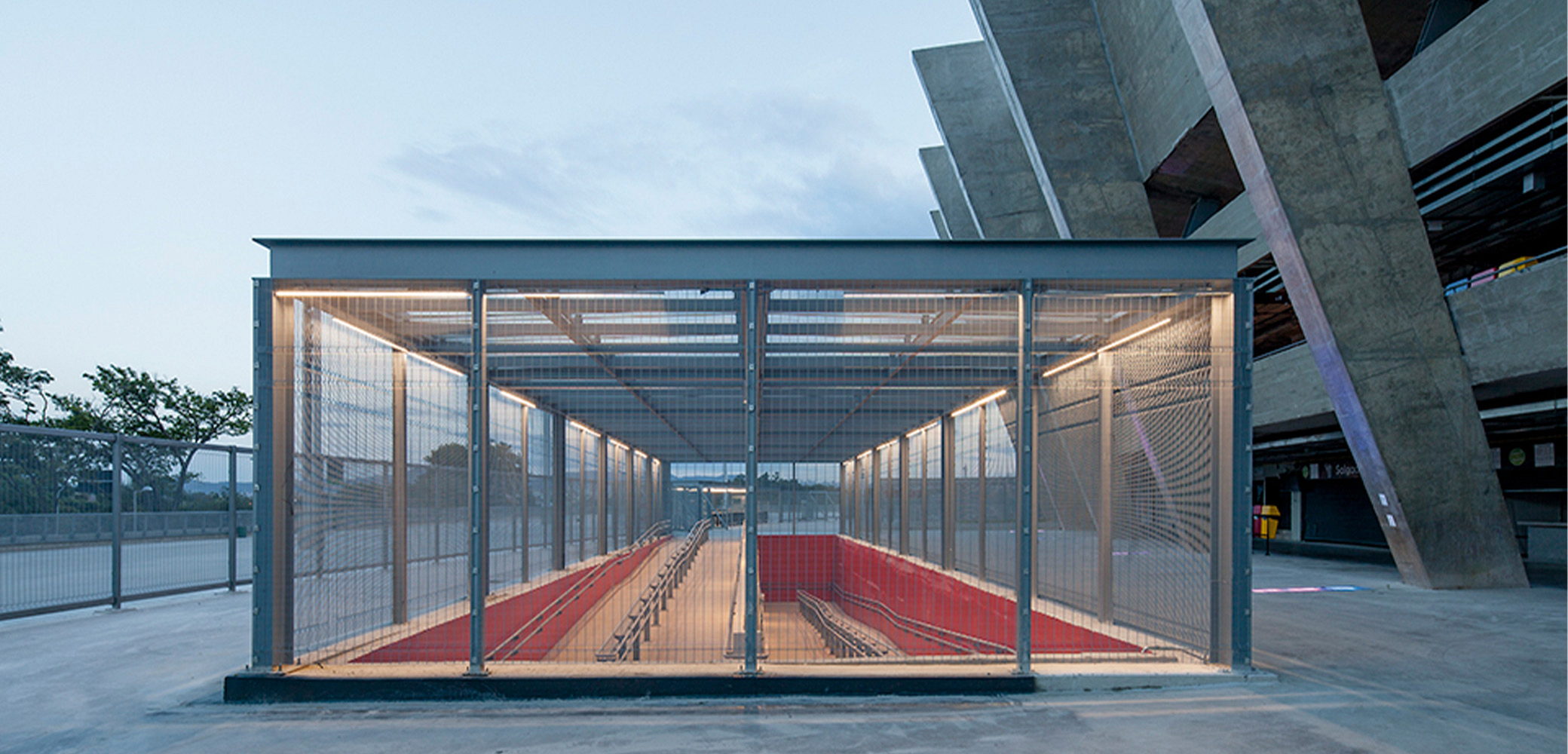
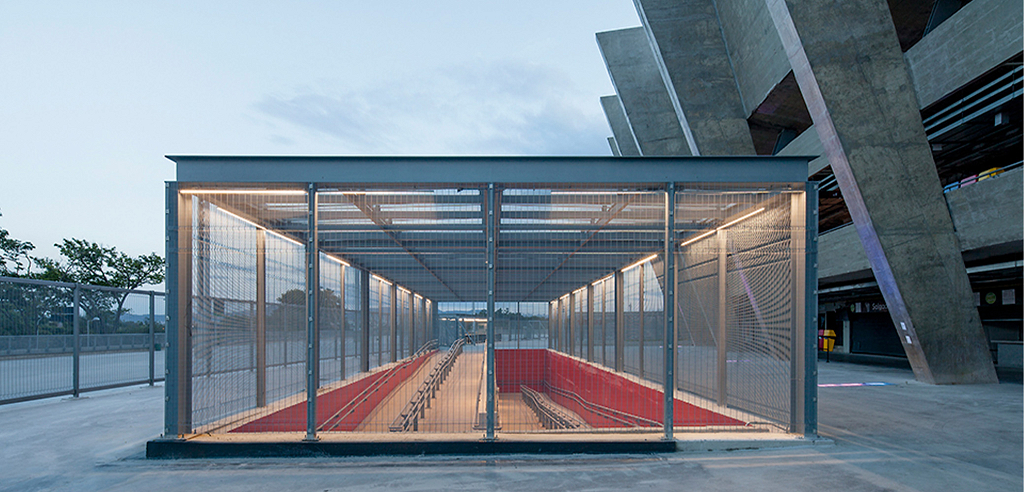
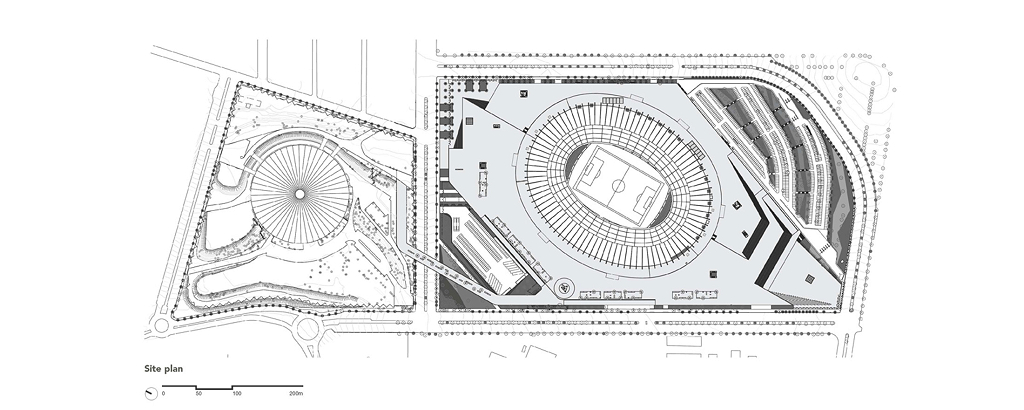
These plazas are level with the surrounding context and perceived as a continuation of the city’s ground plane. Gentle ramps and sloped planes, flanking stairways with grandstand-like proportions, provide universal accessibility to all areas, including the arena. The public’s approach is gradual, punctuated by numerous spaces for rest and gathering. From one of these plazas, a connection was created to the Mineirinho Gymnasium, spanning the existing road system.
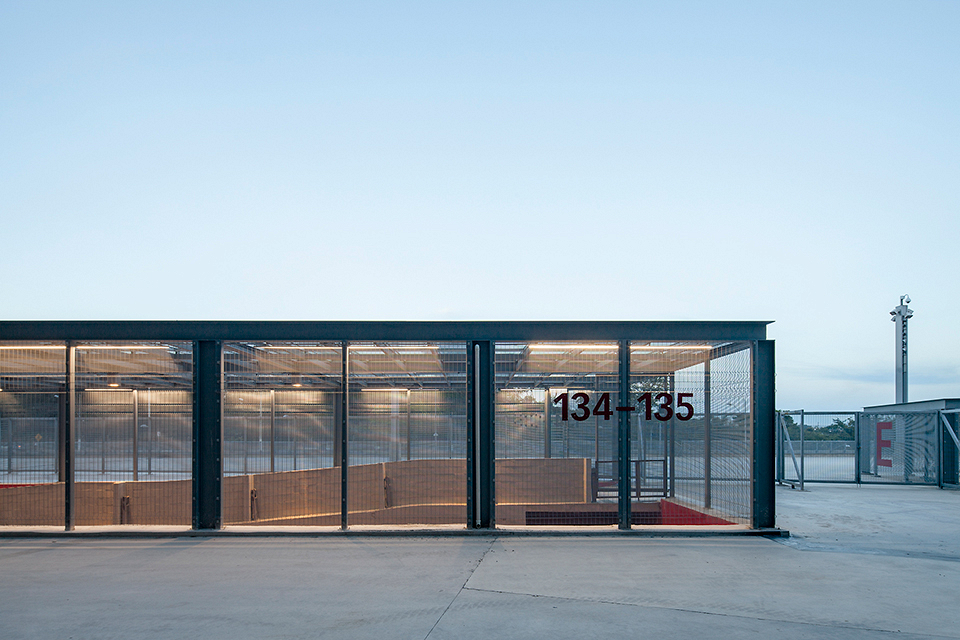
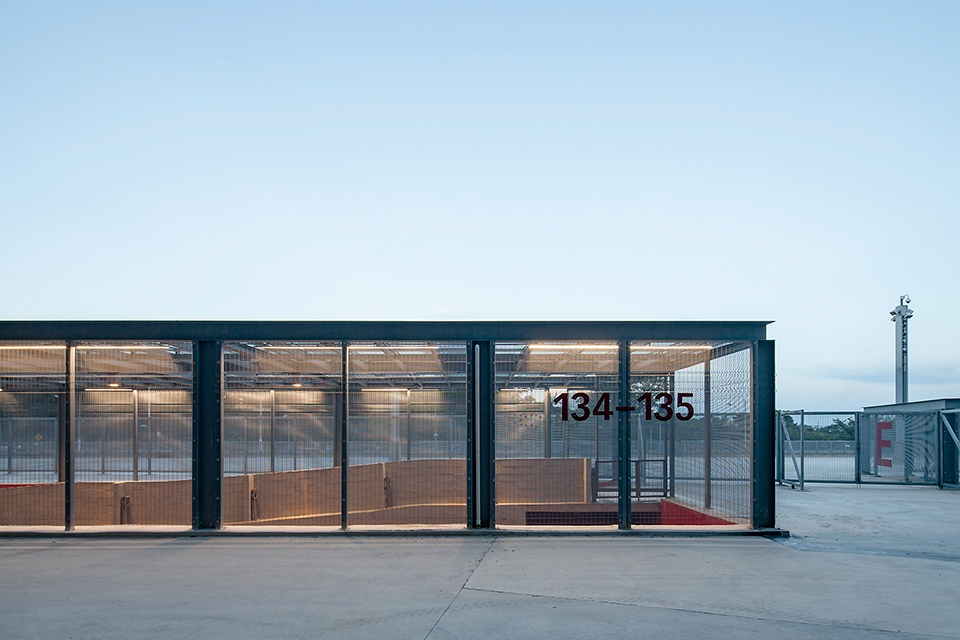
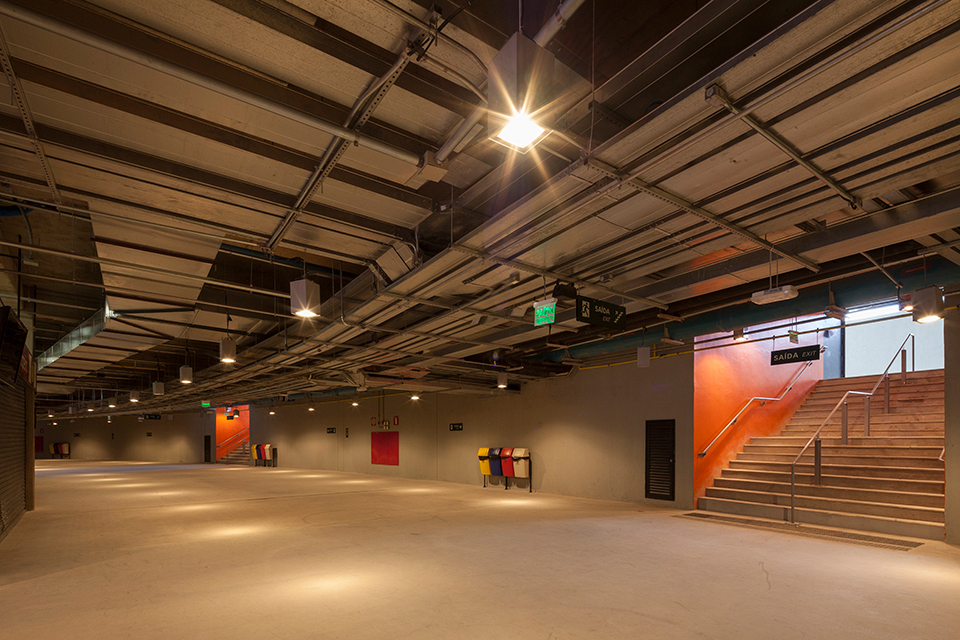
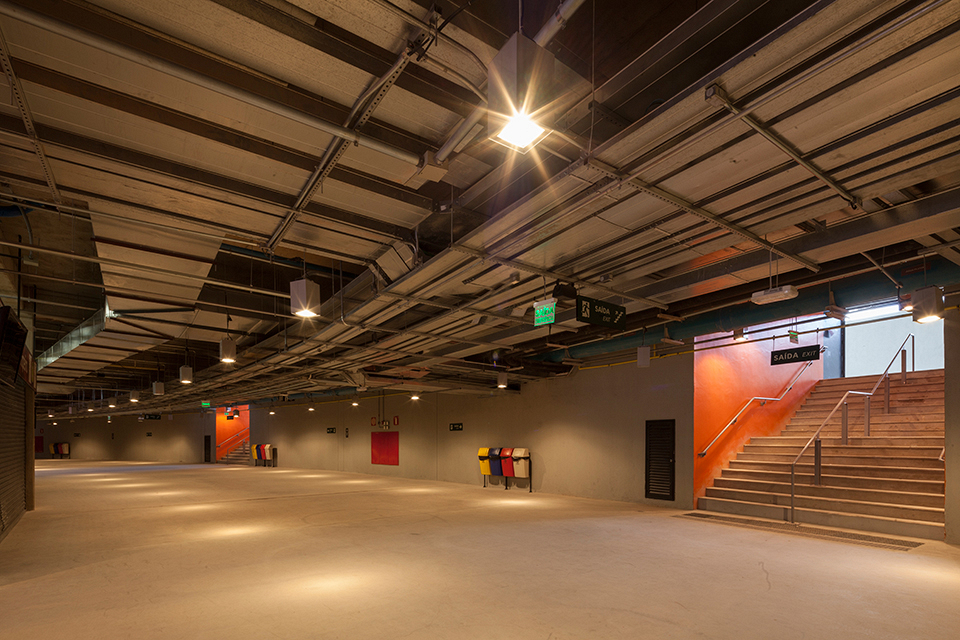
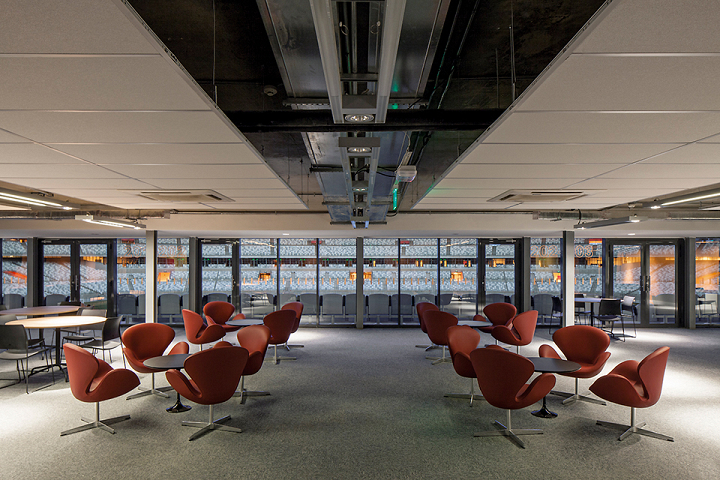
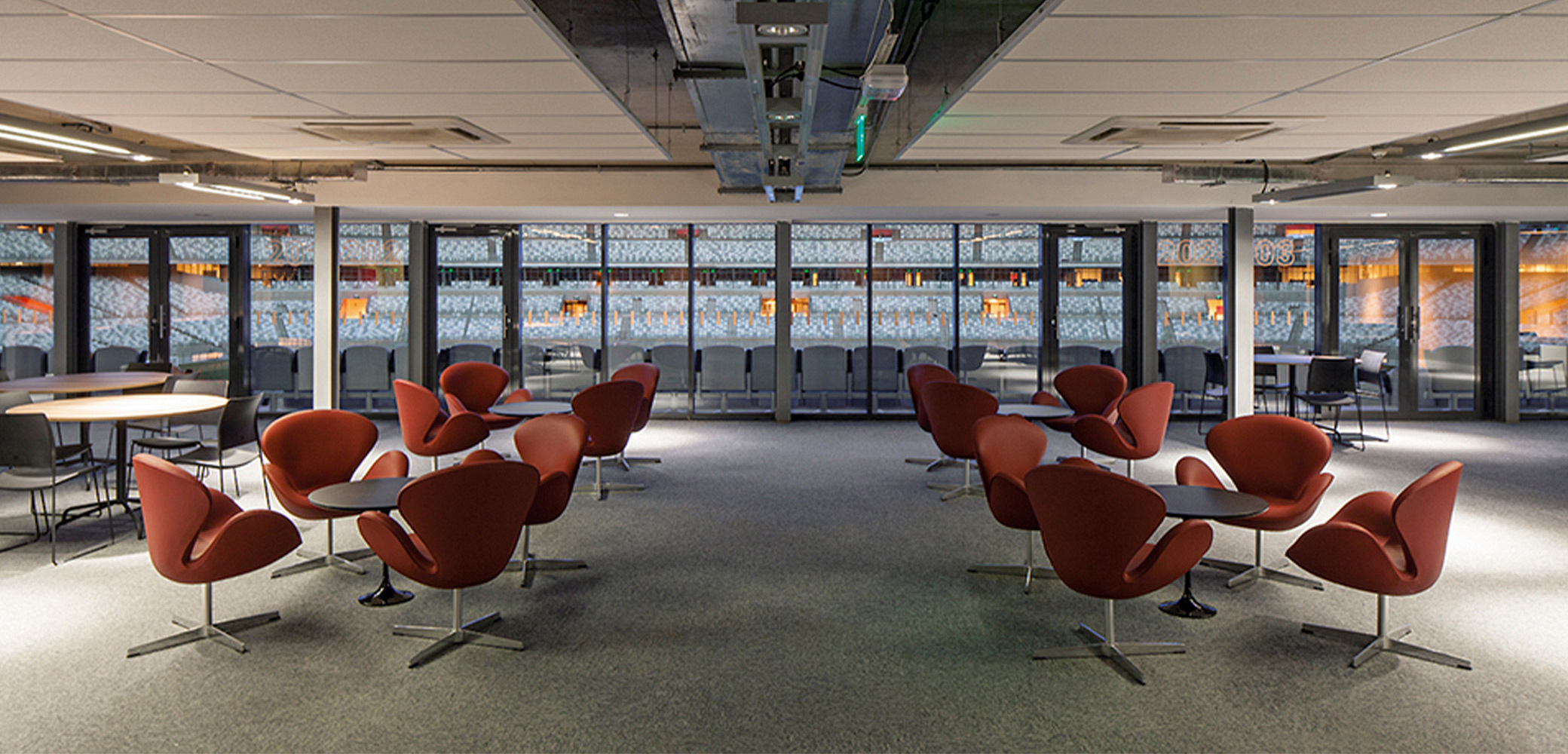
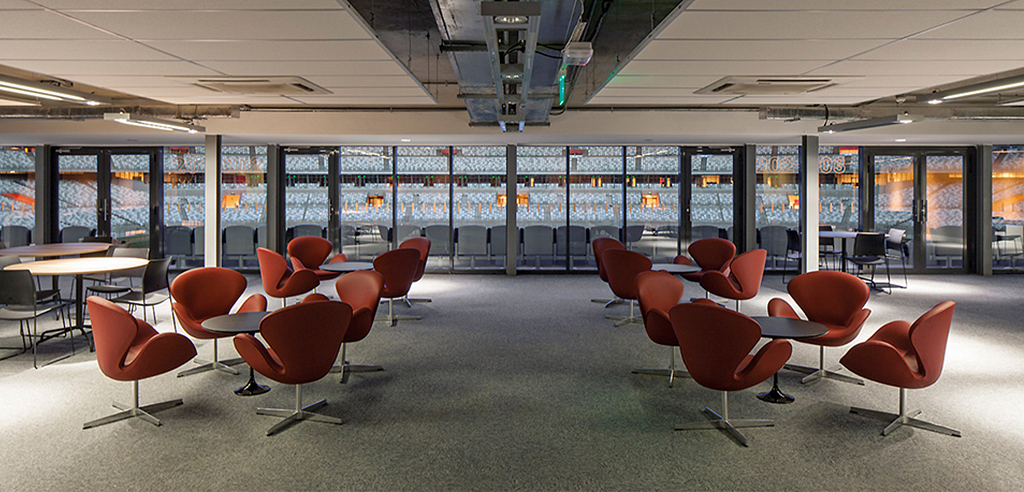
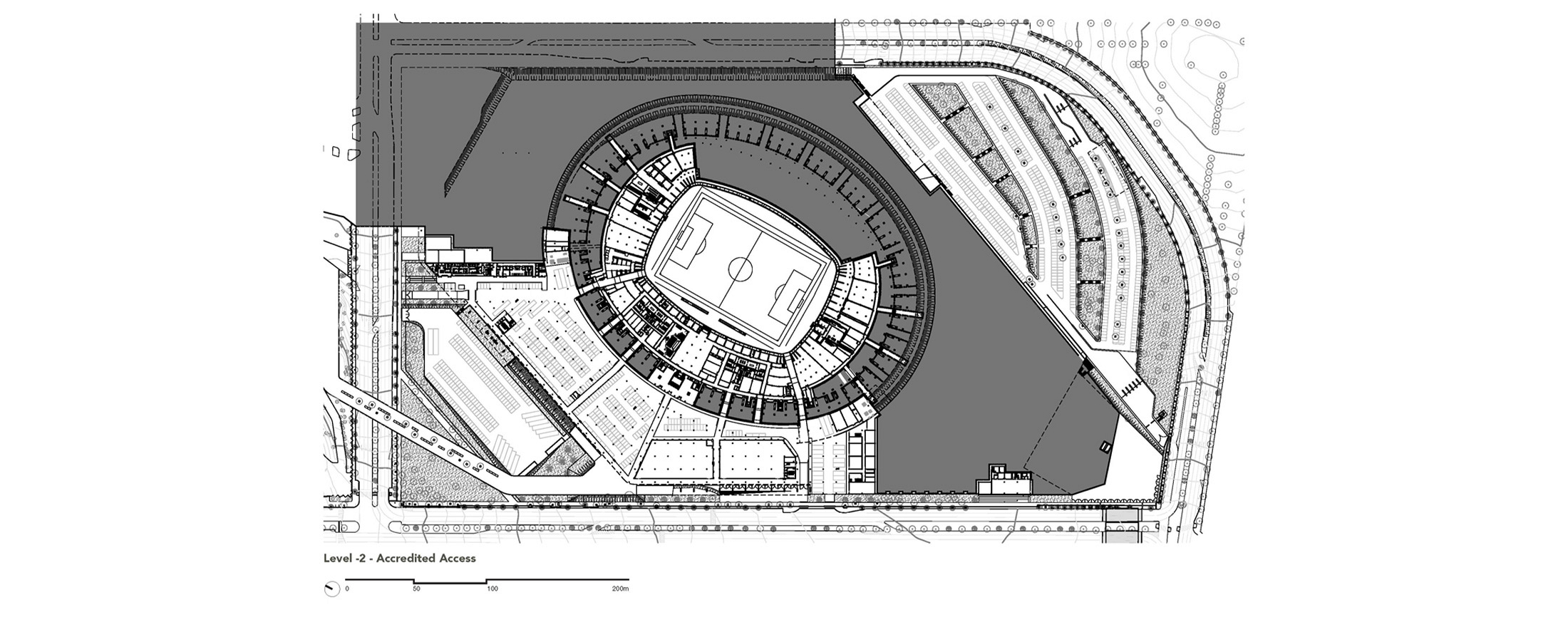
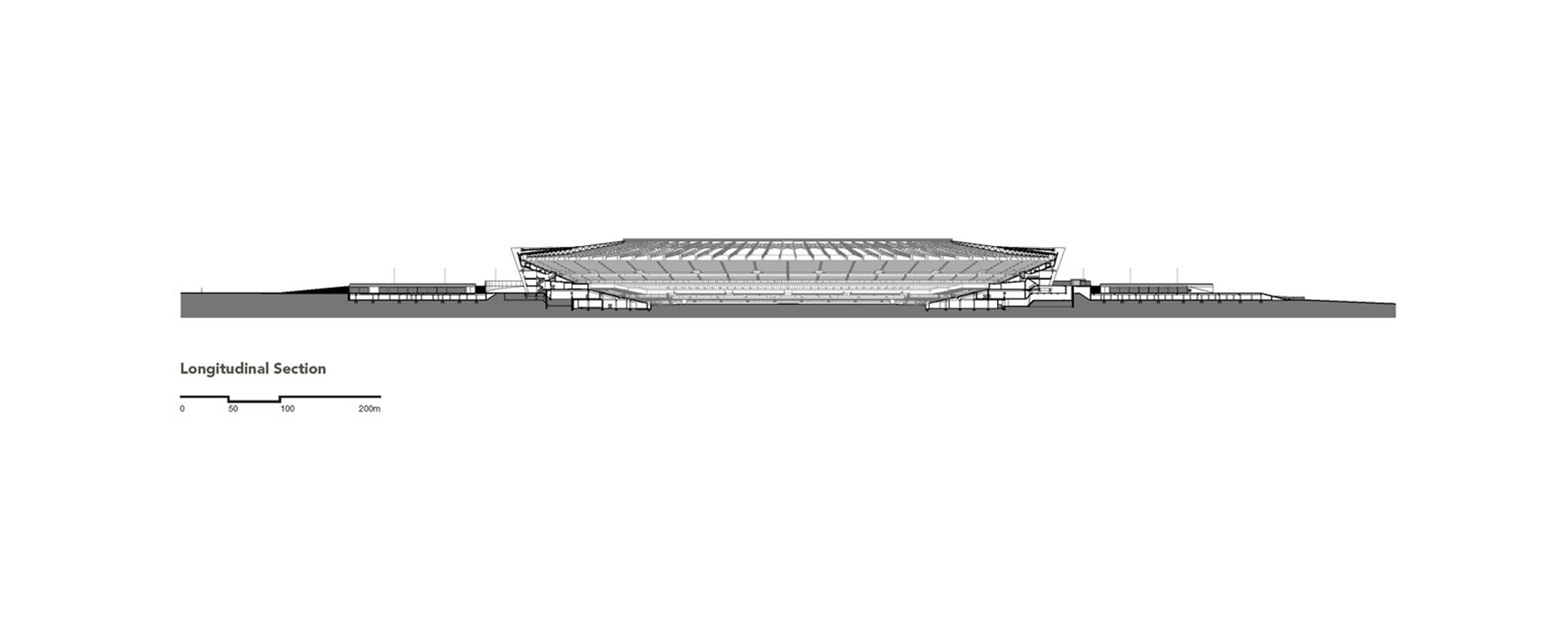
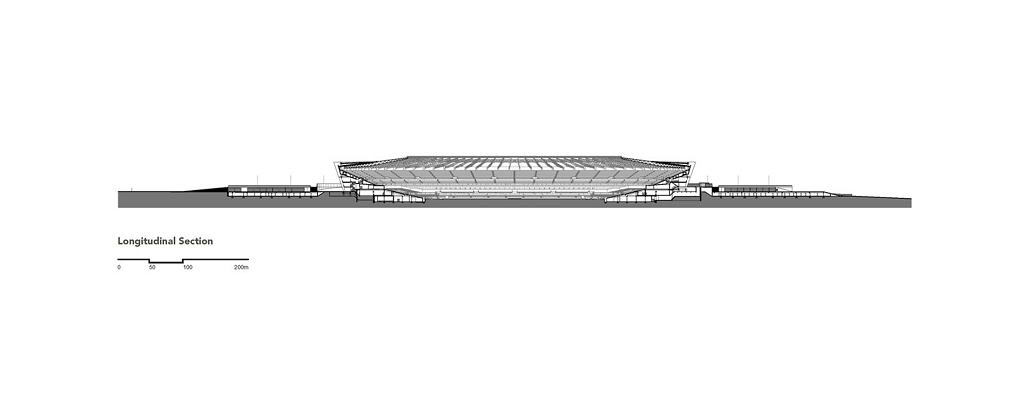
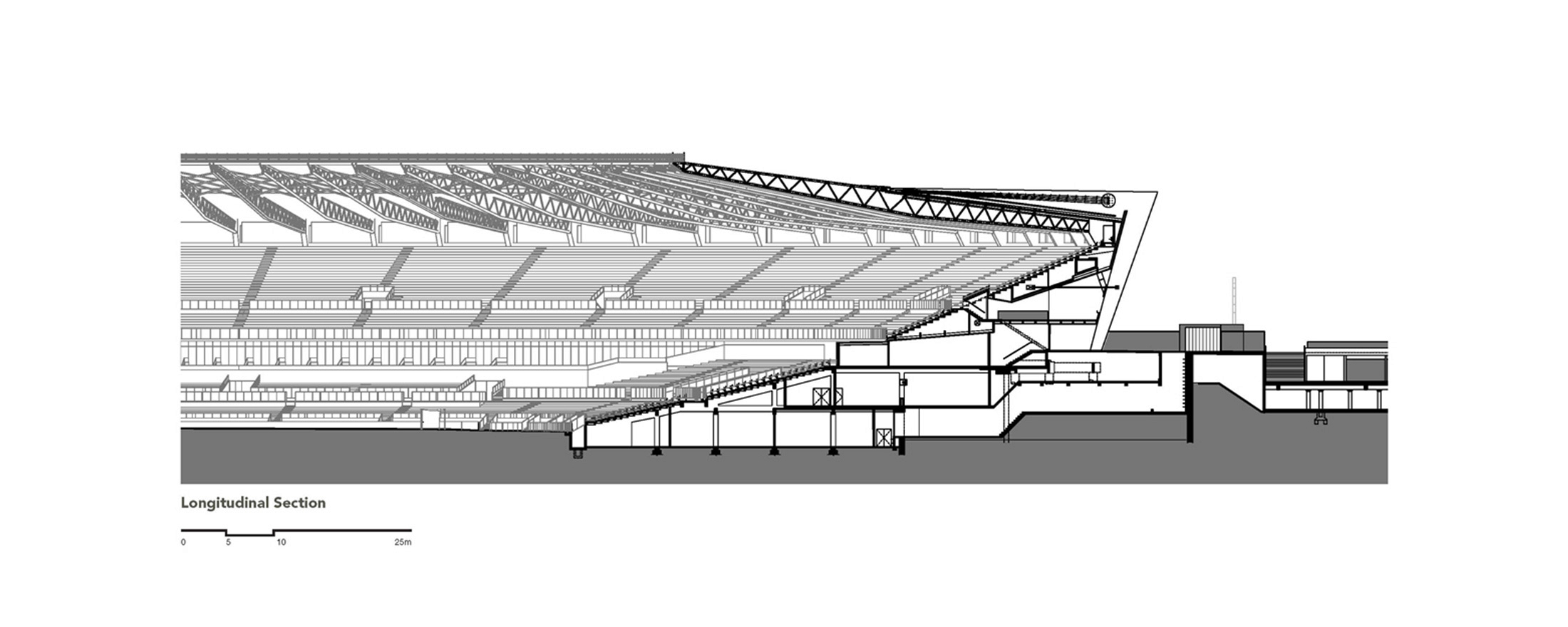
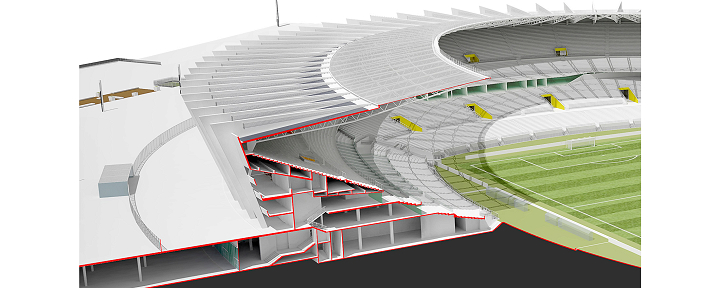
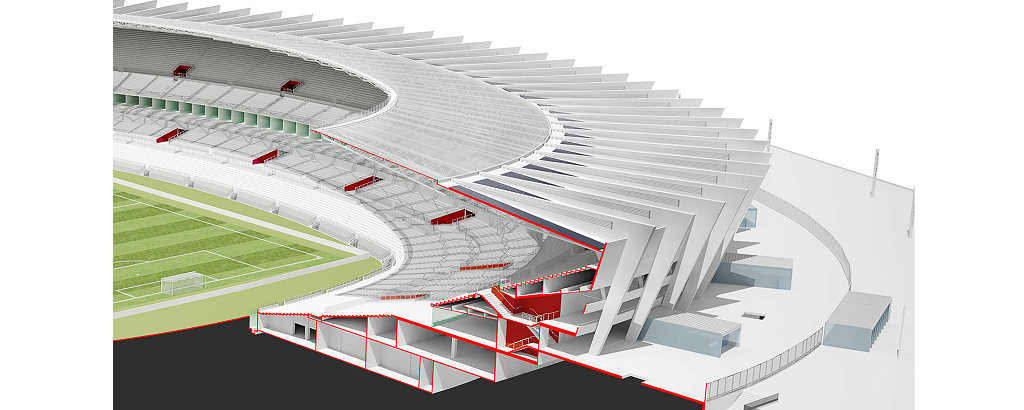
This artificial topography at ground level is entirely dedicated to pedestrian and crowd circulation. Below, the subsoil accommodates a complex network of operational flows and service areas, along with PPP-related programs (commercial and institutional spaces) and government-required facilities (Football Museum, health clinic, small-claims court). Thus, a vertical zoning strategy (in section) complements the traditional horizontal zoning (in plan), separating front-of-house above from back-of-house below.
At certain points, however, these two worlds intersect: storefronts emerge onto the esplanade surface where level changes occur, strategically placed to activate the various platforms. Together with an amphitheater formed by the stairways and the intention to host public events and activities, these shops are expected to ensure continuous pedestrian flow seven days a week, enhancing both the urban experience of the neighborhood and the financial viability of the operation.
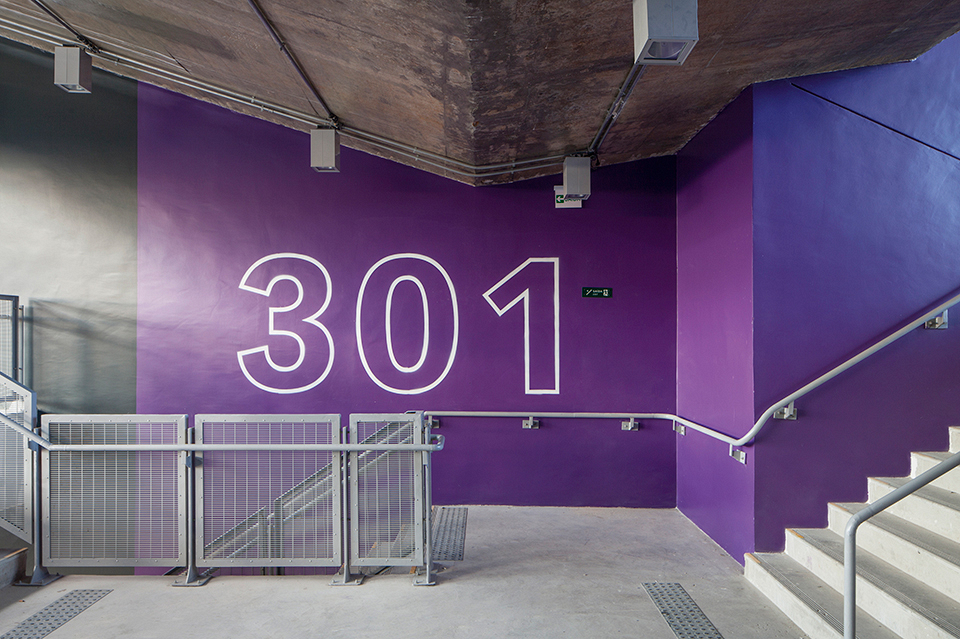
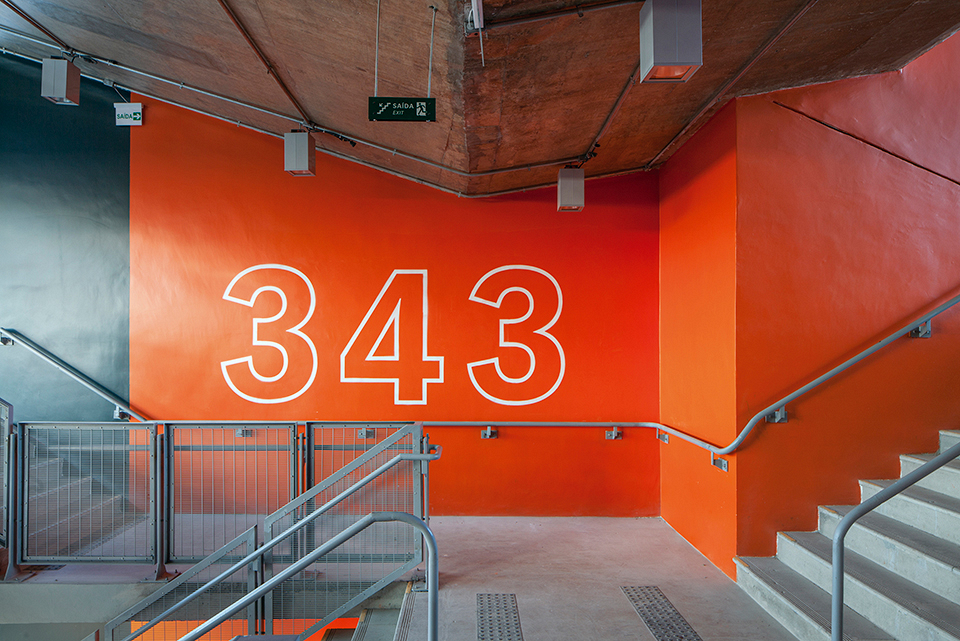
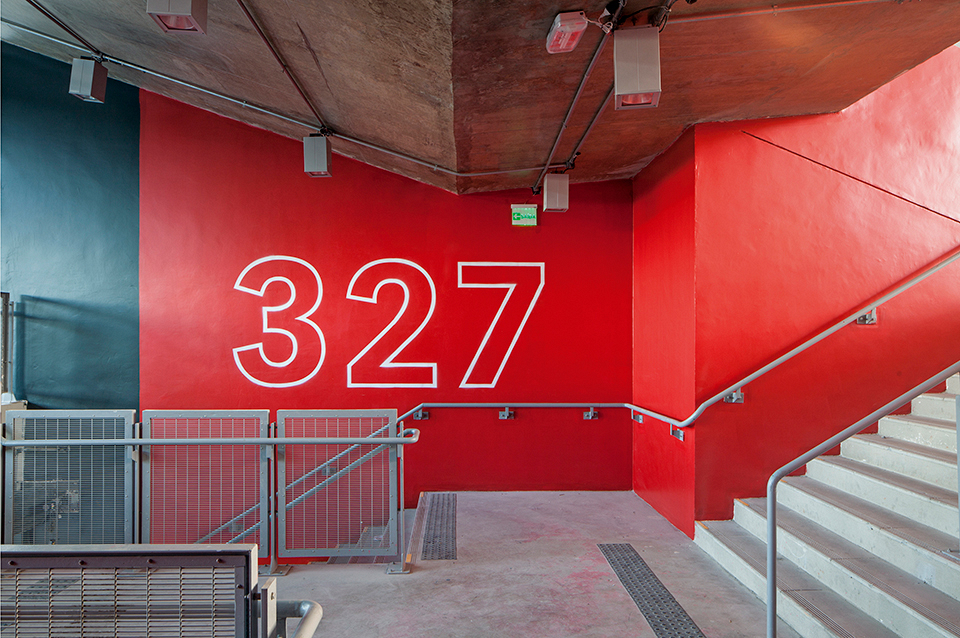
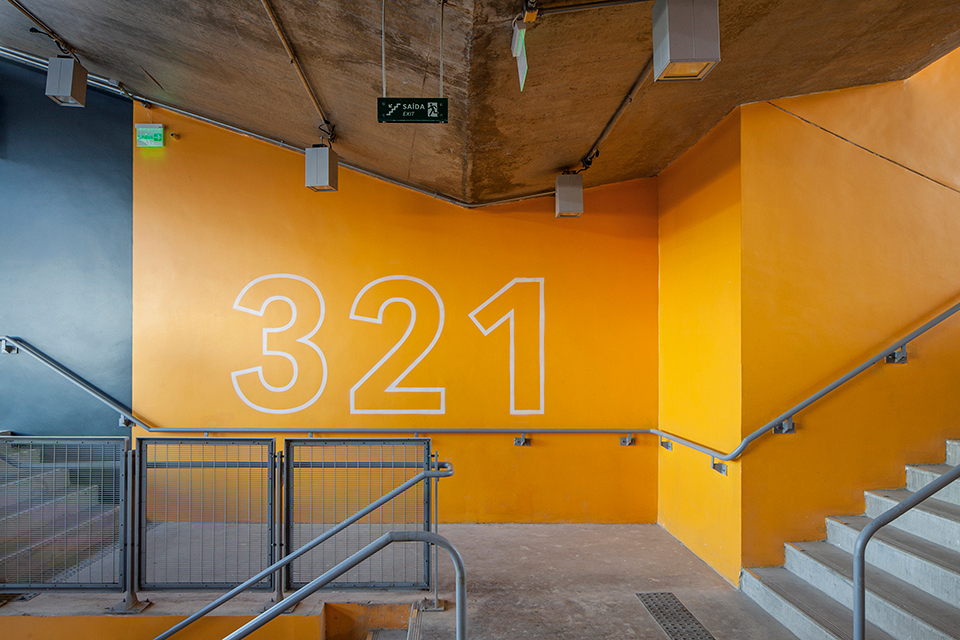
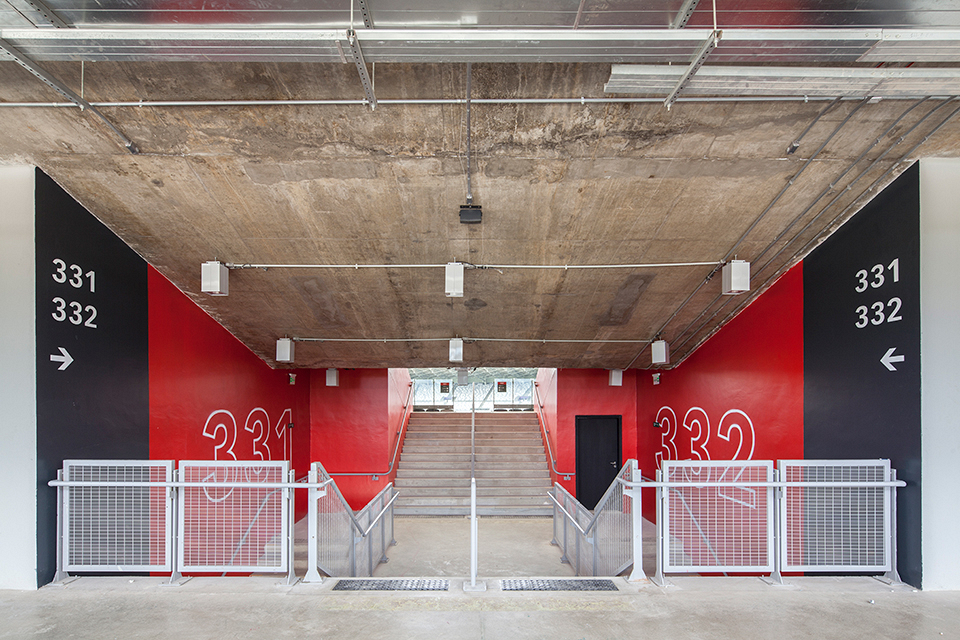
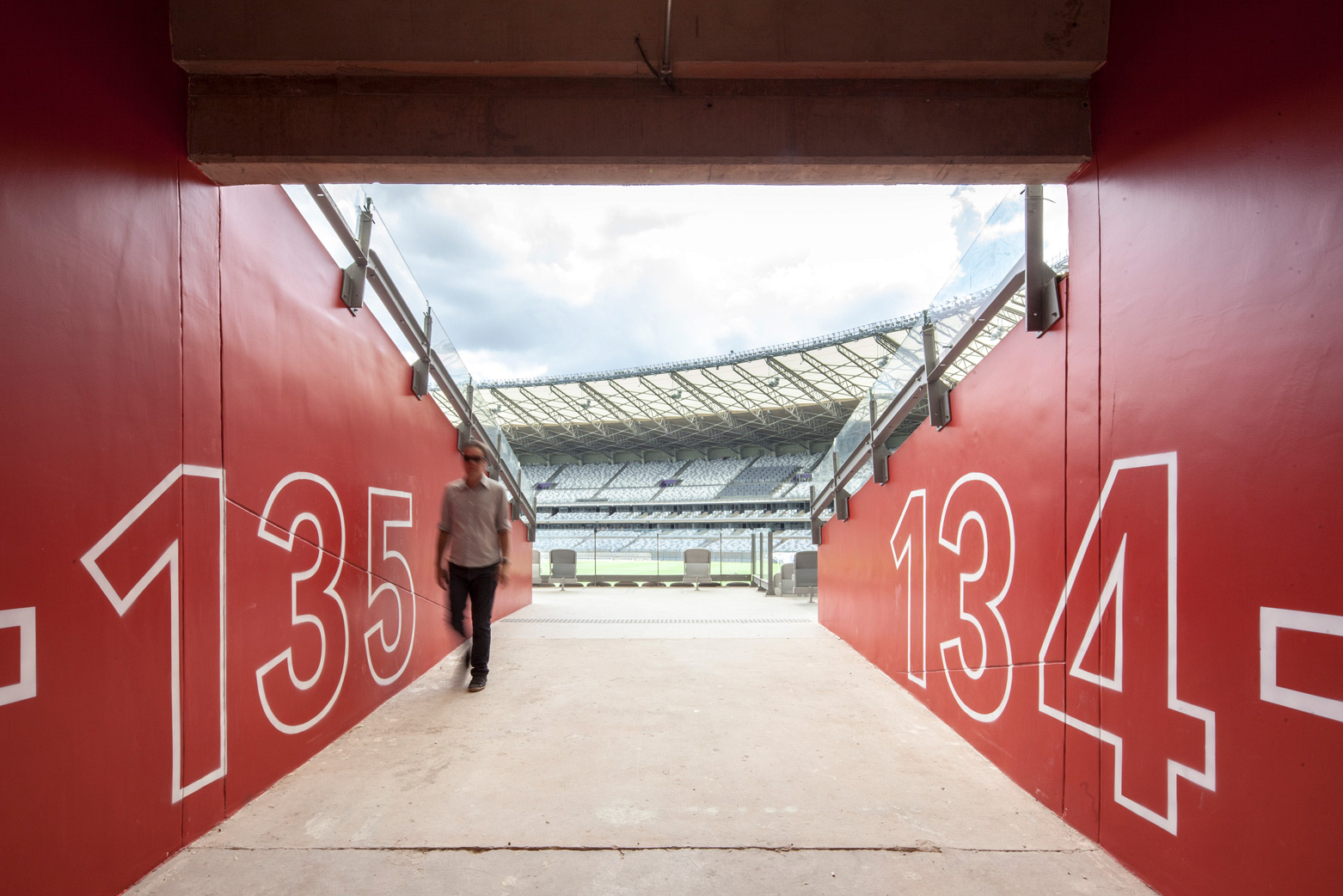
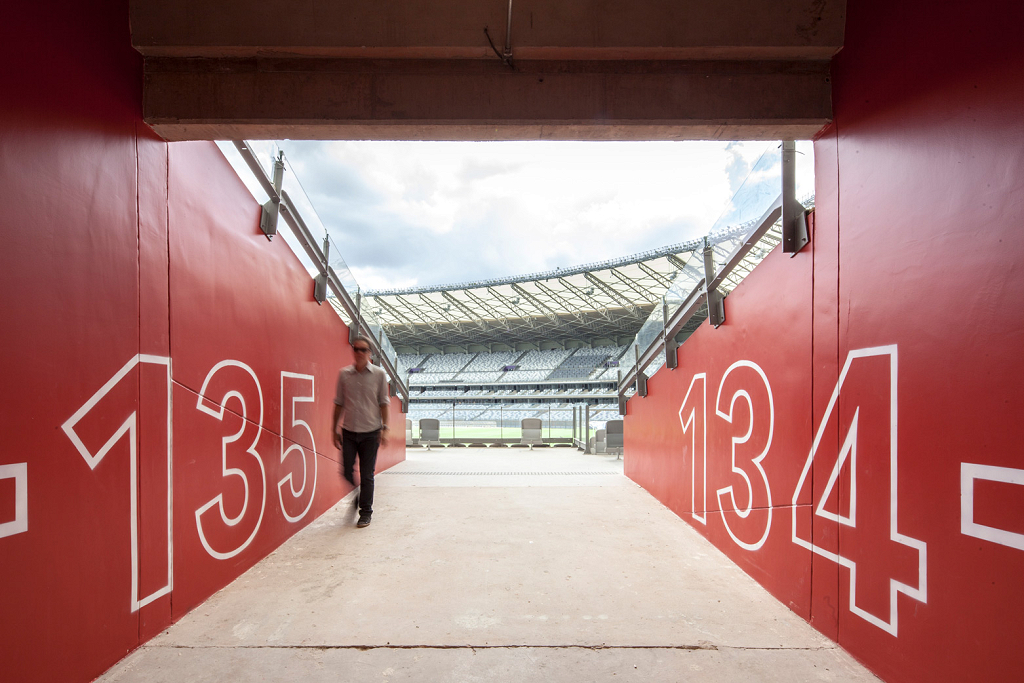
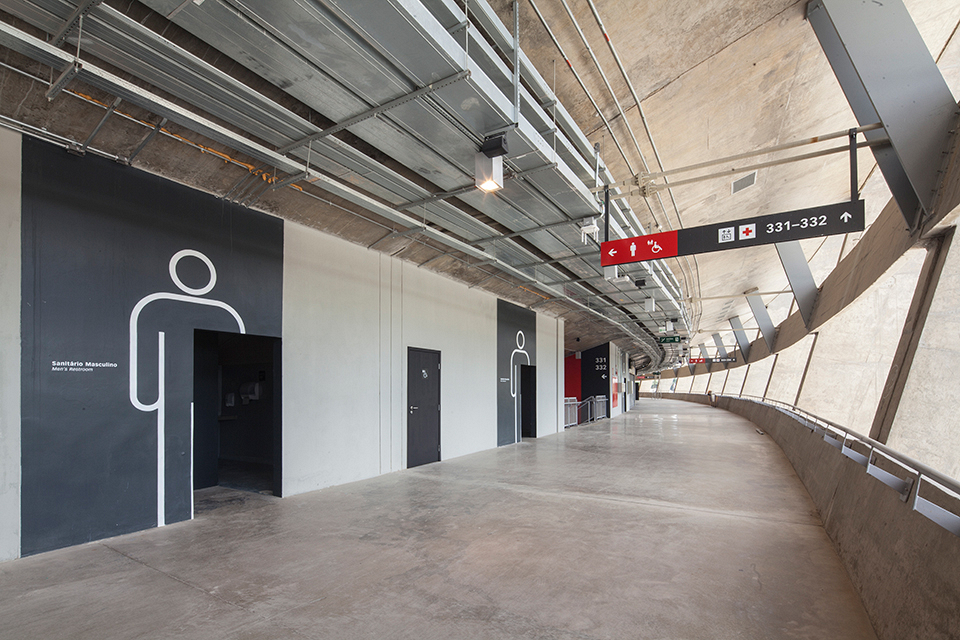
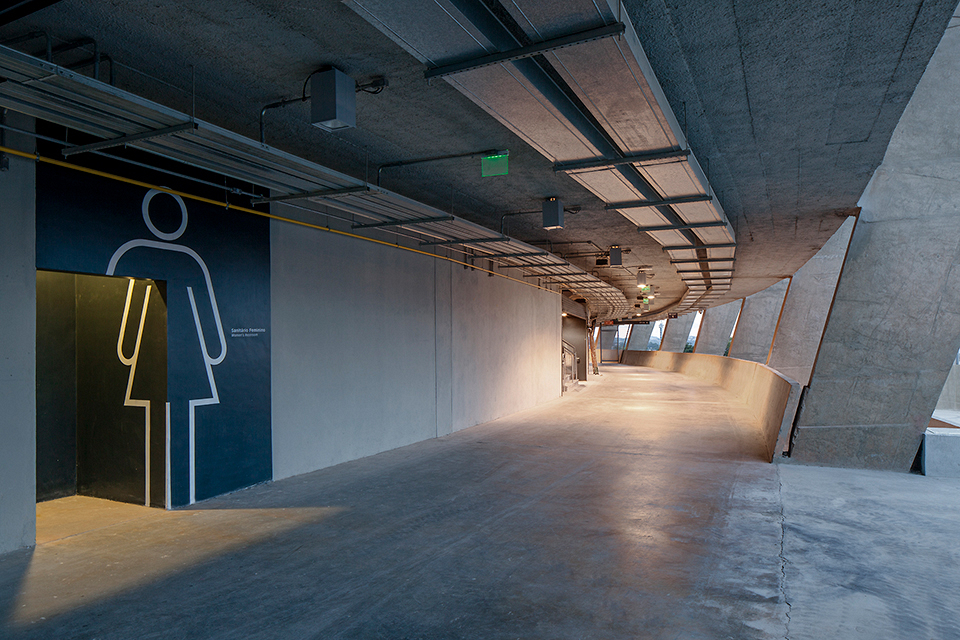
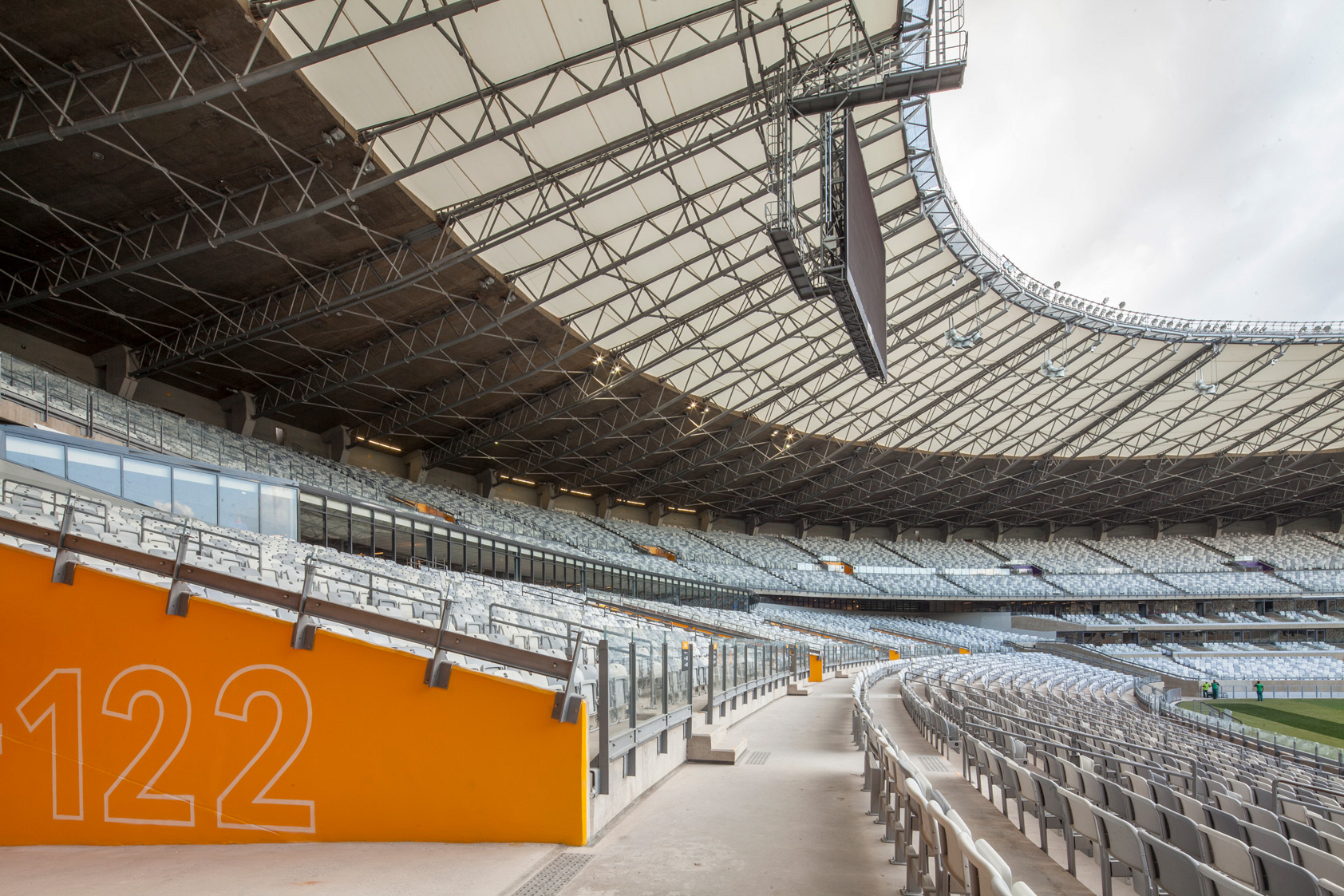
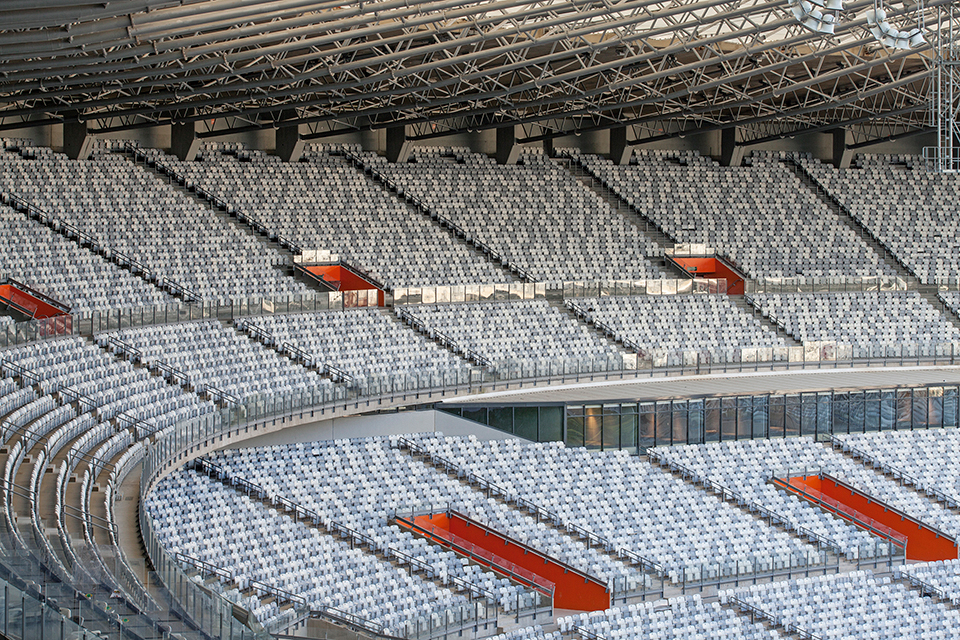
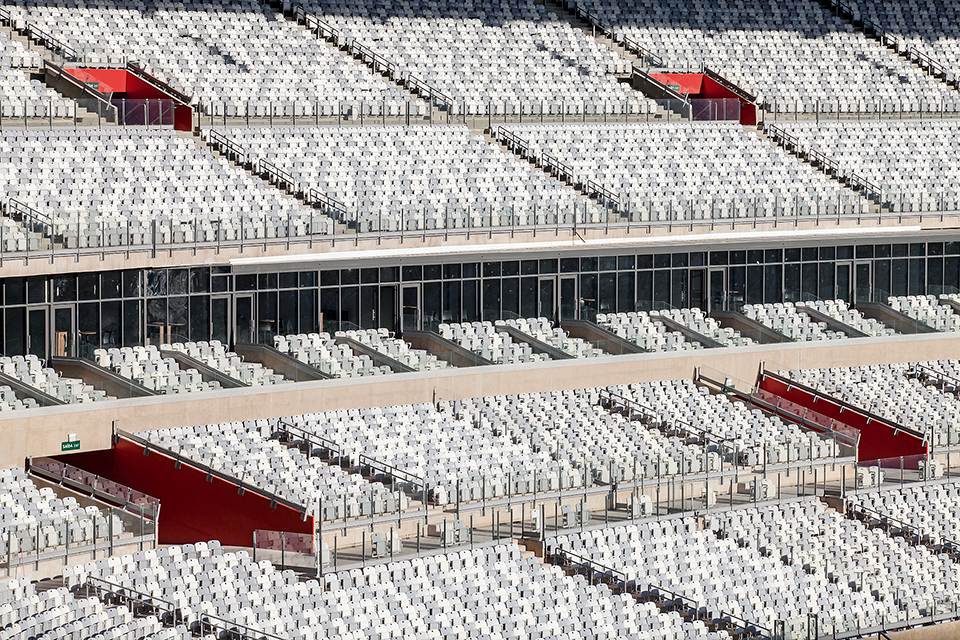
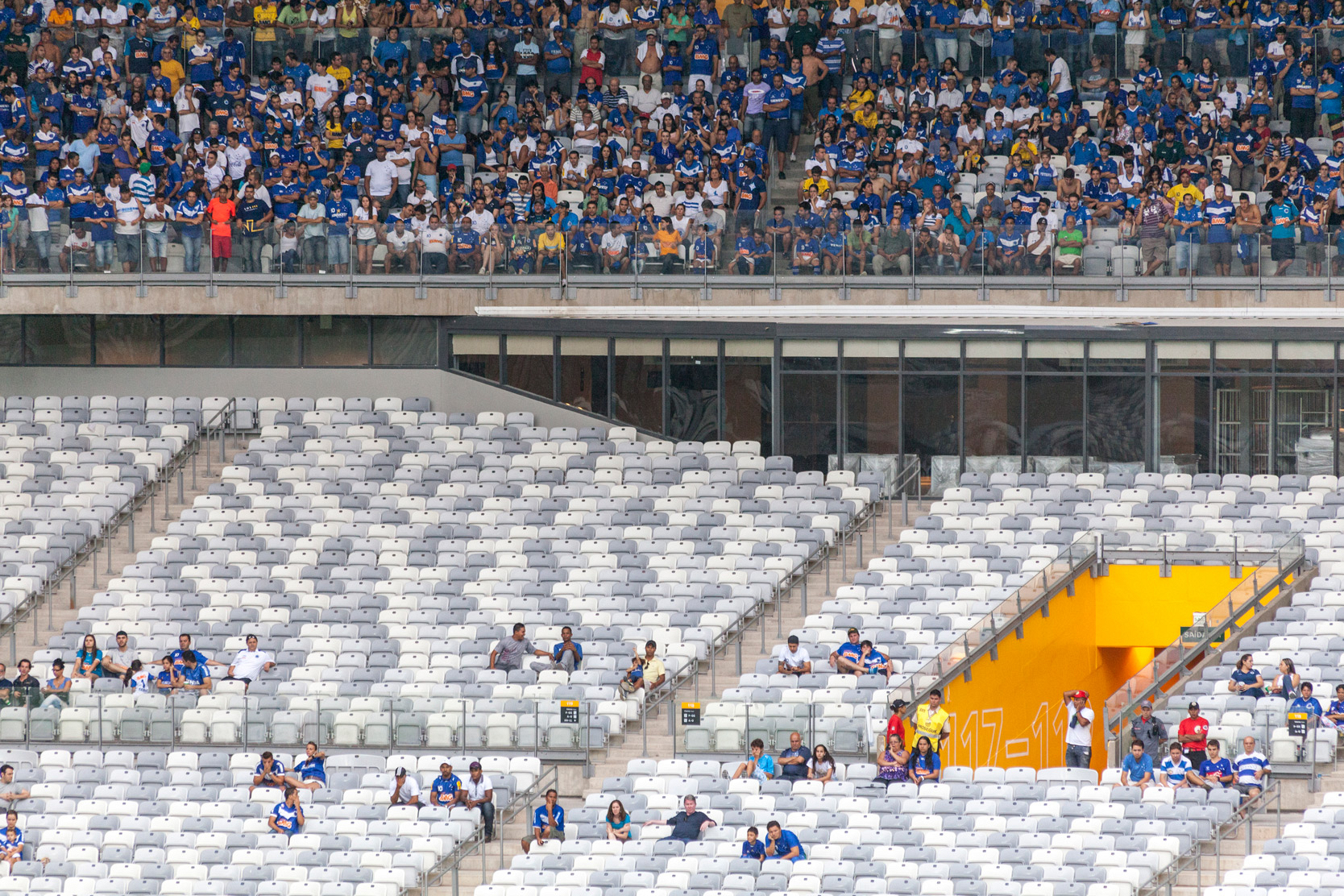
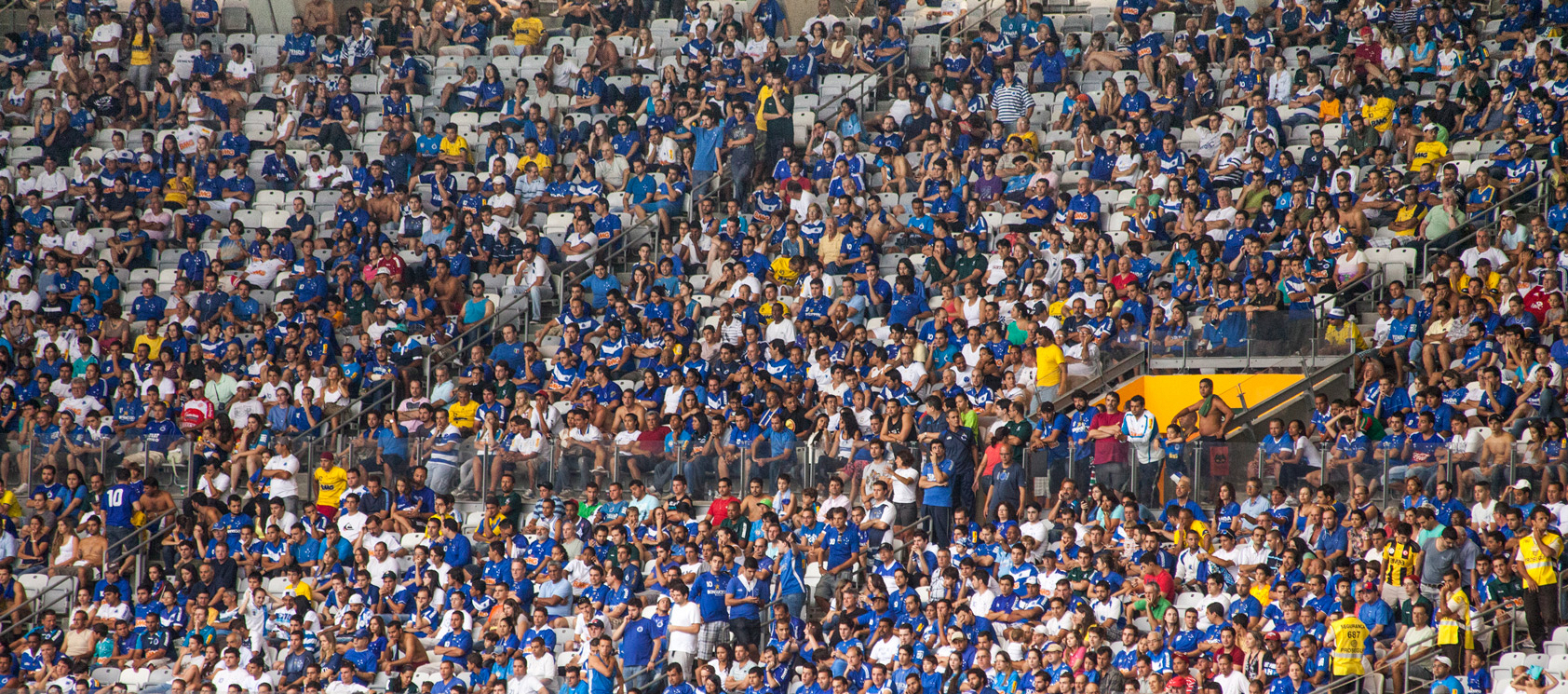
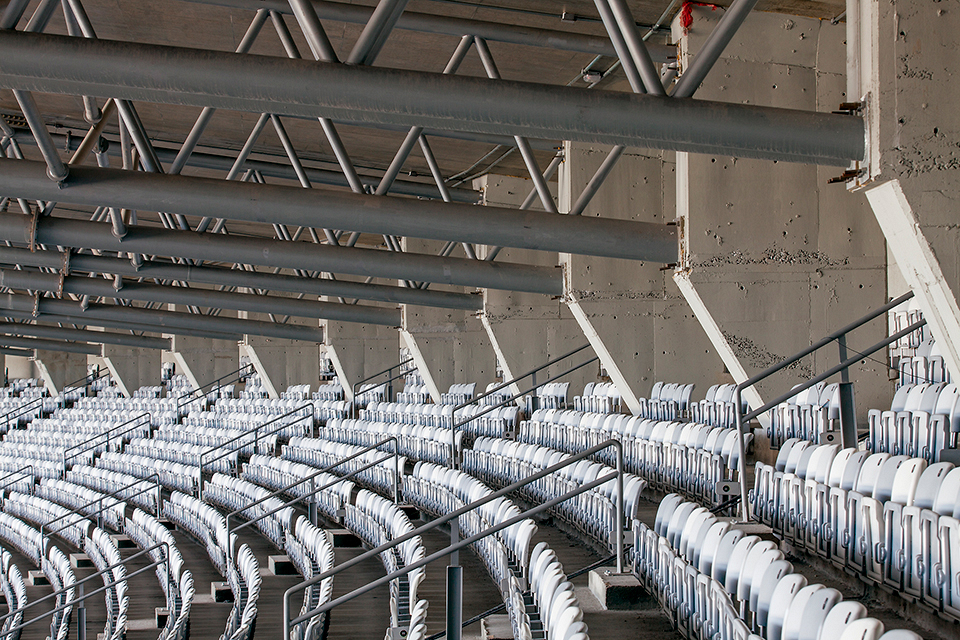
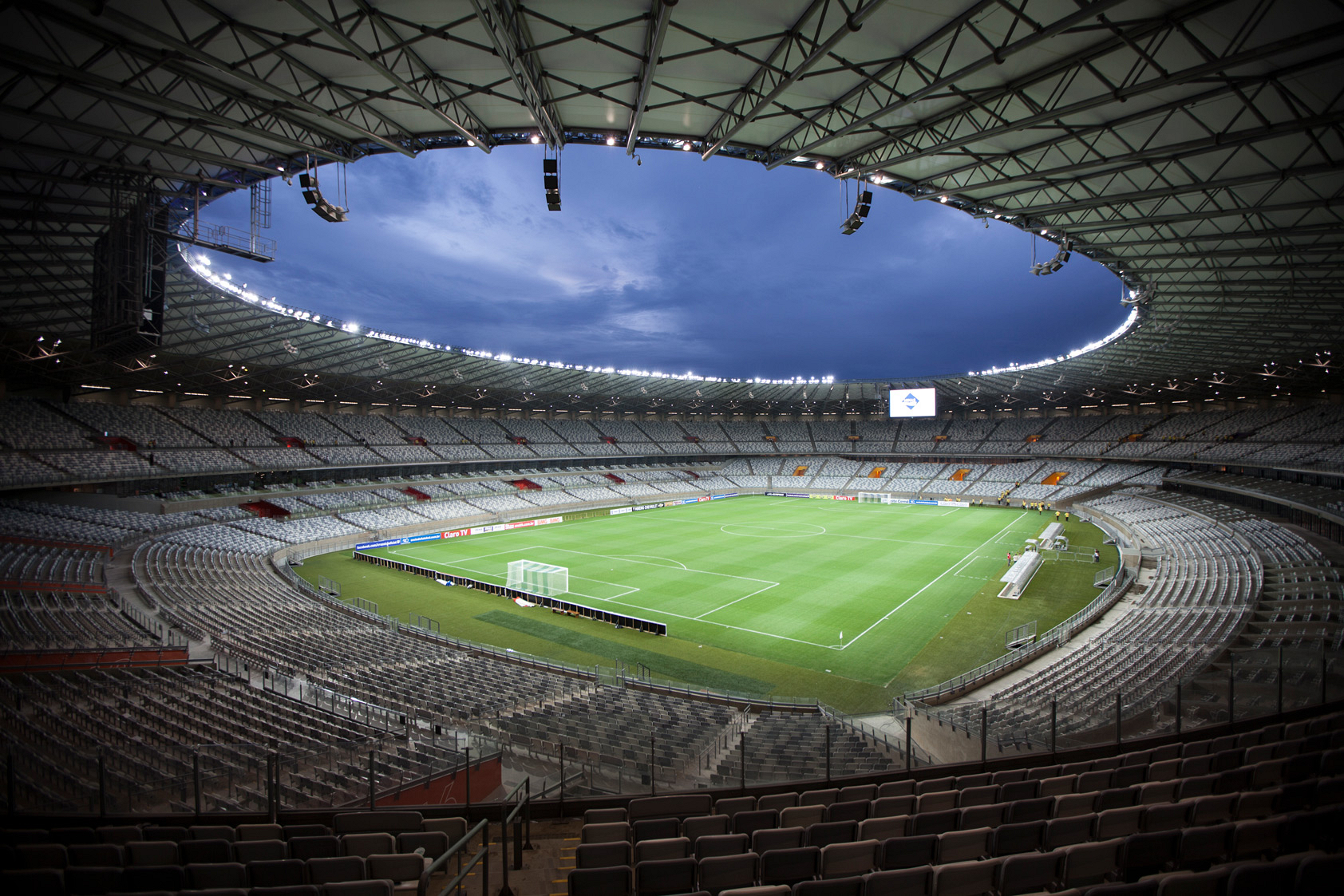
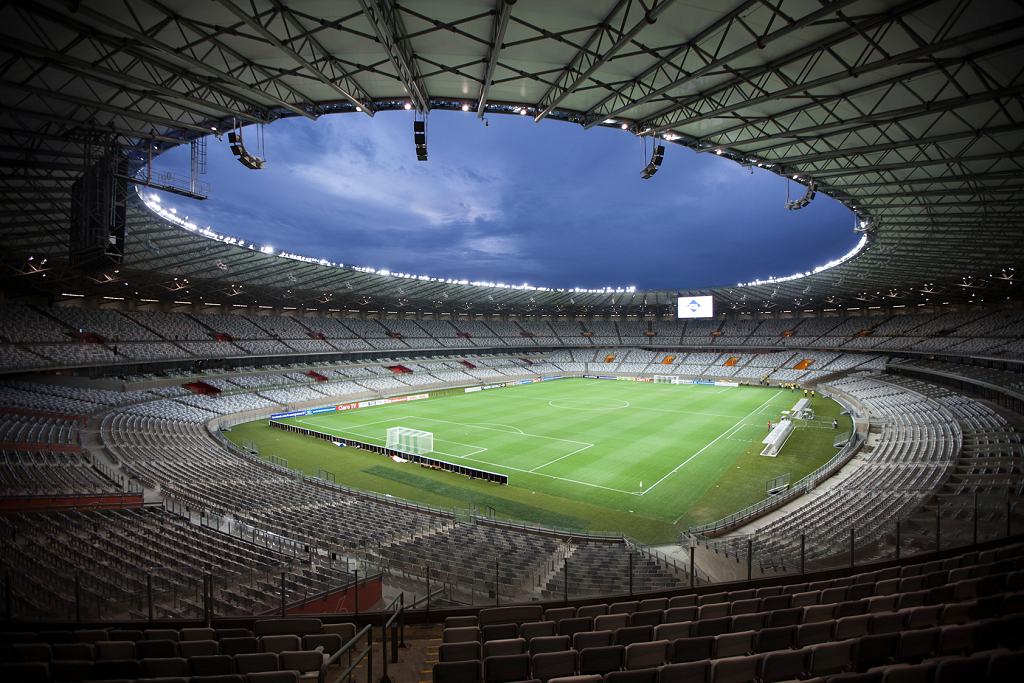
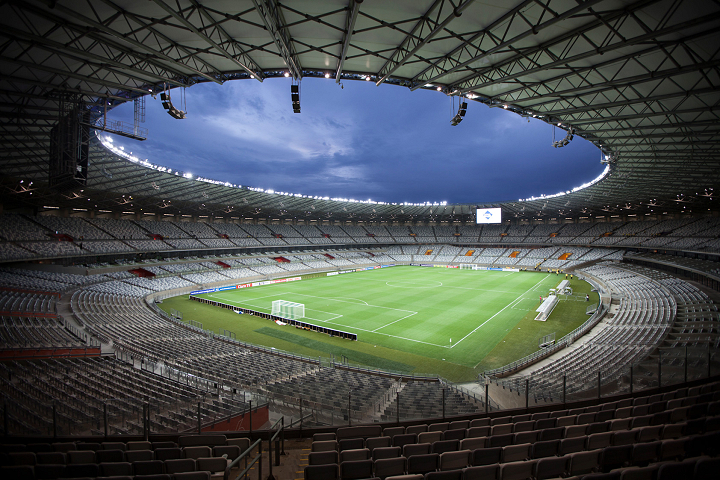
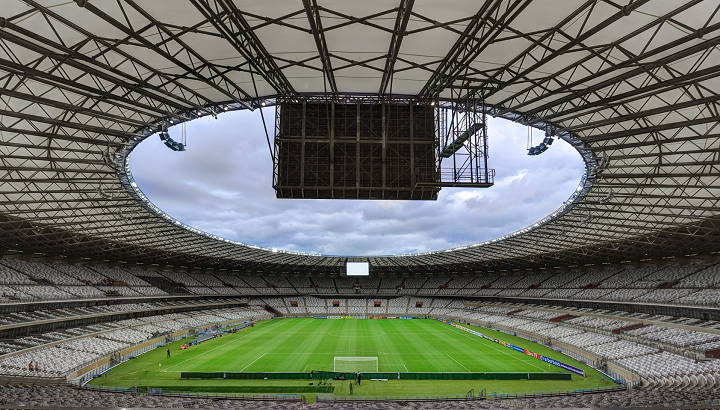
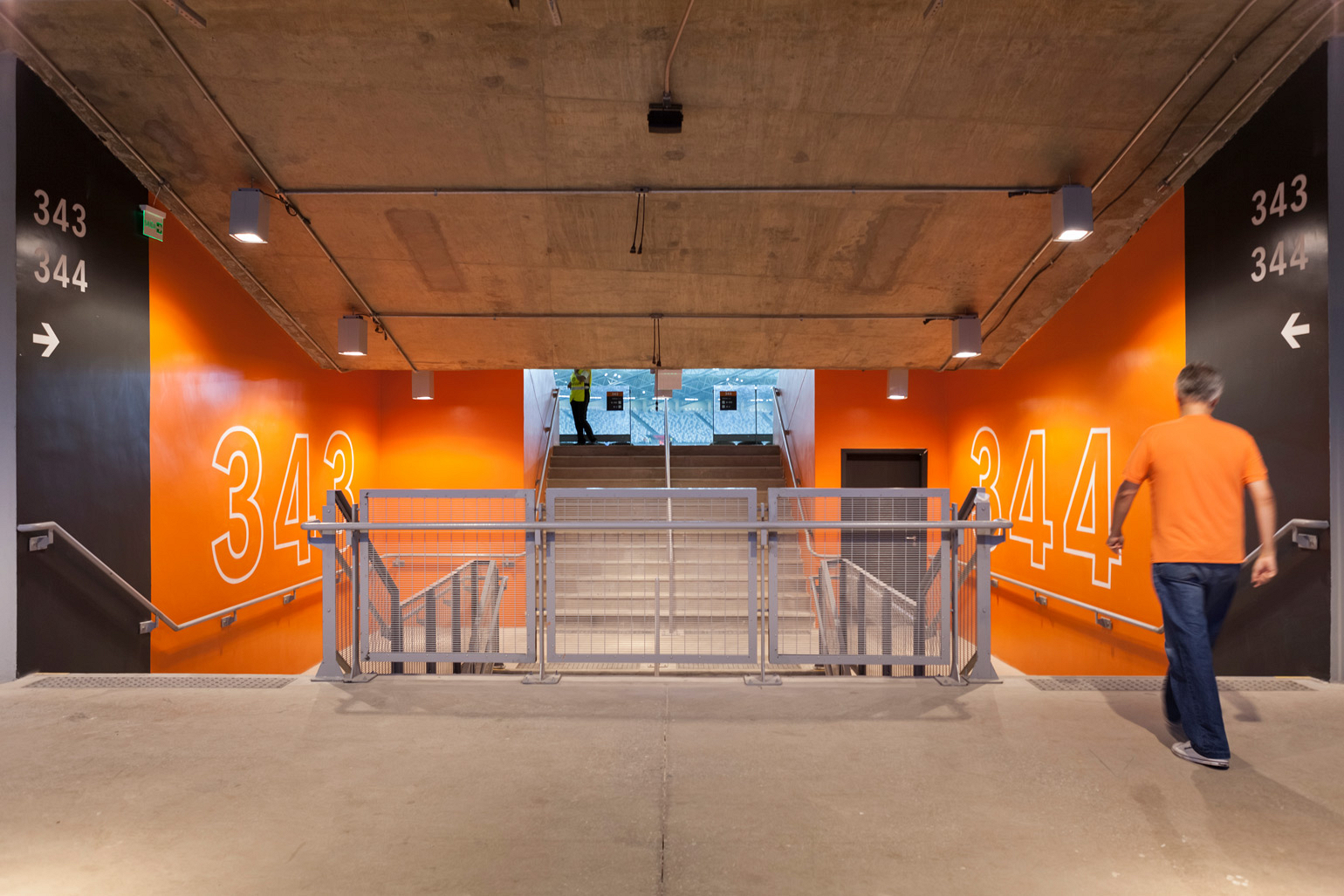
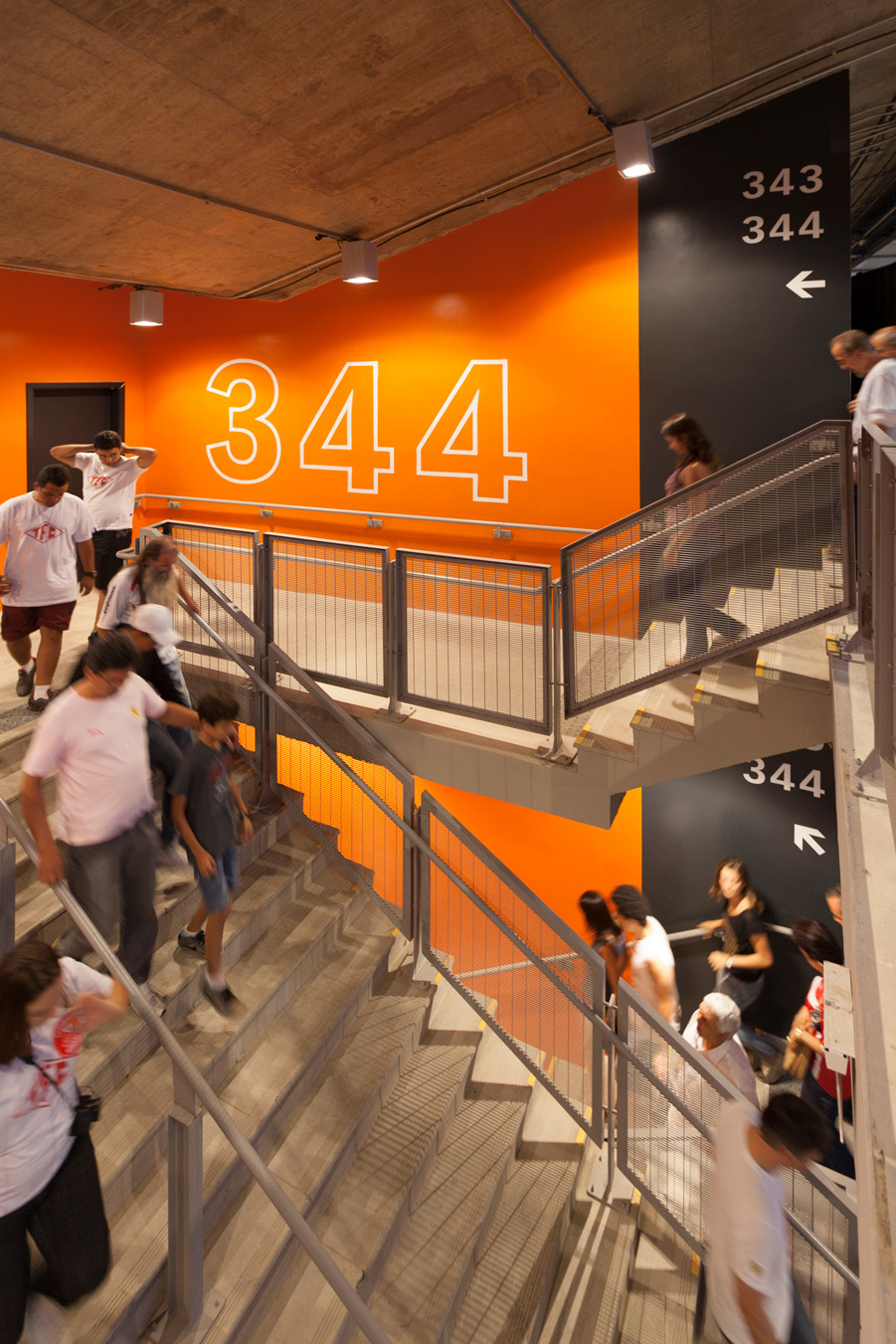
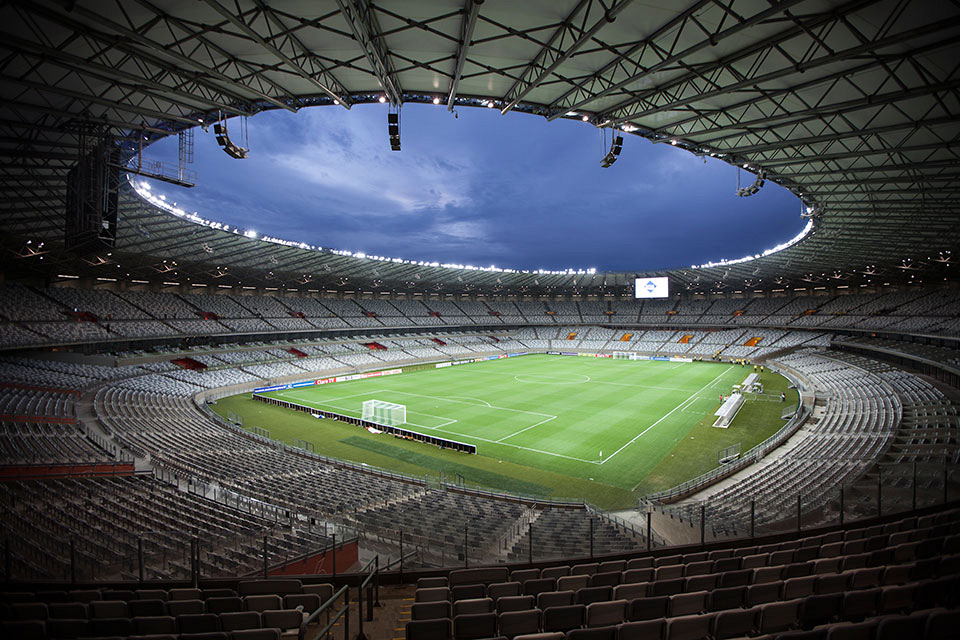
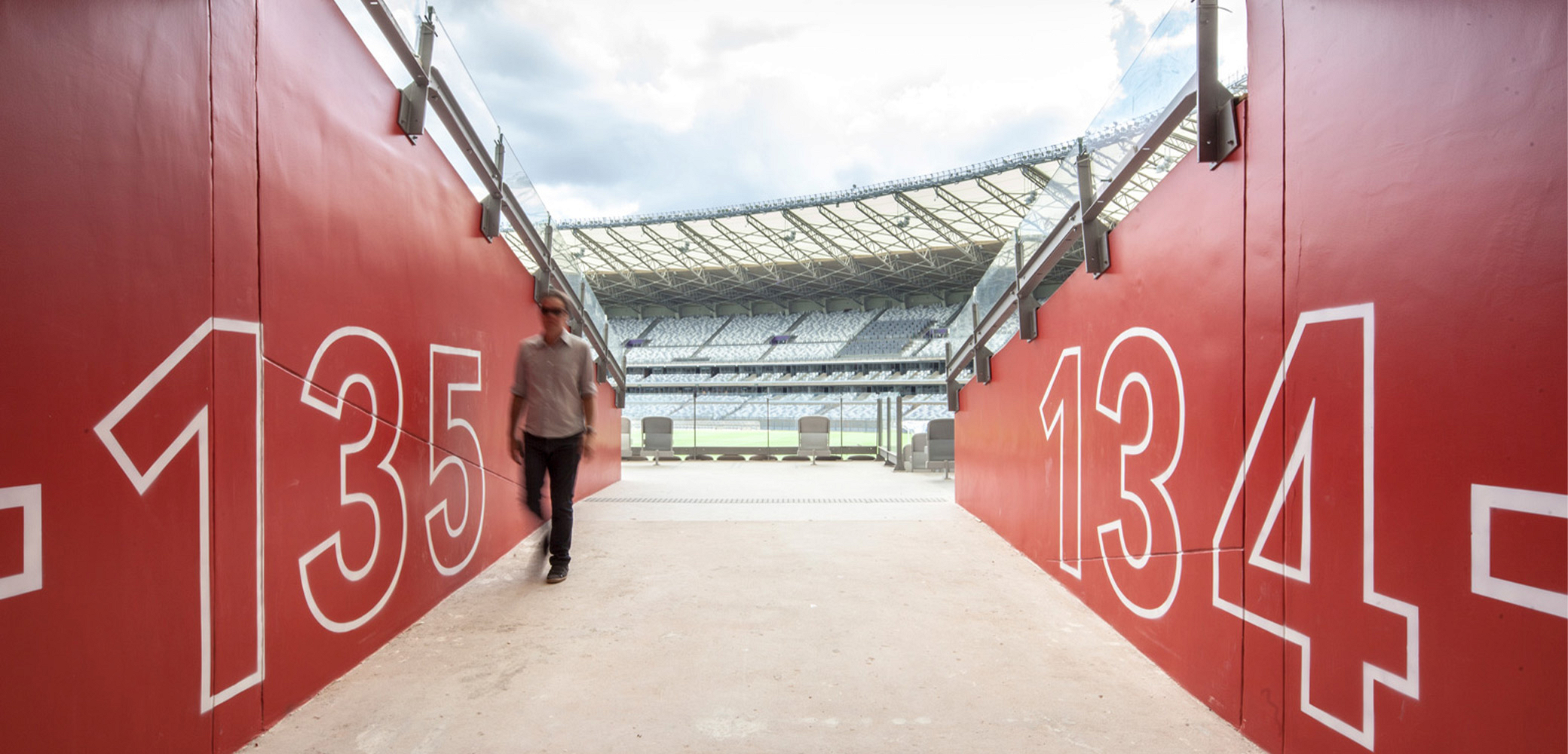
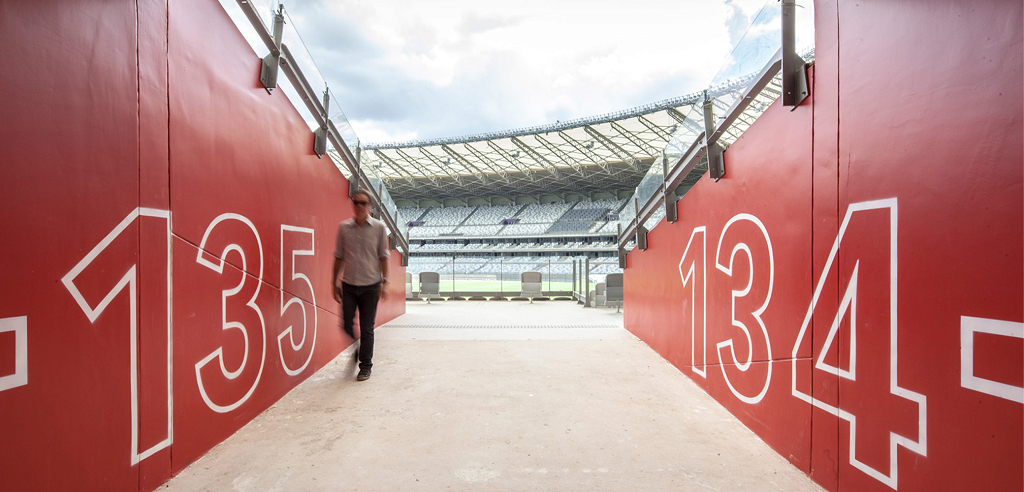
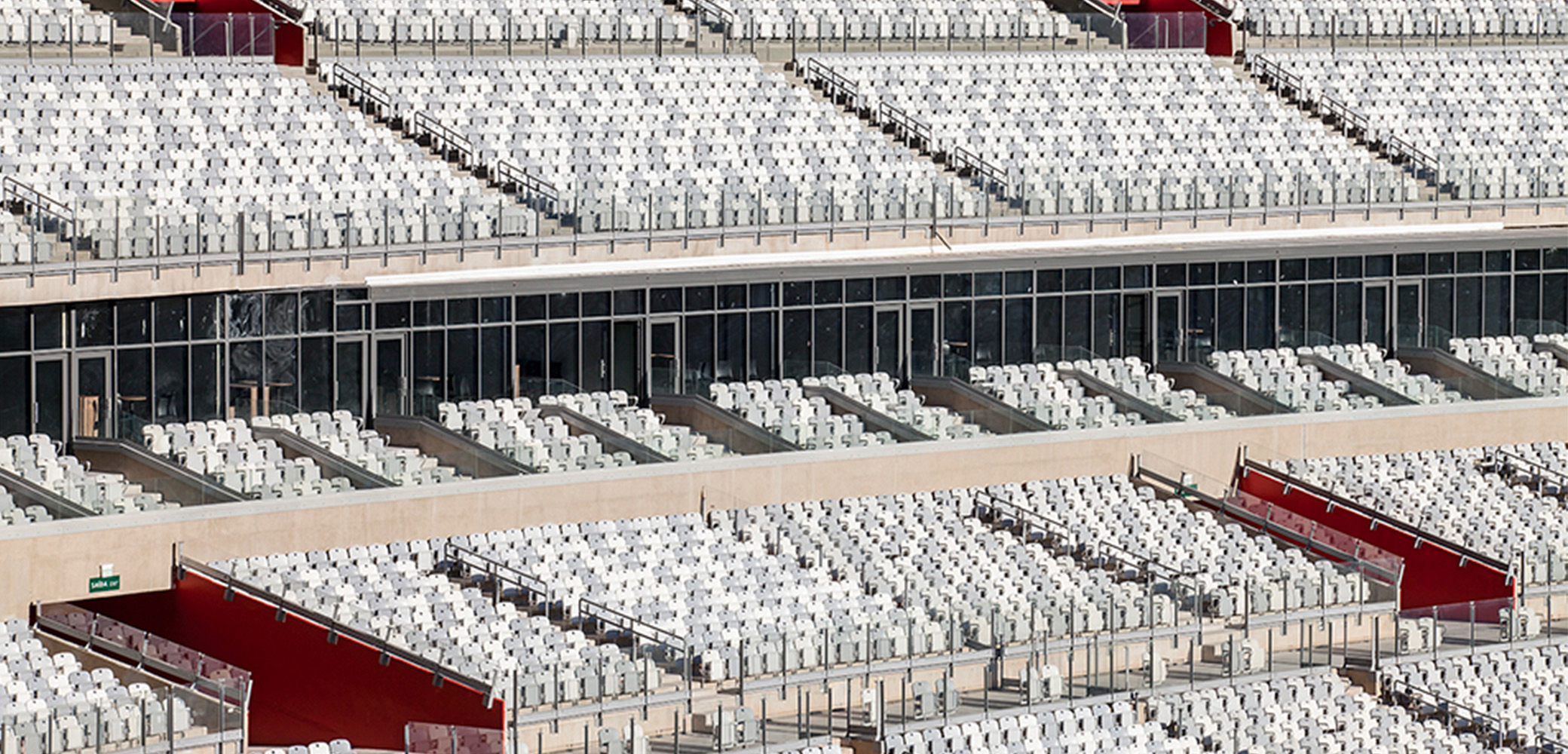
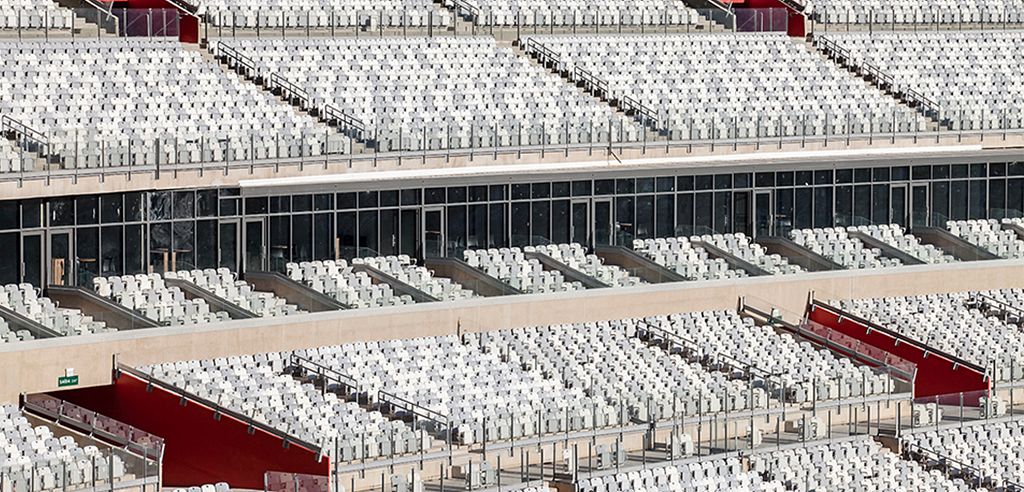
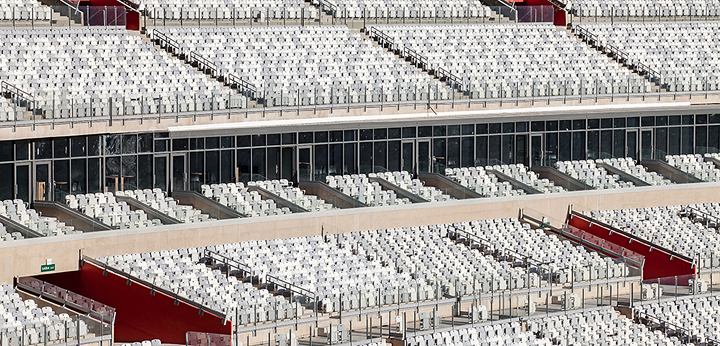
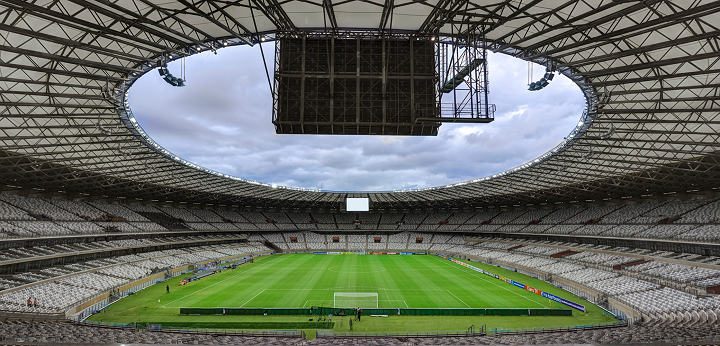
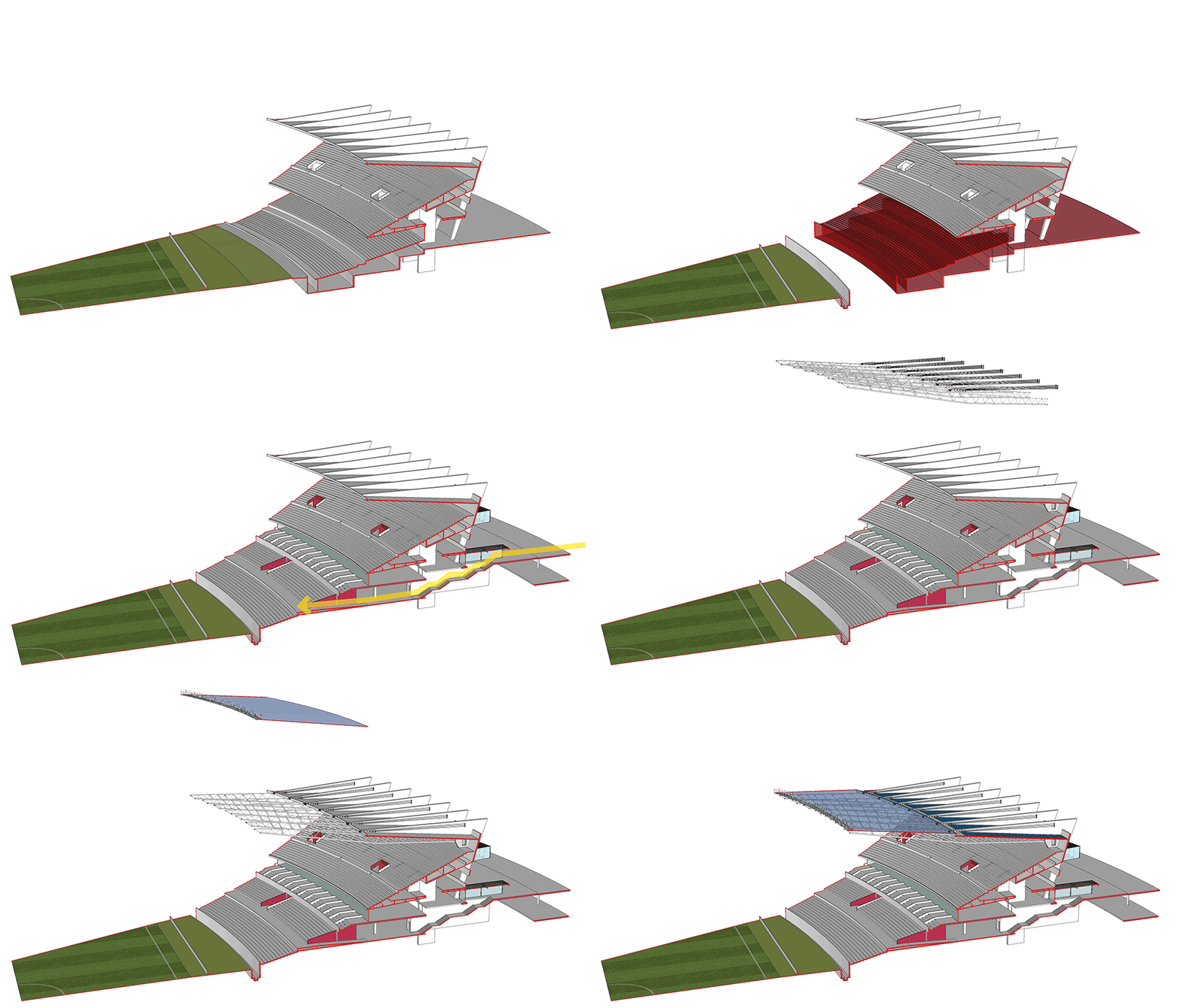
While the structural porticos, roof slab, and upper grandstand—all heritage-listed—were preserved, the intermediate and lower rings were demolished, and the pitch was lowered by 3.40 meters. This allowed compliance with FIFA technical requirements. All seating areas were fitted with numbered, ergonomic, durable seats in three shades of gray, producing an unexpected pixelated effect that serves as a neutral background for the vibrant color-coded signage of the four sectors, designed by Hardy Design. The stadium’s capacity was reduced to 62,160 seats.
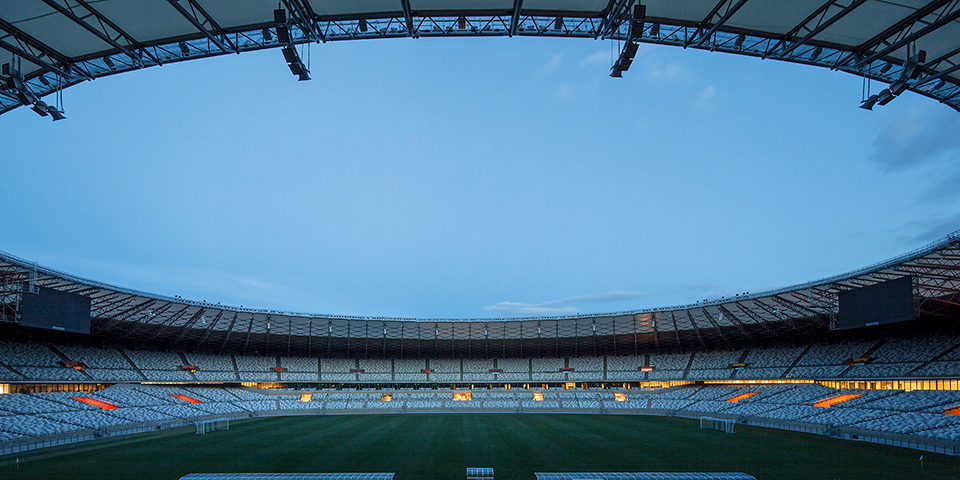
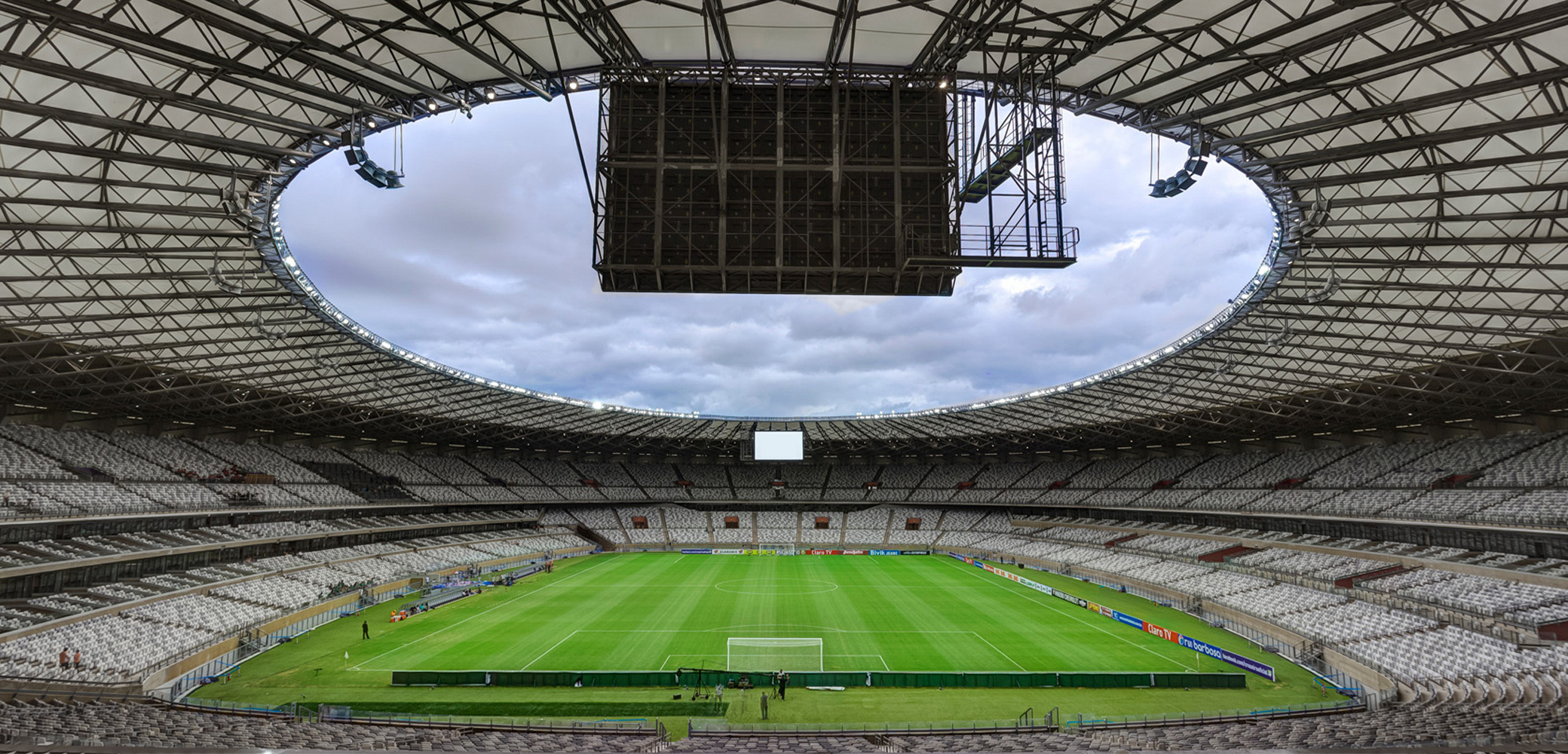
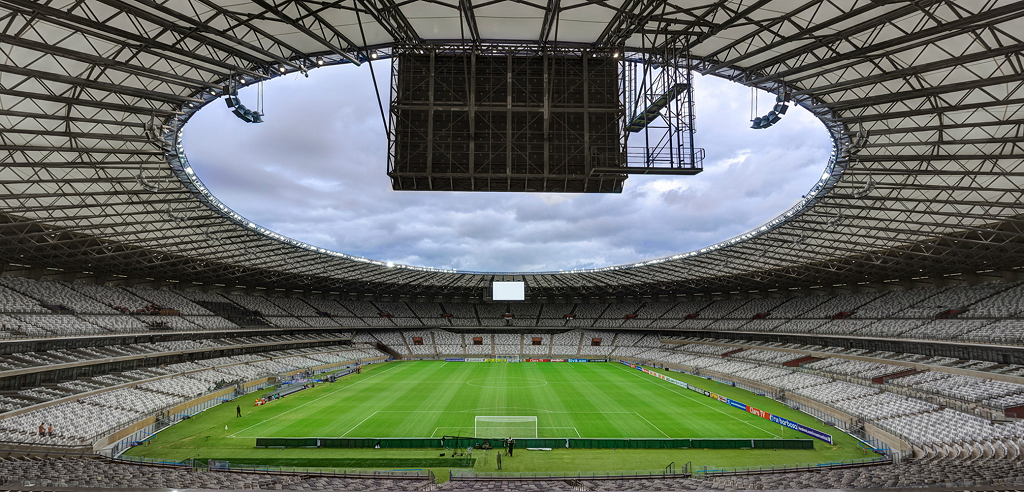
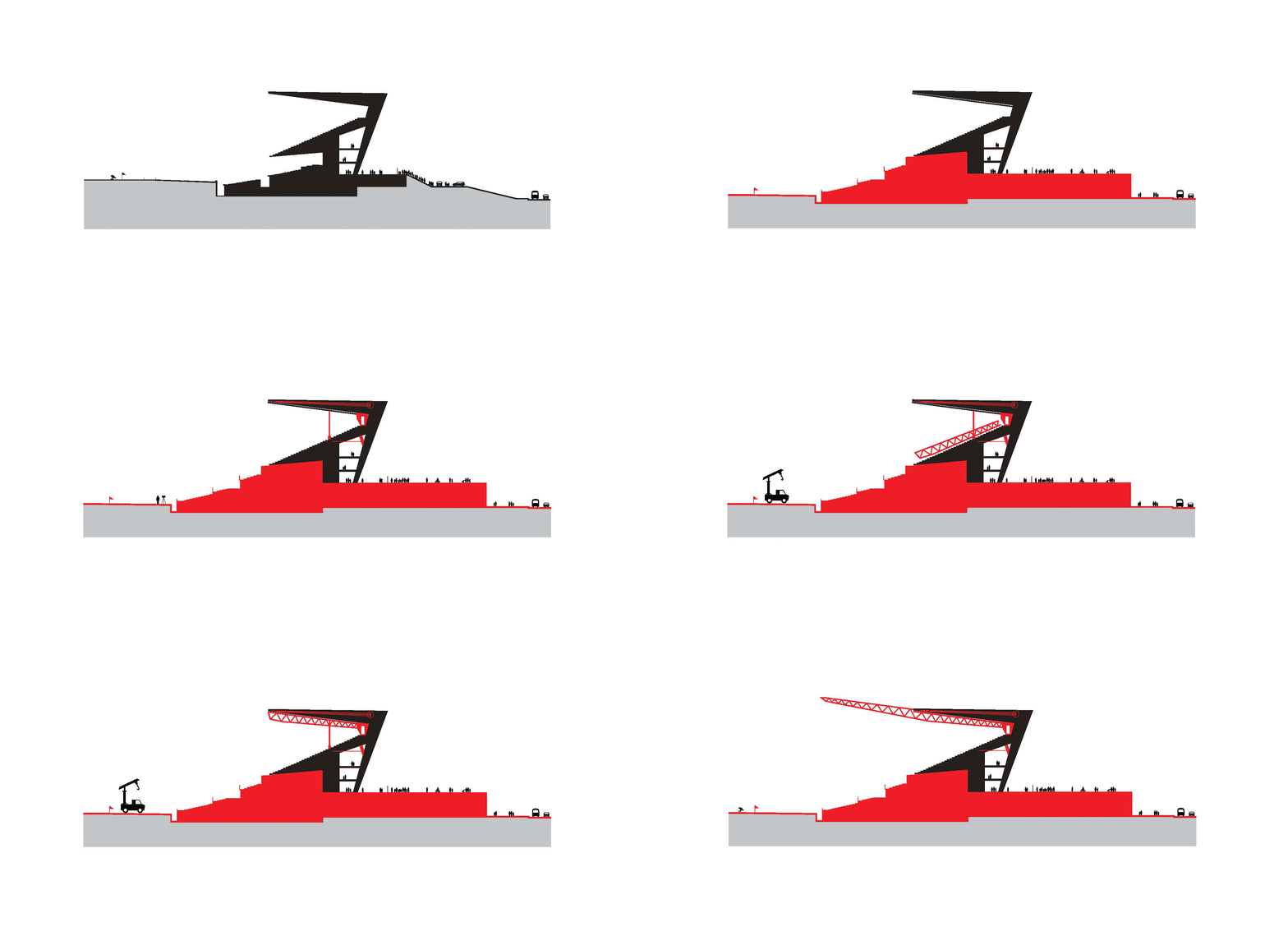
The roof extension was entirely redefined. The structural engineering firm Engeserj, responsible for the project, relied on studies conducted at UFMG on the Mineirão’s concrete structure and concluded that its strong and robust skeleton could—and should—actively participate in the new roof design. The resulting hybrid solution follows the rhythm of the stadium’s 88 porticos, anchoring to them and creating a 26-meter cantilevered roof extension.
The first step involved relieving structural stresses through a post-tensioning process using hydraulic jacks and steel cables. Over time, the structure had sagged approximately 30 cm; it was lifted above its original level so that, after the new loads were applied, it would settle close to its initial condition. The columns were then reinforced with bracing systems incorporating steel plates and tie rods. Next, flat trusses made of steel tubes were installed one by one, anchored to cast-in-place concrete elements at each portico. Finally, the entire assembly was covered with a self-cleaning membrane.
Above the existing roof slab, a network of solar panels was installed, making Mineirão the largest photovoltaic power plant on a roof in Brazil. The estimated output is sufficient to supply 1,200 homes. The stadium feeds this energy into the public grid and draws it back for its own use. Rainwater is collected and reused, and approximately 90% of demolished material was crushed and recycled into new concrete. Old seats and turf were donated to other stadiums.
The Mineirão Stadium demonstrates how mega-events can leave a lasting urban legacy. In this case, although the interventions occurred at the building scale, they respond to the needs of larger urban scales—neighborhood and city—by incorporating new programs through the creation of plazas and semi-public spaces. In doing so, the city’s ground plane extends into the architecture itself.