

Maranhão Building Retrofit
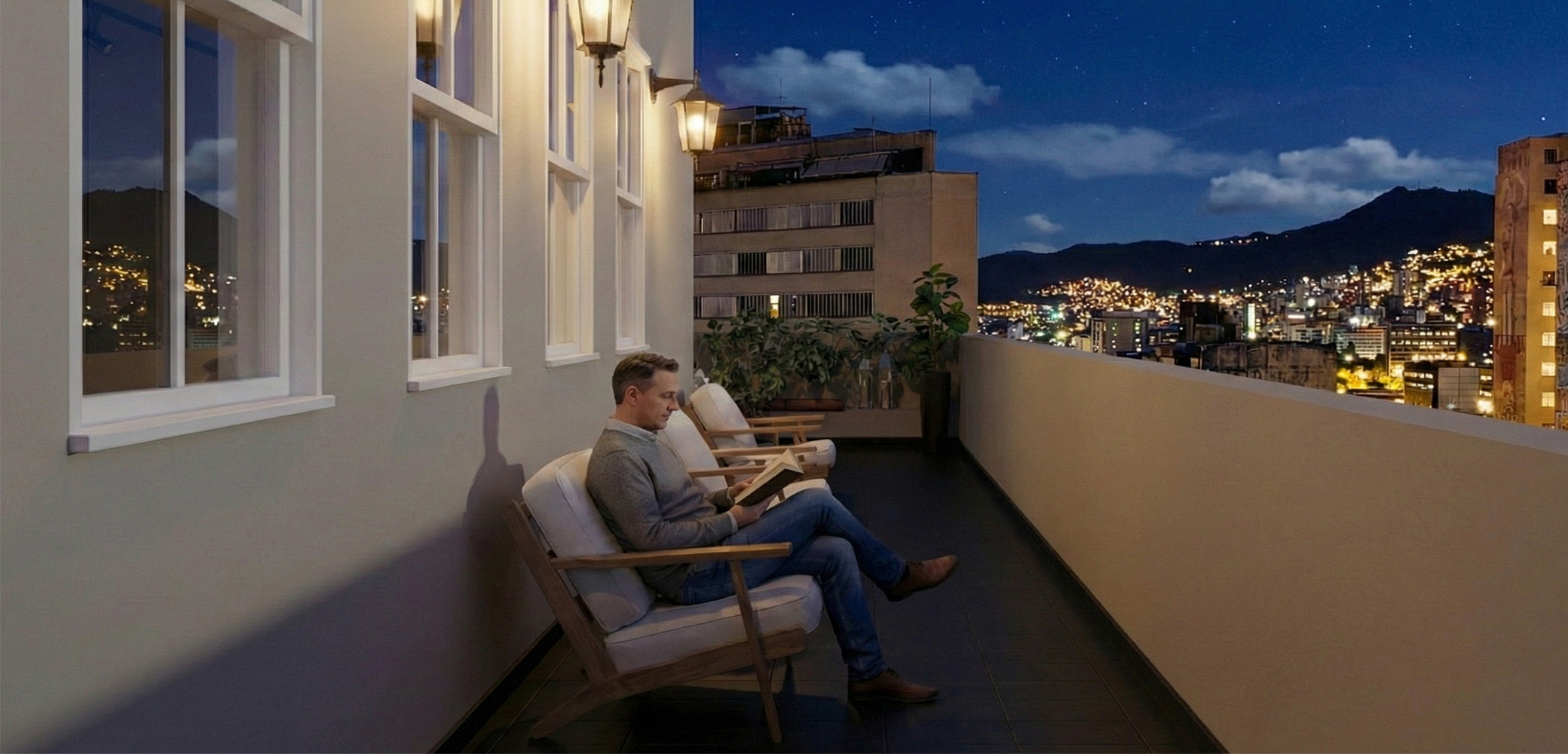
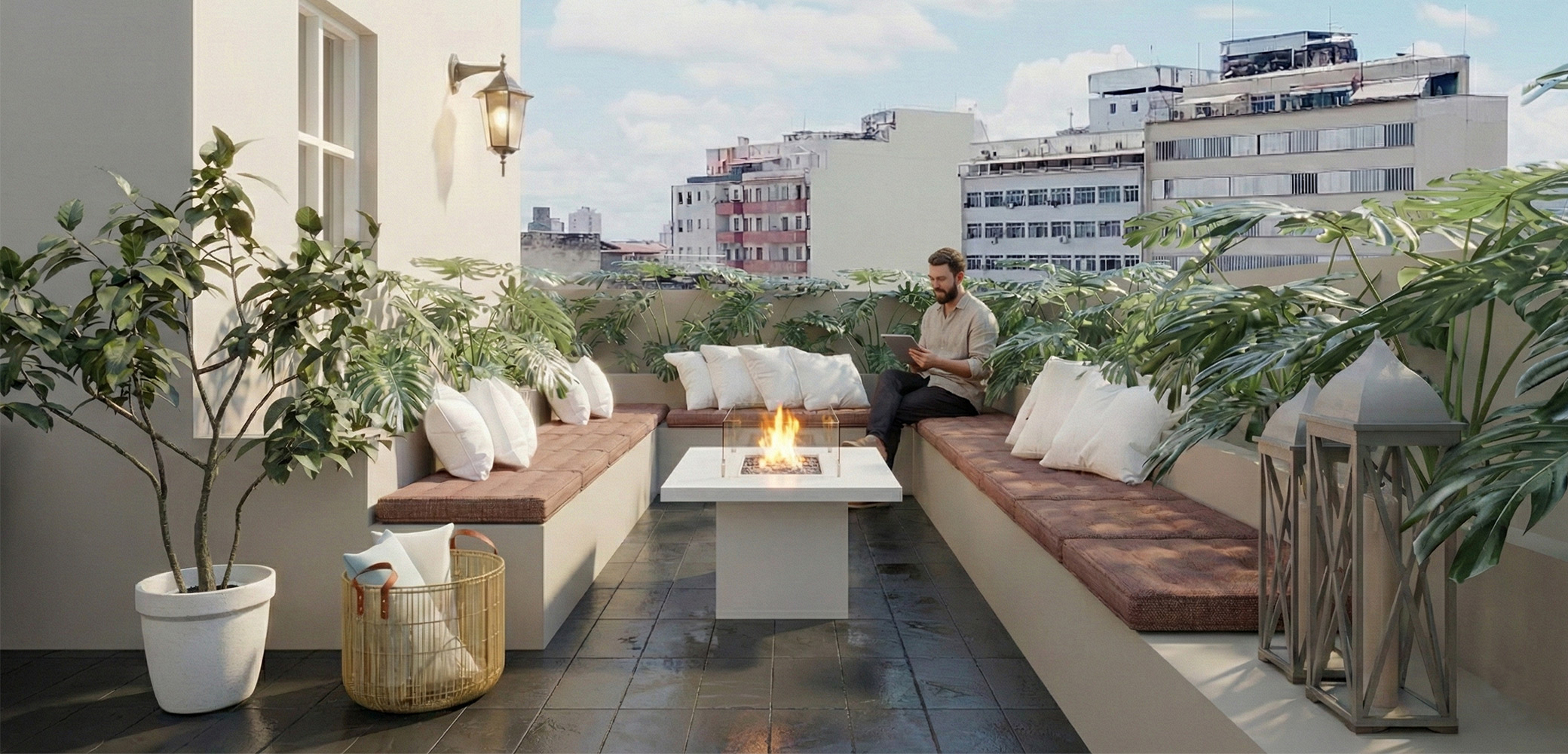
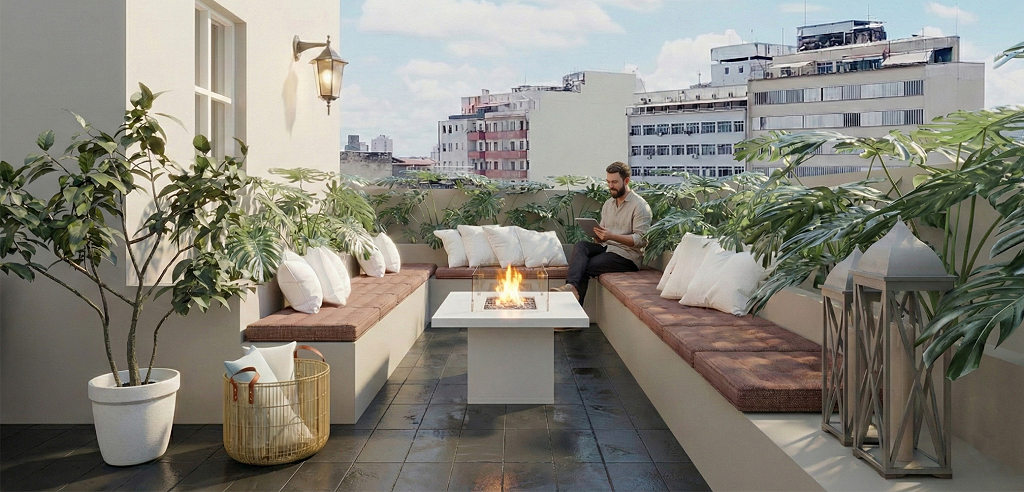
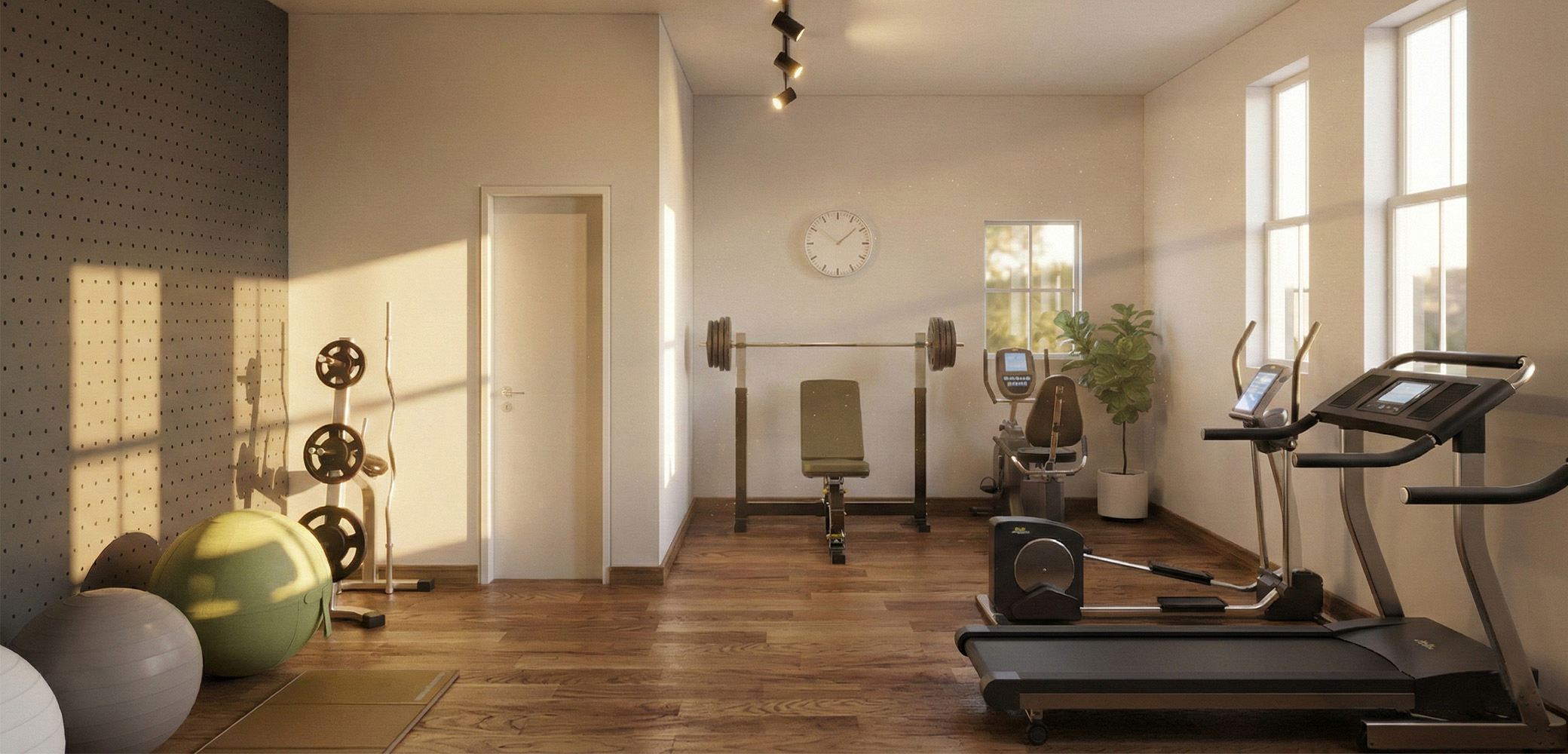
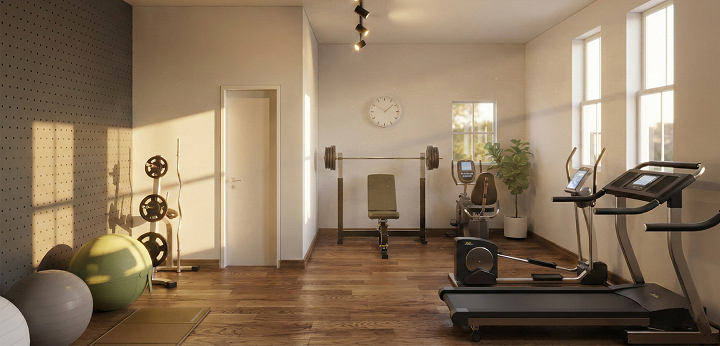
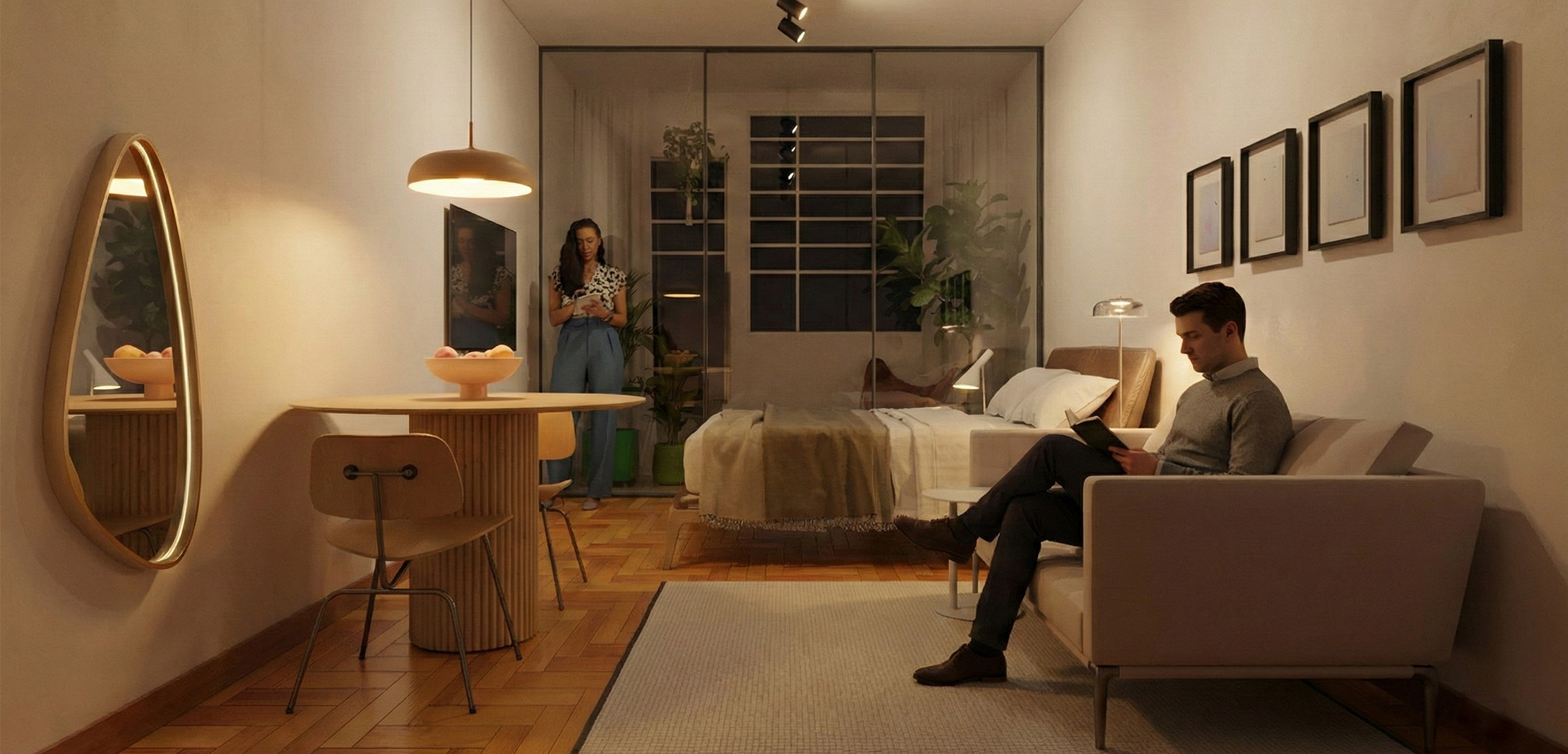
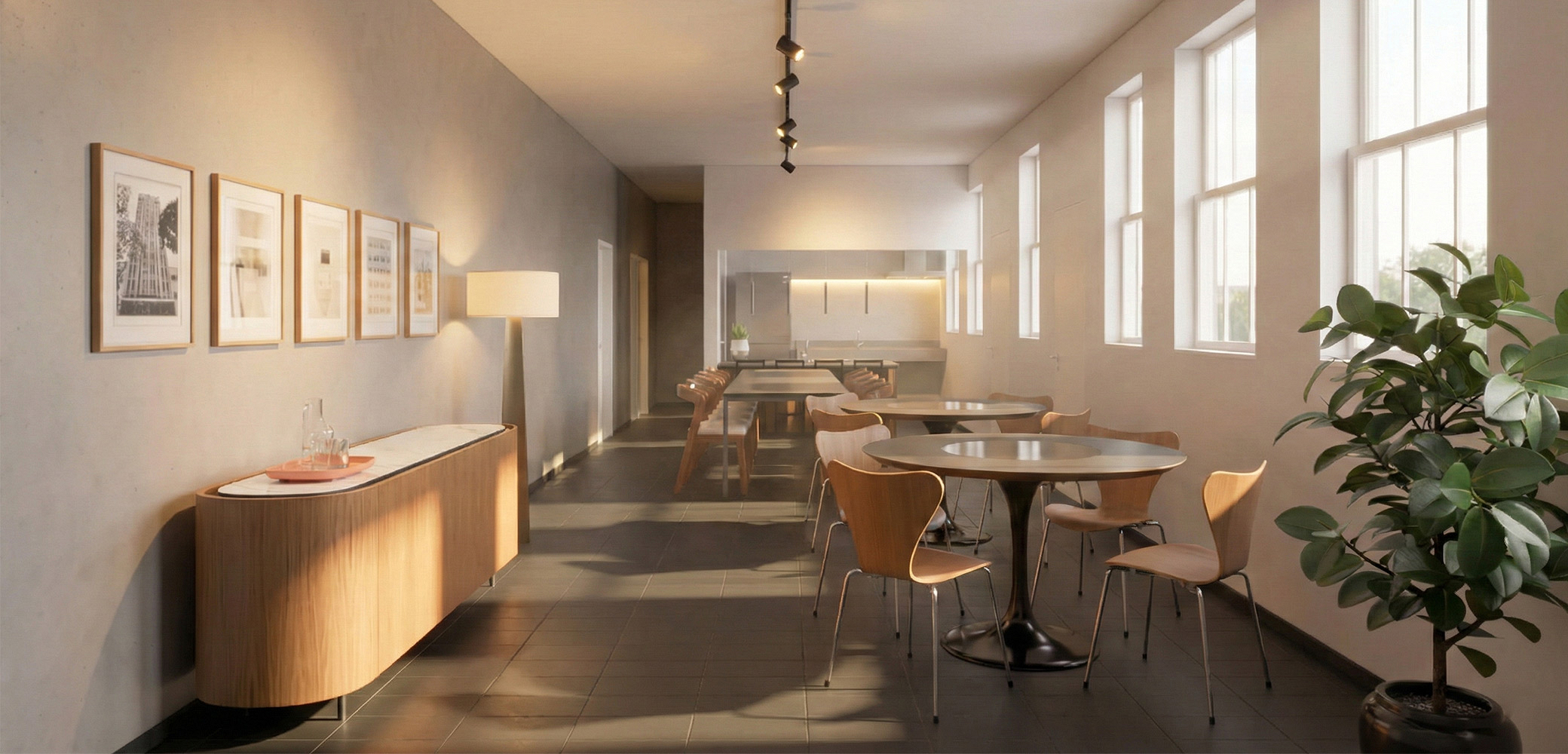
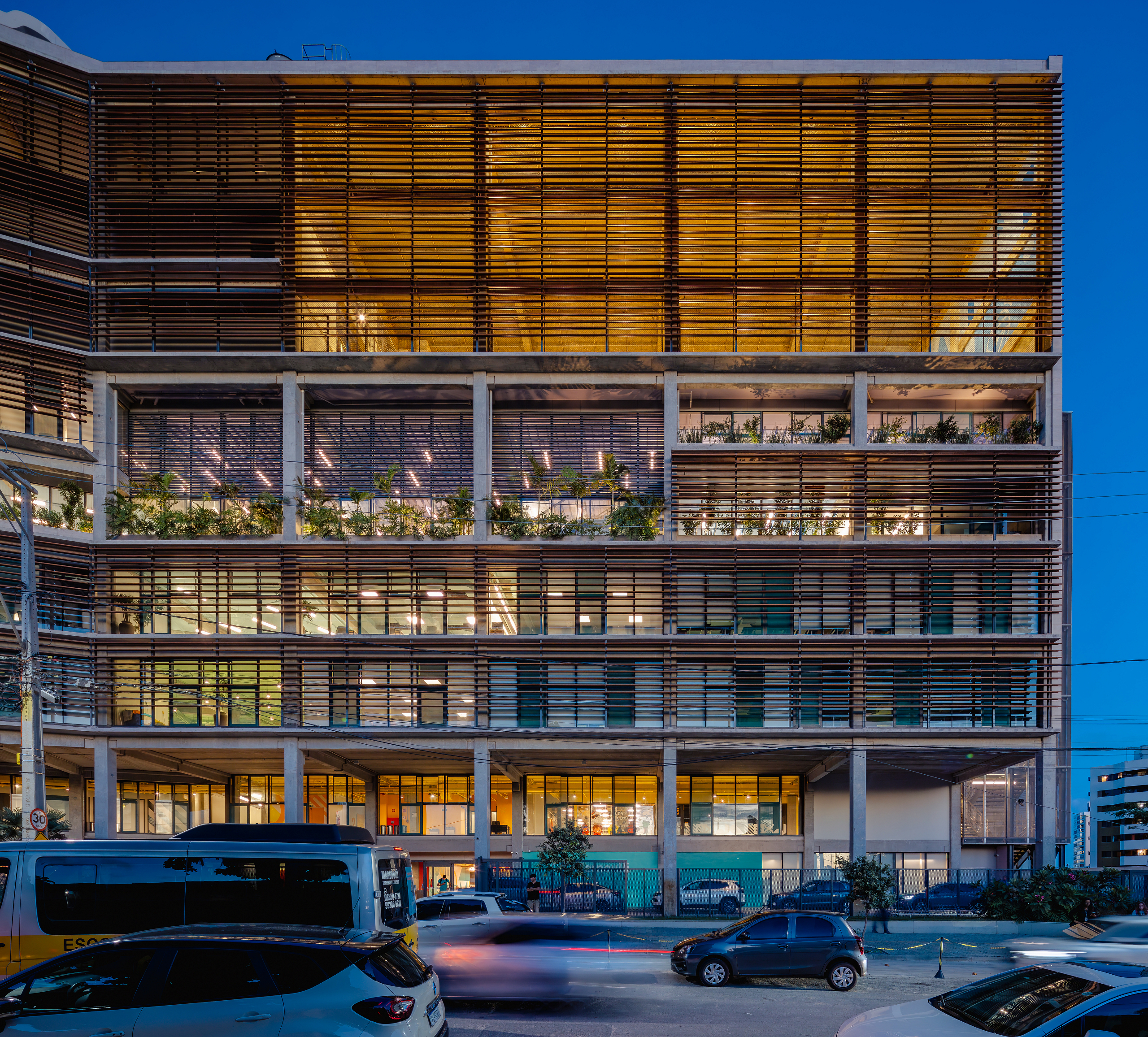
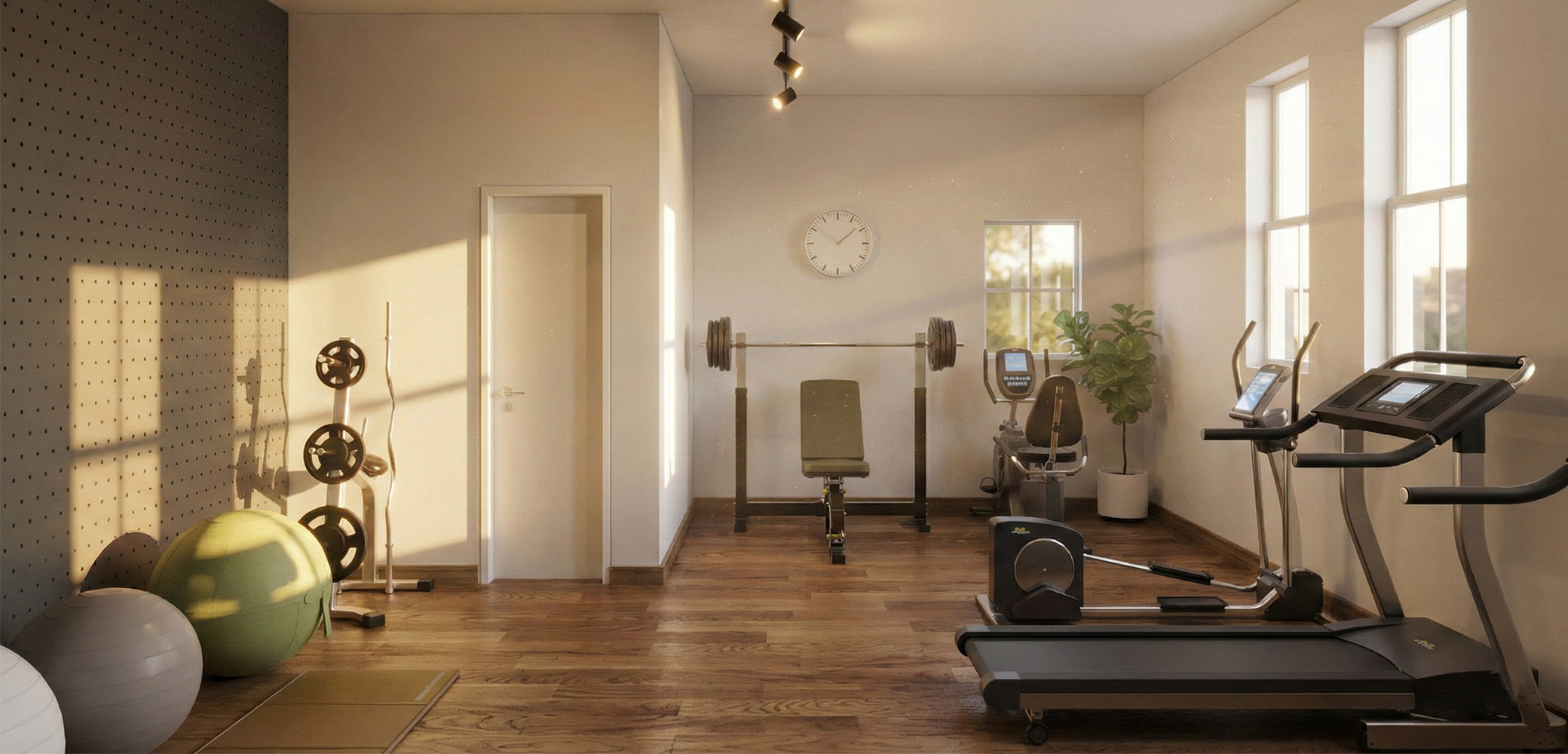
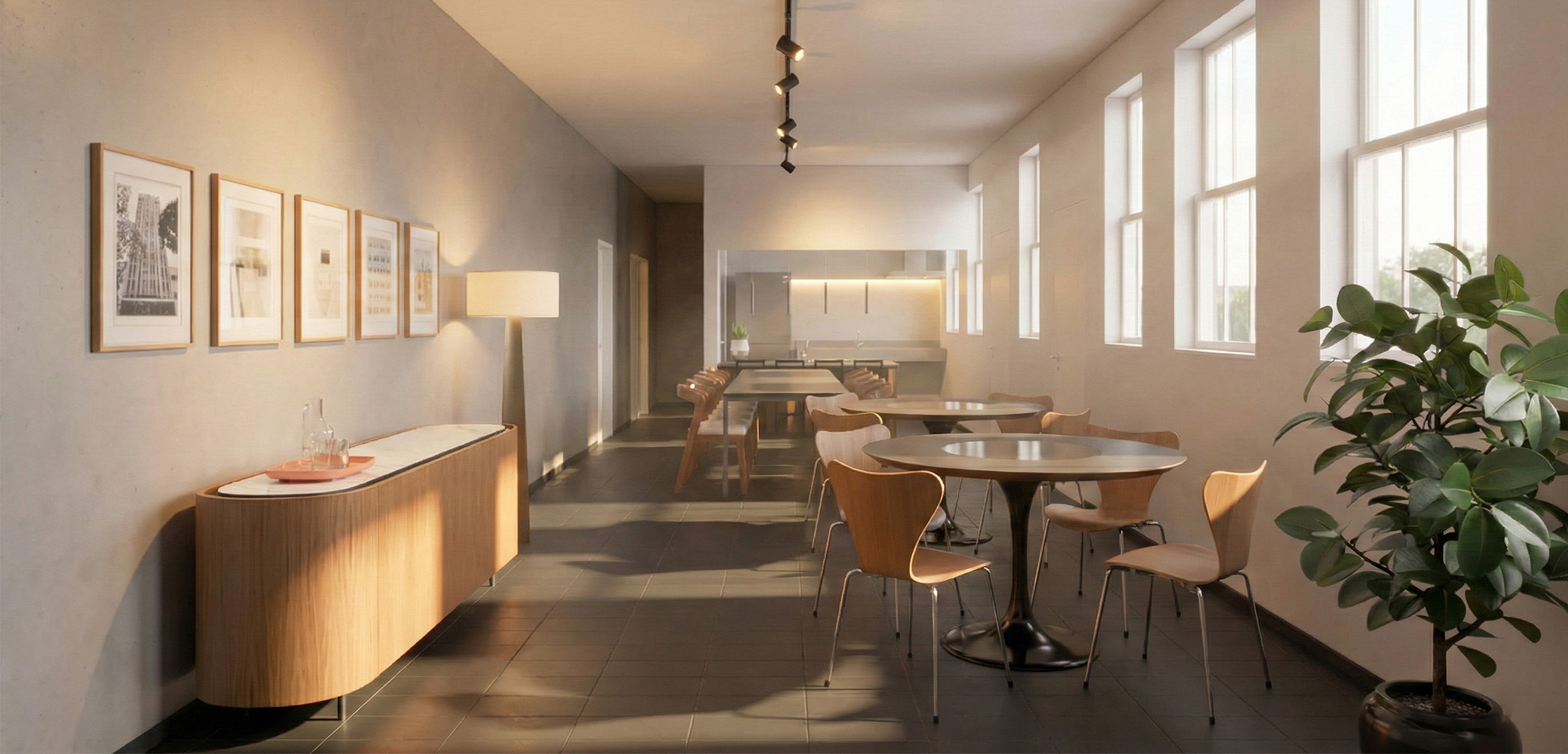
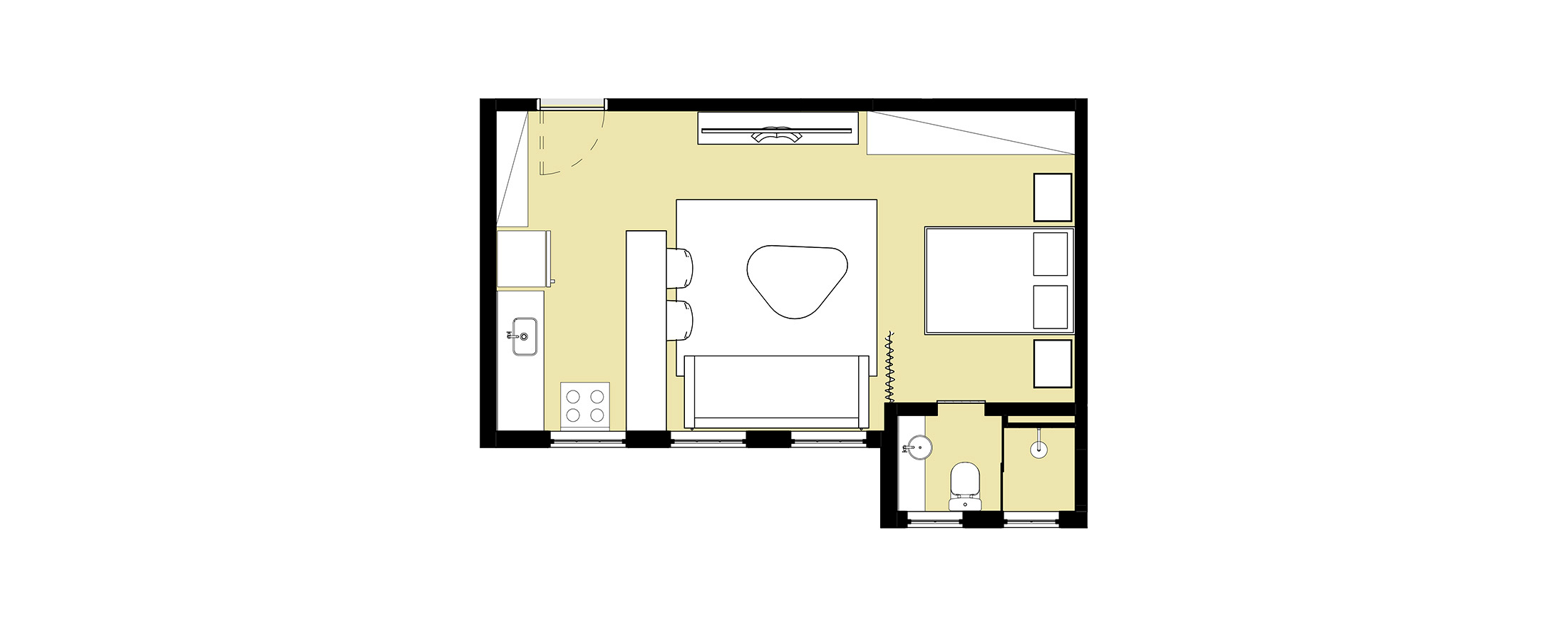
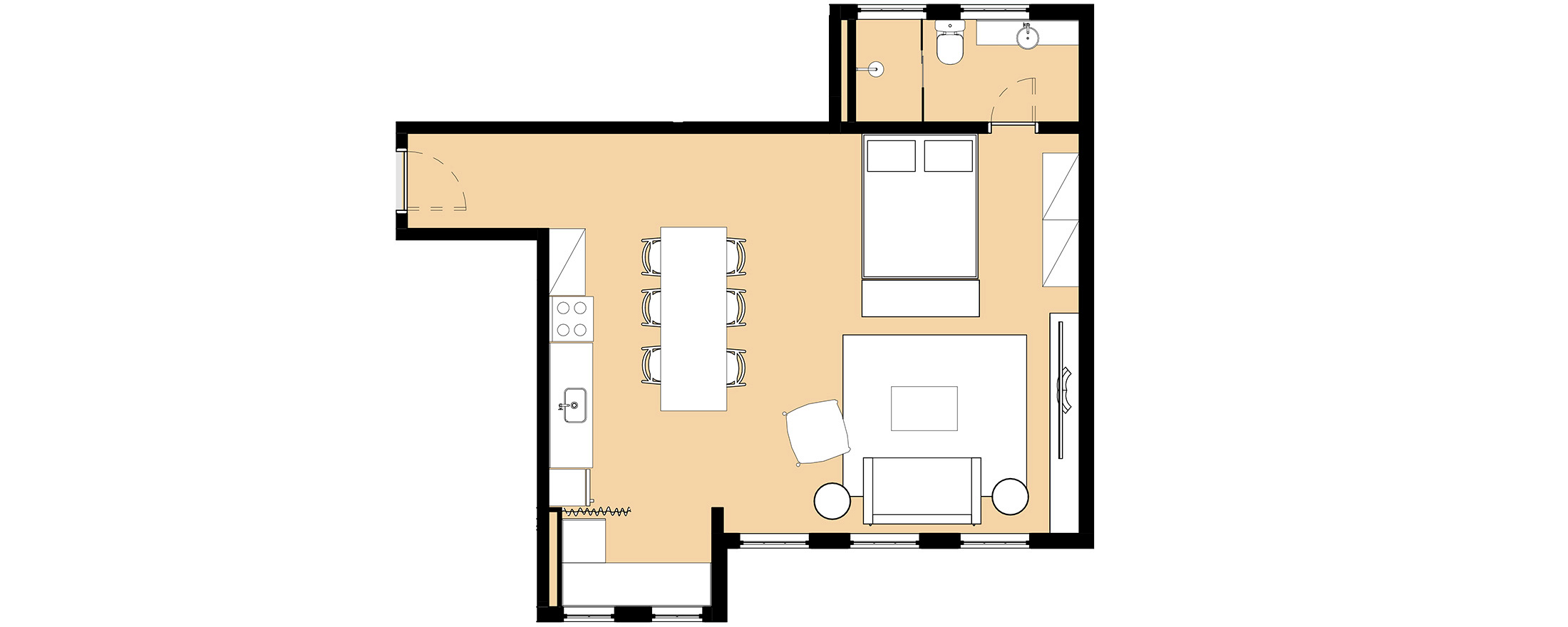
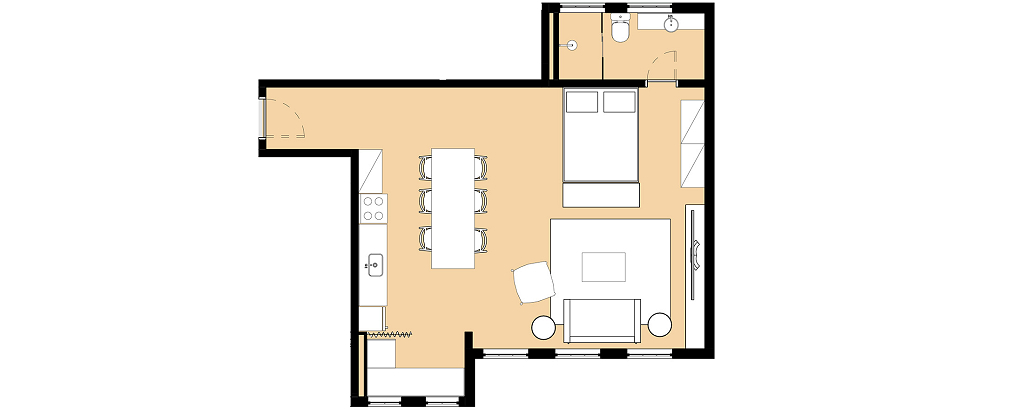
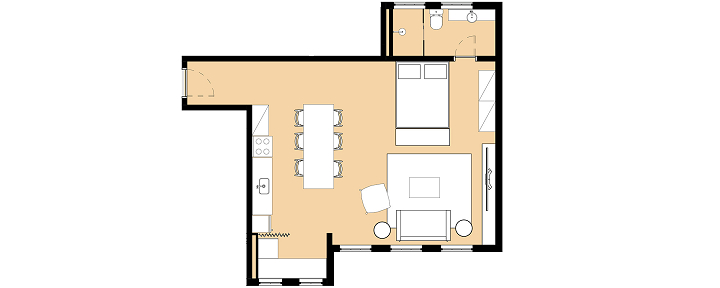
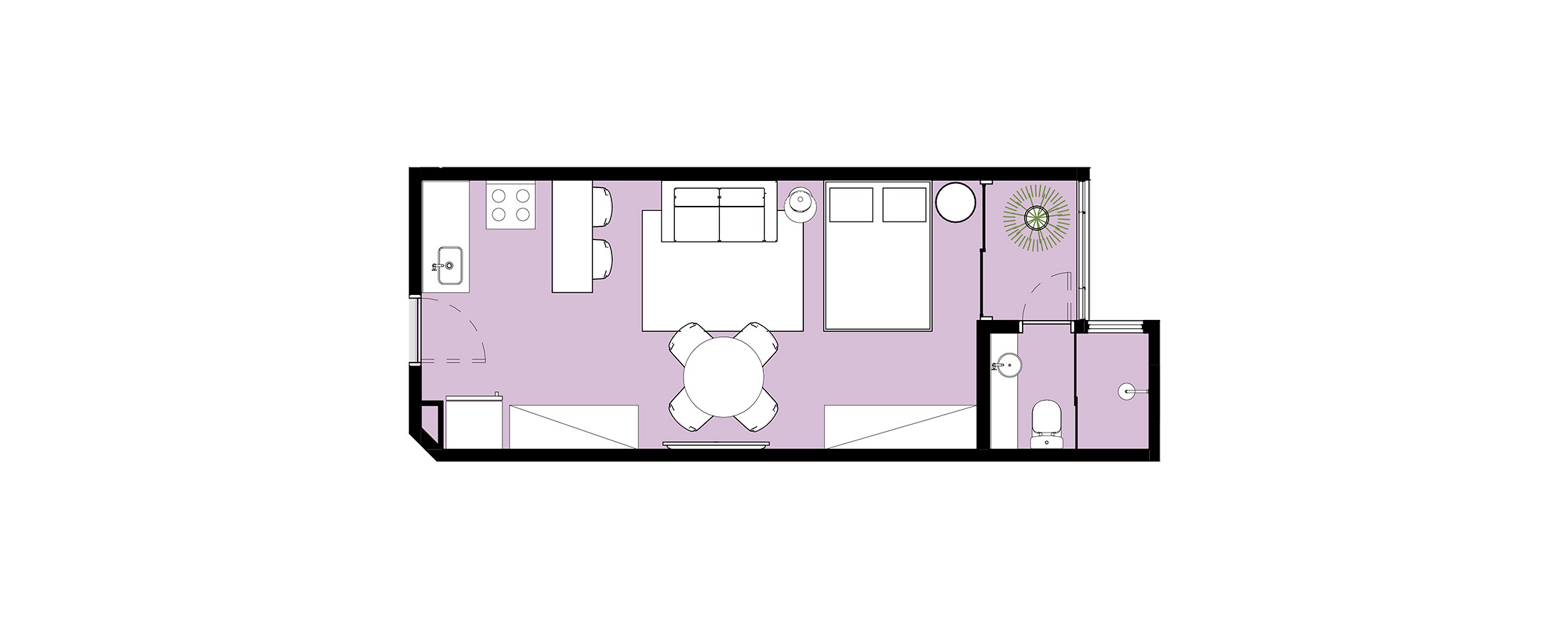
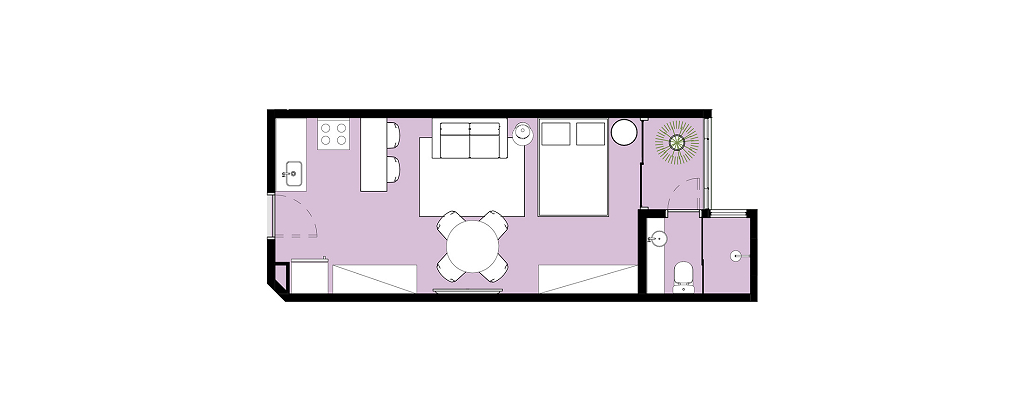
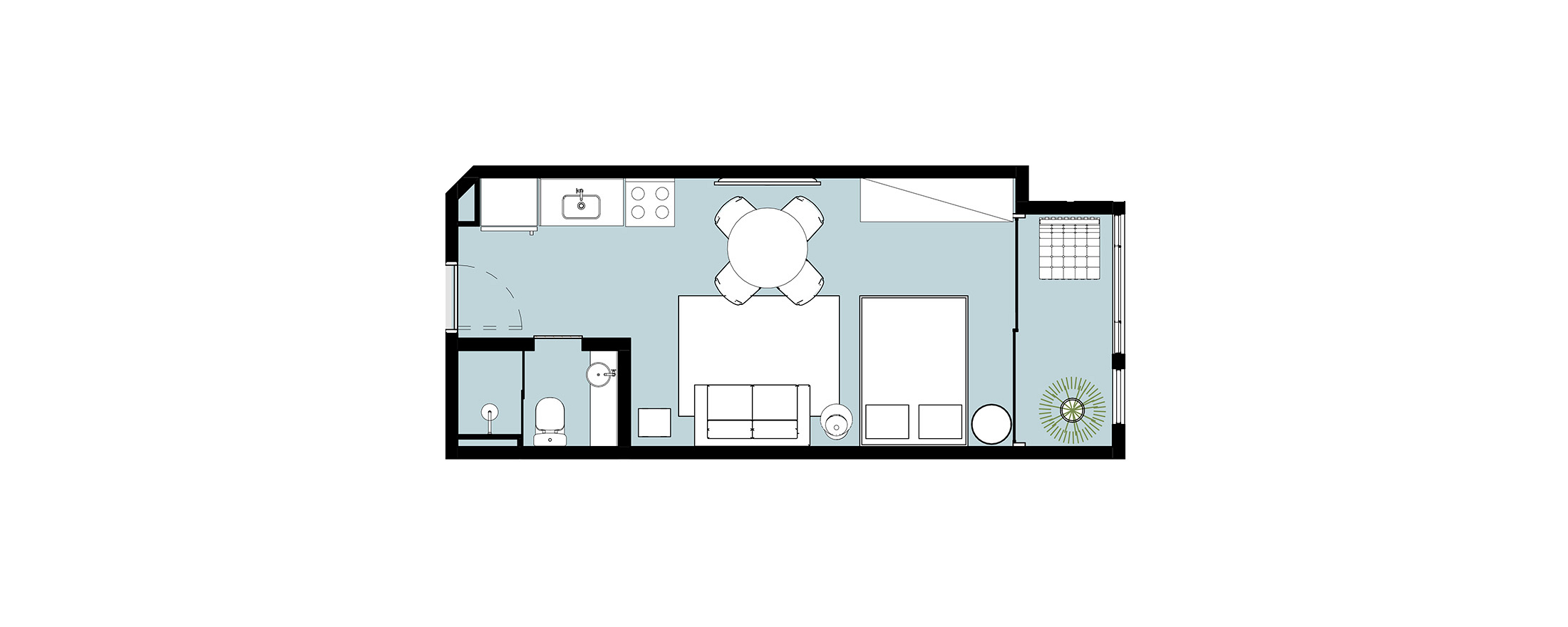
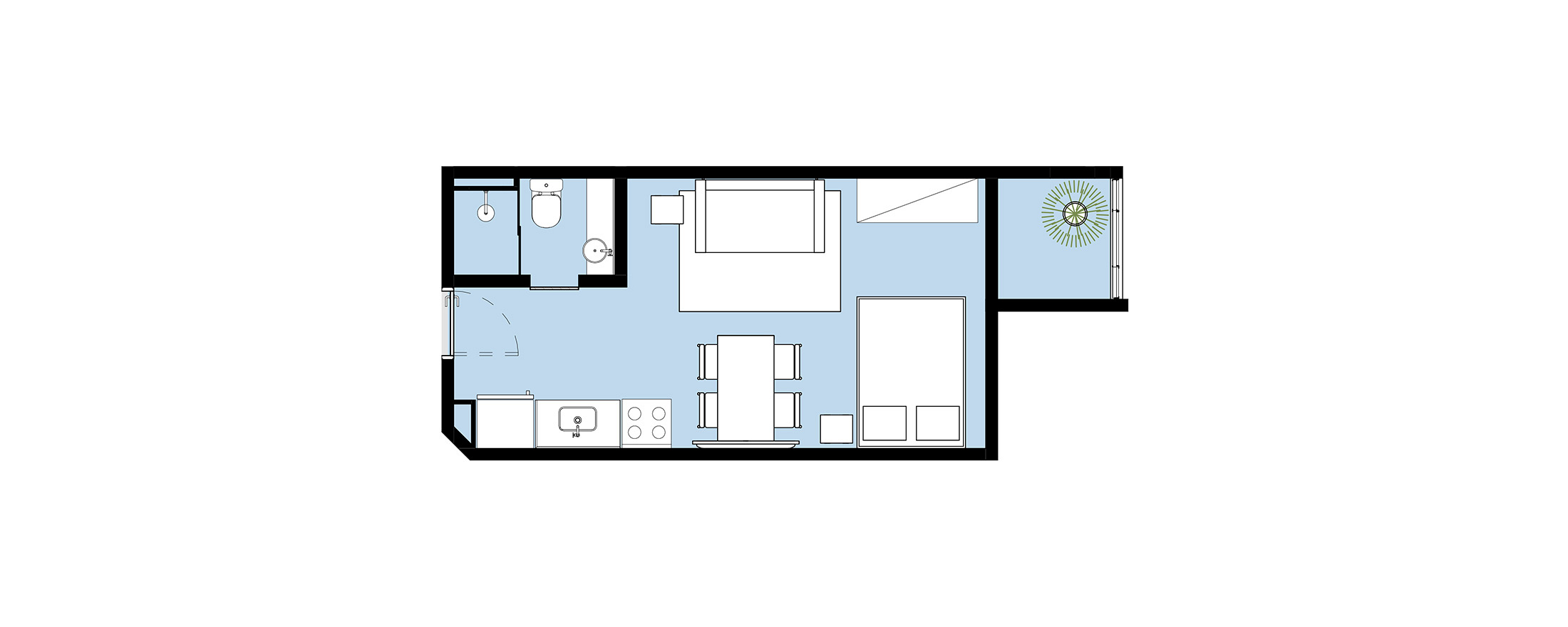
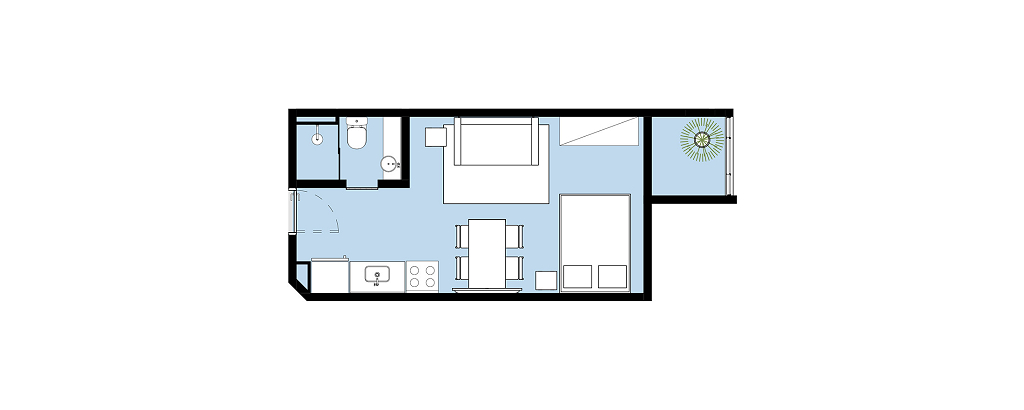
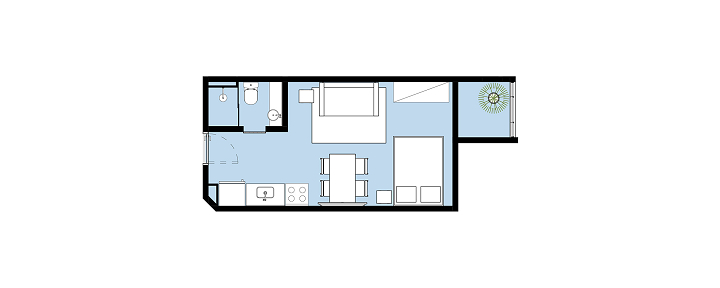
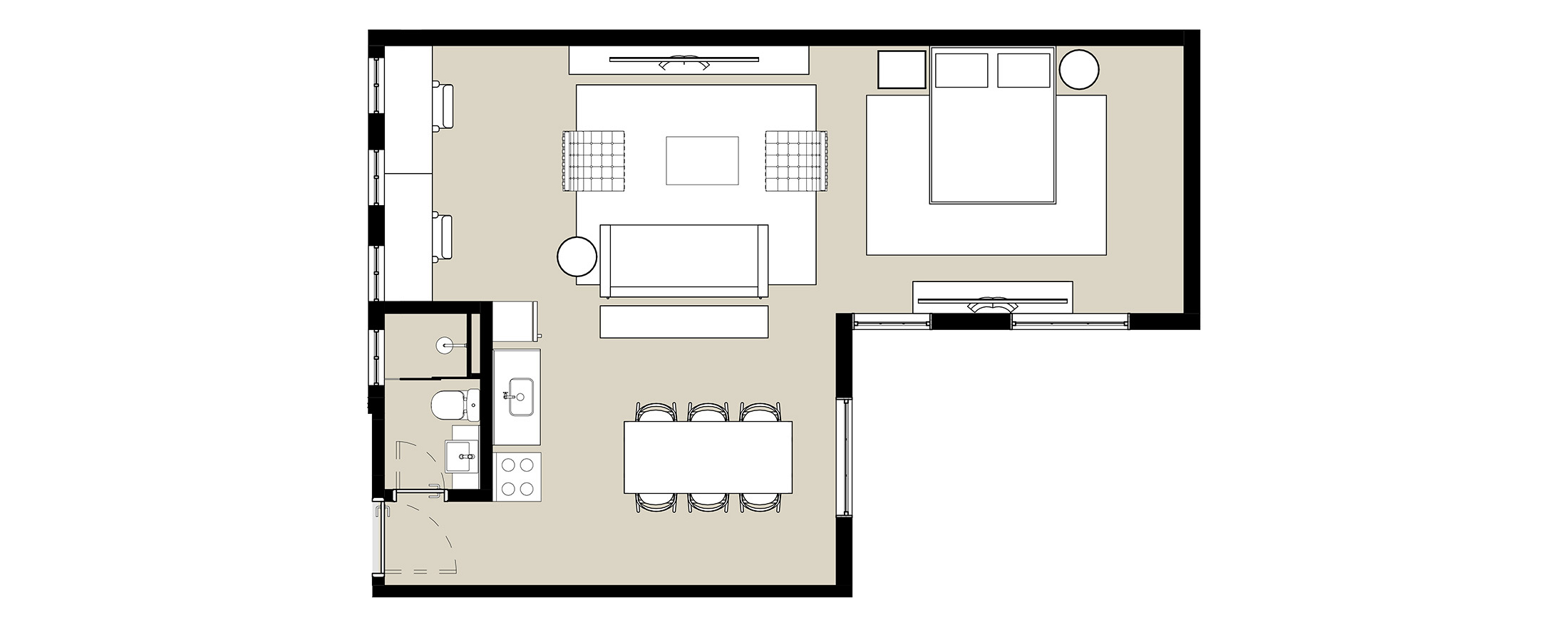
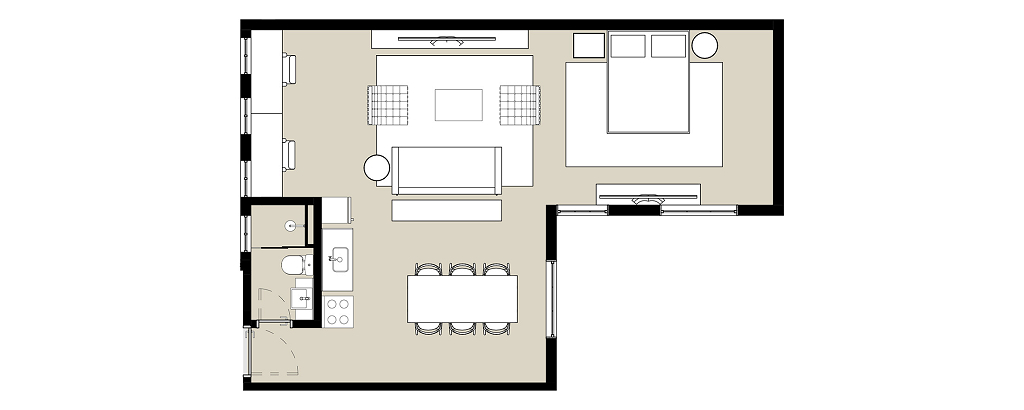
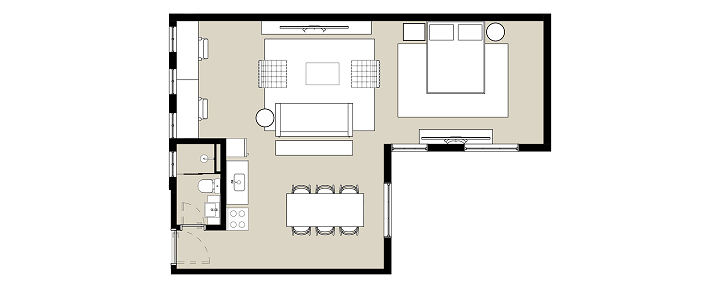
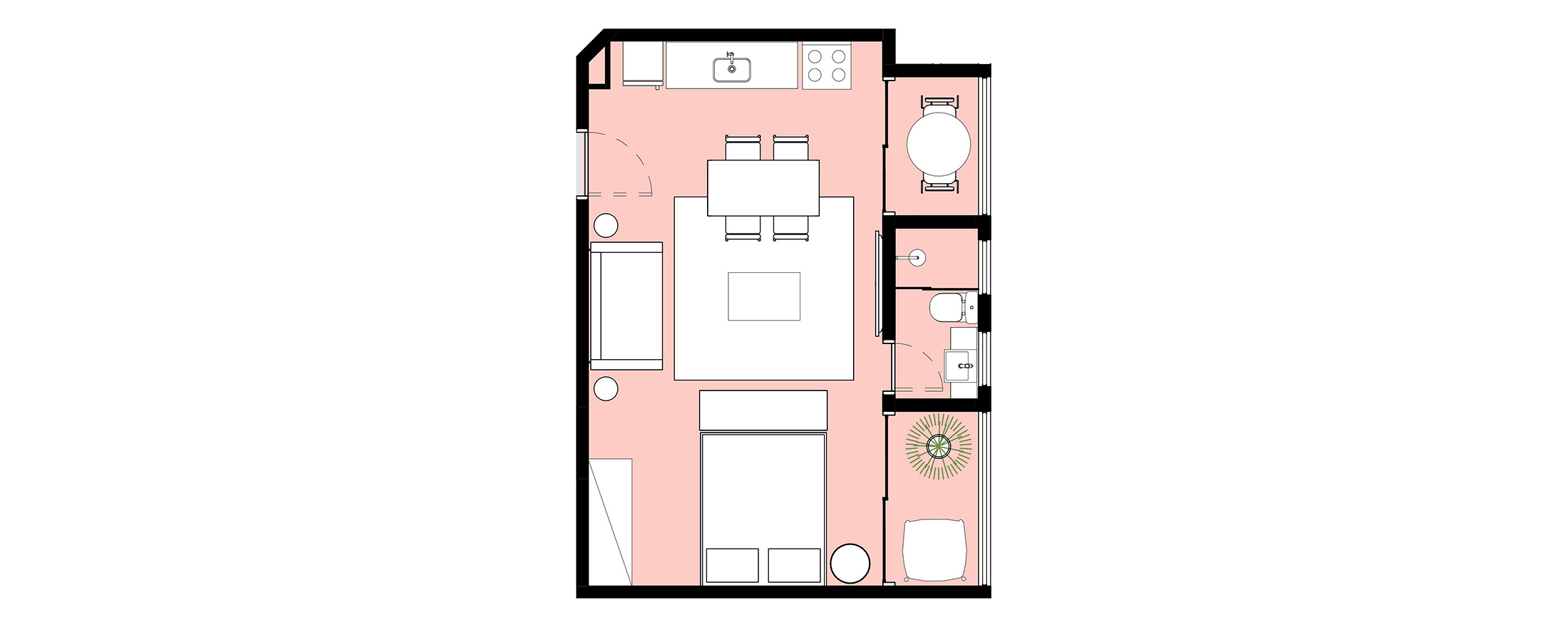
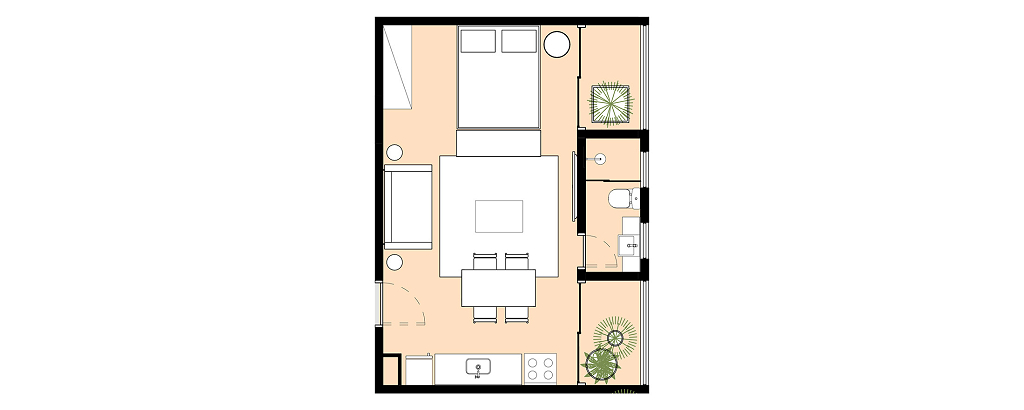
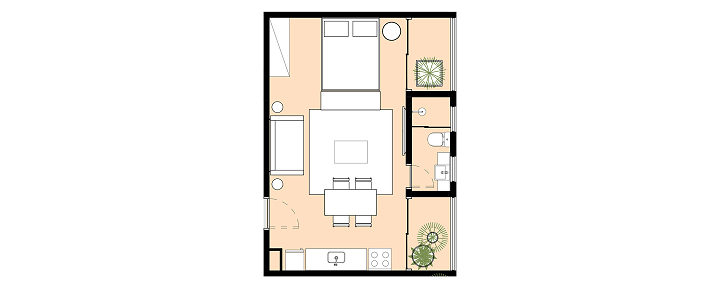
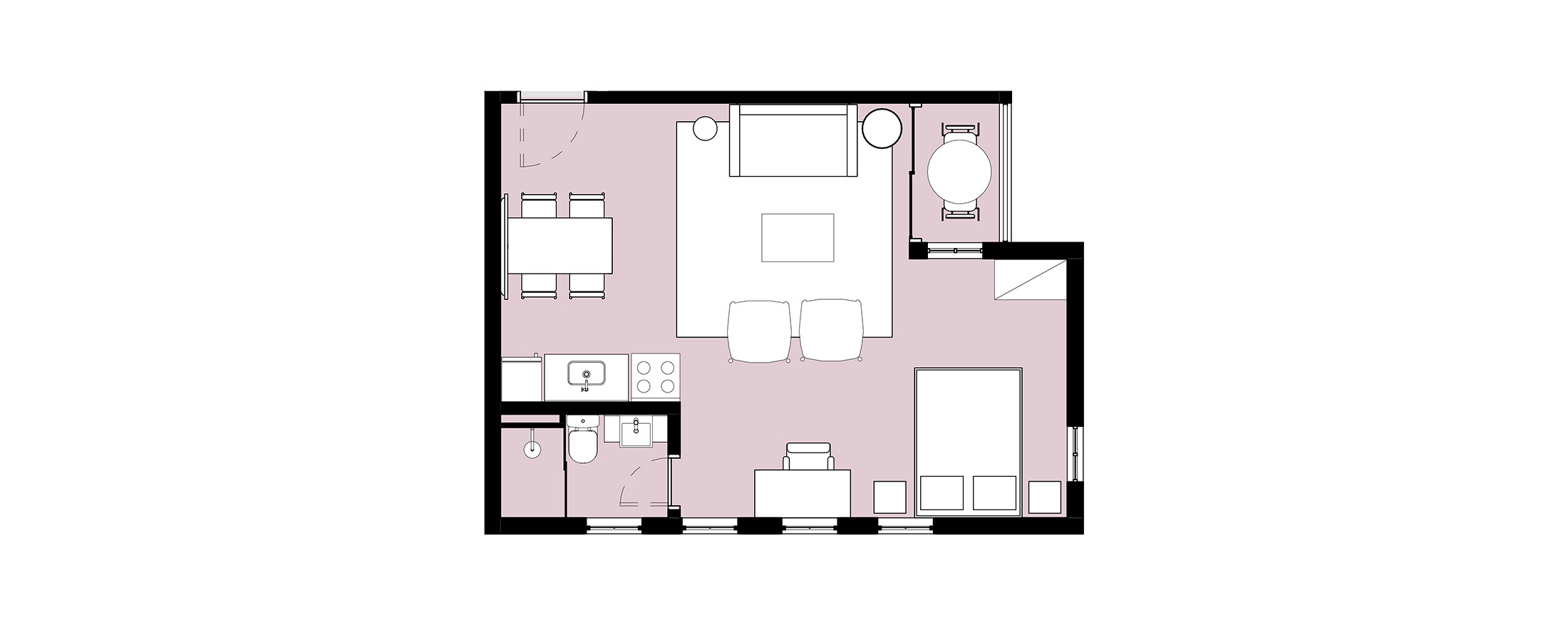
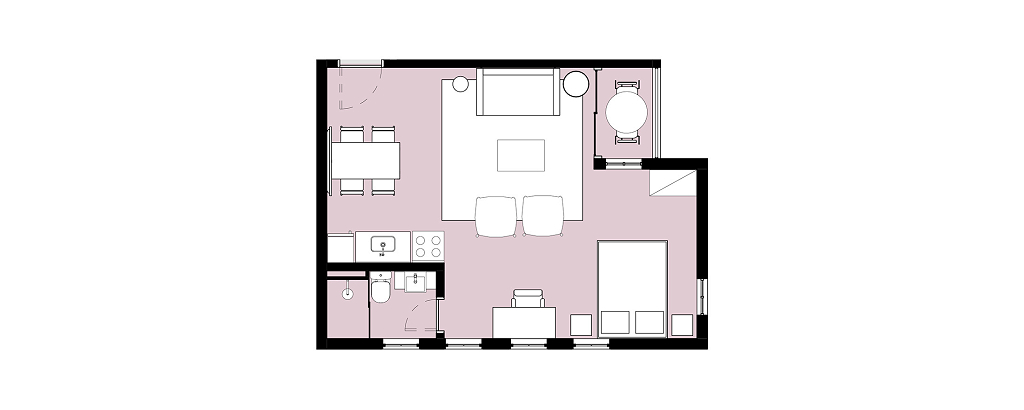
Belo Horizonte, MG, Brazil 2022The retrofit project for the Maranhão Building proposes the requalification of an important Art Deco landmark in the heart of downtown Belo Horizonte, transforming underused commercial spaces into contemporary residential units. The intervention is guided by a careful and respectful approach to the building’s historical and architectural value, preserving its original elements and identity while introducing minimal adaptations to meet current standards of comfort, safety, and functionality. More than a functional transformation, the project positions itself as a strategy for urban revitalization and sustainability, reinforcing the potential of built heritage as an active agent in the renewal of historic city centers.








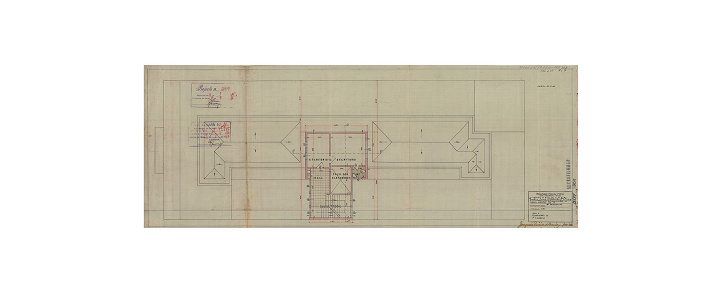
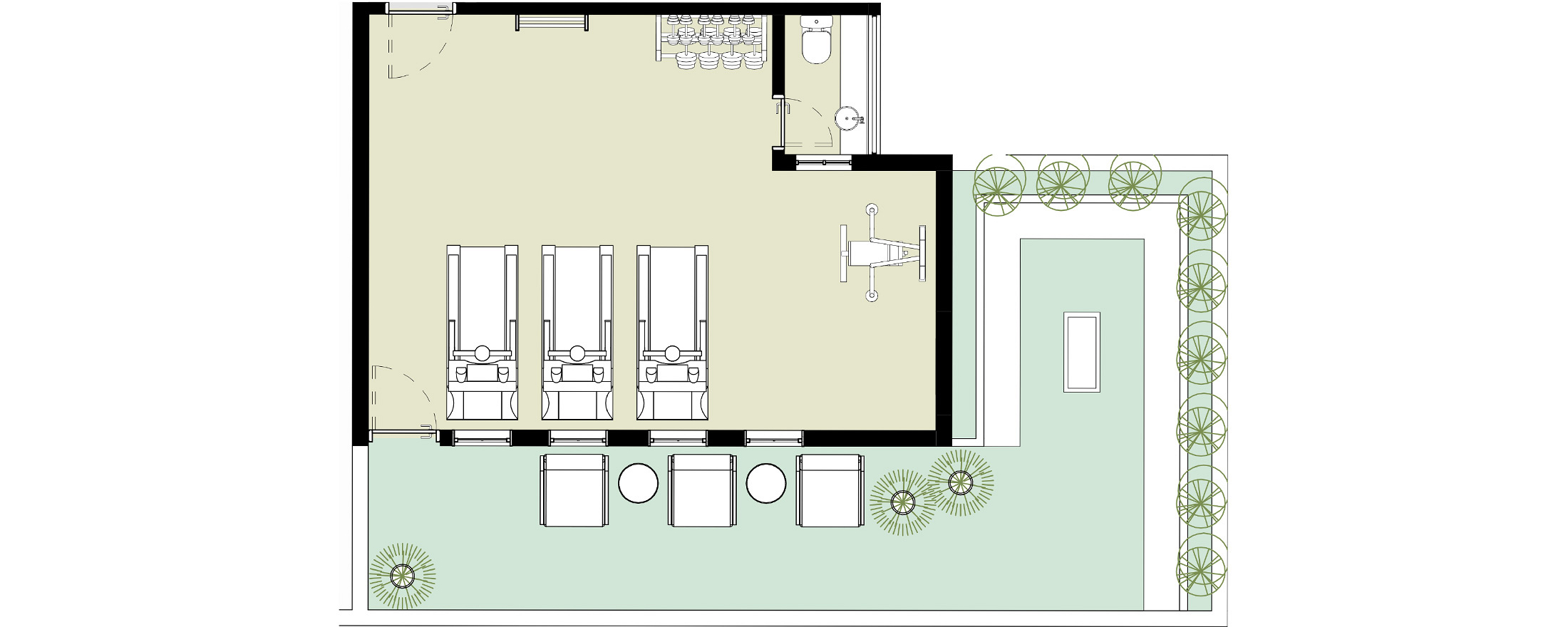

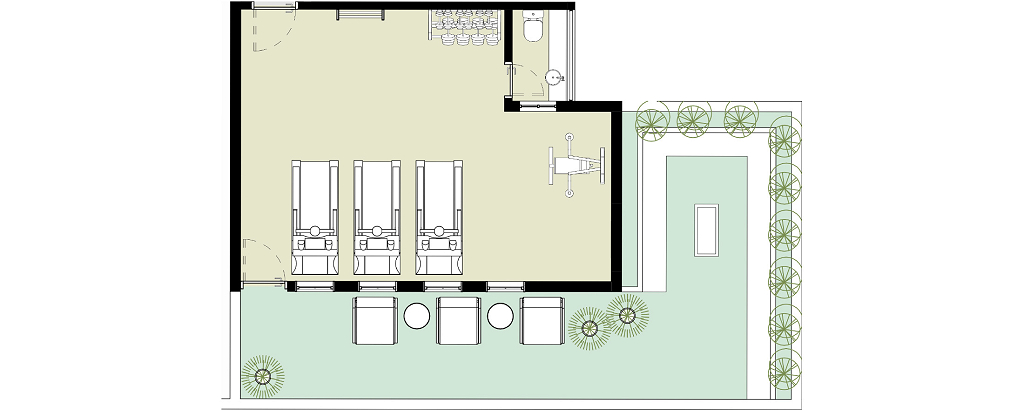




















Maranhão Building Retrofit
The Importance of Retrofitting Underused Commercial Buildings: Revitalizing Urban Centers and Promoting Sustainability
In recent years, growing urbanization and city development have led to the construction of numerous commercial buildings in central metropolitan areas. Over time, however, many of these buildings have been abandoned, resulting in underused and deteriorated spaces. The practice of retrofit—which consists of modernizing and adapting older buildings to meet new demands—emerges as an effective solution for the regeneration and revitalization of urban centers, especially when these buildings are converted into residential use.
Historically, the central areas of large cities were the core of commercial and social activities. However, the migration of companies to peripheral neighborhoods, the development of new business districts, and lack of maintenance led to the abandonment of many buildings in these central areas. This process resulted in a degraded urban landscape, marked by insecurity, loss of historical heritage, and waste of resources.
Transforming abandoned commercial buildings into residential spaces can drastically change this scenario. Unlike a simple renovation, retrofit seeks to renew older buildings by adapting them to current standards of safety, comfort, and energy efficiency without compromising their original structure. This approach not only improves building performance but also makes them suitable for new forms of use.
The conversion of commercial buildings into residential units brings numerous social benefits, one of the most significant being urban revitalization. Renovating these buildings makes central areas more attractive to residents and visitors alike. As these spaces become housing, the resident population increases, generating constant activity and improving safety in the area. New residents stimulate local commerce, create demand for services, and enhance quality of life, promoting economic and social renewal.
In addition, retrofit transforms spaces often associated with crime and insecurity into safe and livable environments, improving the quality of life for both residents and visitors. This practice also preserves historical heritage, keeping the city’s history and cultural identity alive.
From a sustainability perspective, retrofit offers significant advantages. Older buildings, which are often energy inefficient, can be upgraded with technologies such as thermal insulation, efficient lighting systems, and renewable energy sources, reducing energy consumption and carbon emissions. Renovating existing buildings avoids demolition and the resulting generation of large amounts of construction waste, contributing to waste reduction and the sustainable use of resources. Reusing existing structures also reduces the need for new construction, helping to limit urban sprawl and preserve green areas and natural resources.
However, retrofit projects face challenges. The need for substantial investment, the complexity of interventions in older structures, and the bureaucracy associated with permits and regulations are obstacles that must be addressed. Public incentive policies, public–private partnerships, and broader societal awareness are essential to make such projects viable.
In summary, the retrofit of abandoned commercial buildings in city centers, converting them into residential use, plays a crucial role in the regeneration and revitalization of urban cores. Beyond social benefits such as urban renewal, increased safety, and the valorization of historical heritage, this practice promotes sustainability by improving energy efficiency, reducing waste, and optimizing land use. Investing in retrofit is an investment in the future of cities, transforming abandoned spaces into vibrant and functional places that meet contemporary demands while respecting historical and cultural roots.
Maranhão Building
Rua dos Tupinambás, 360 – Downtown, Belo Horizonte, MG, Brazil
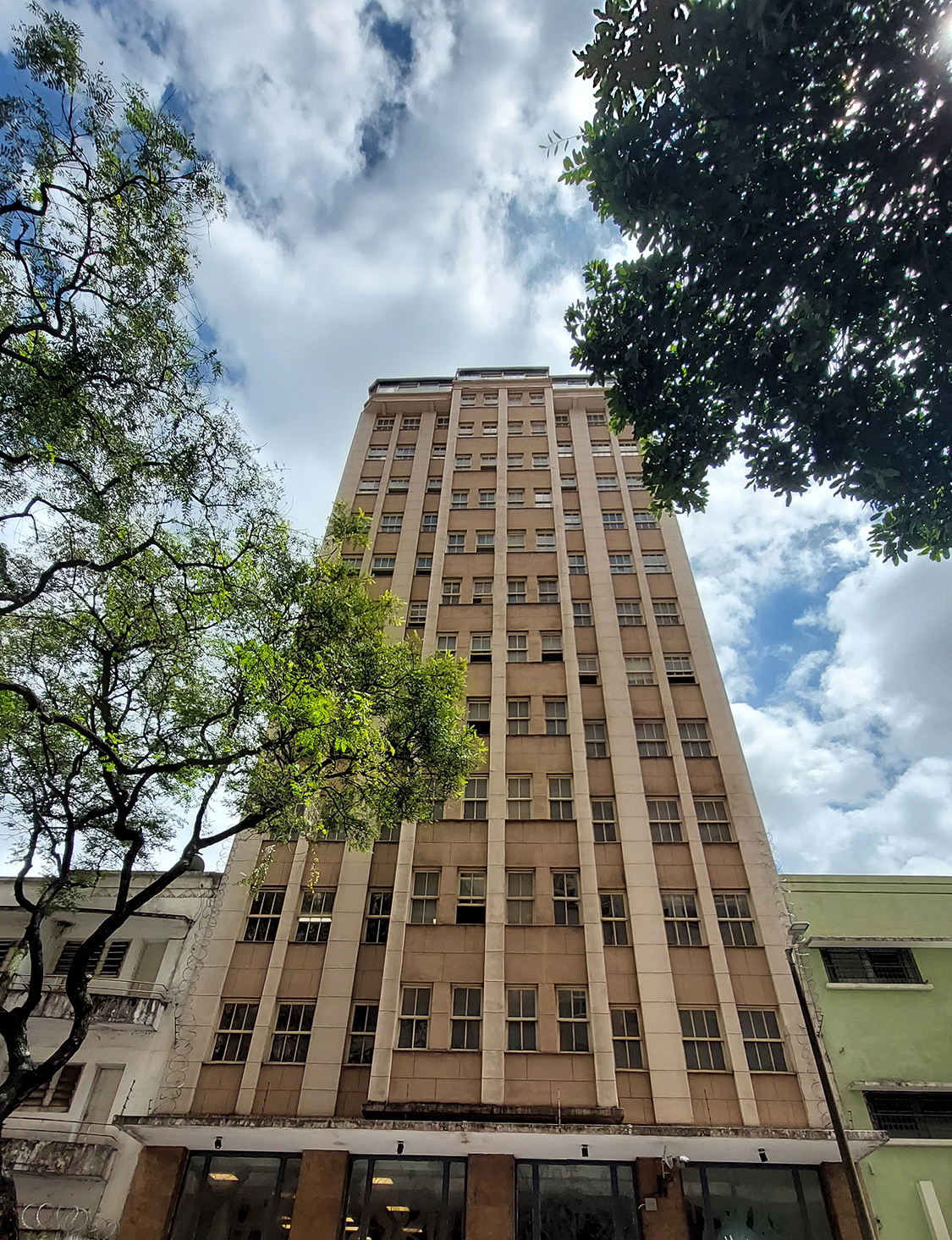
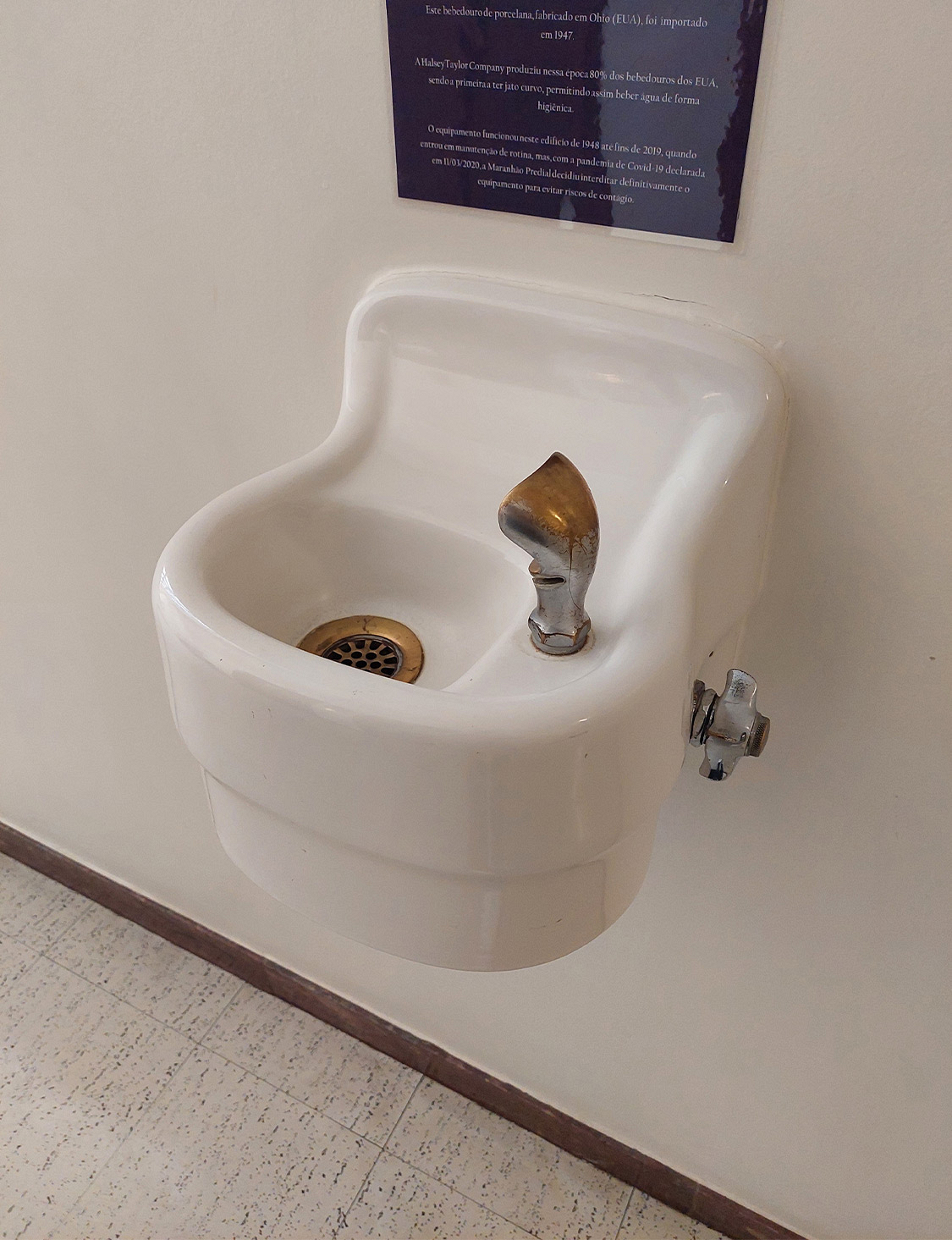
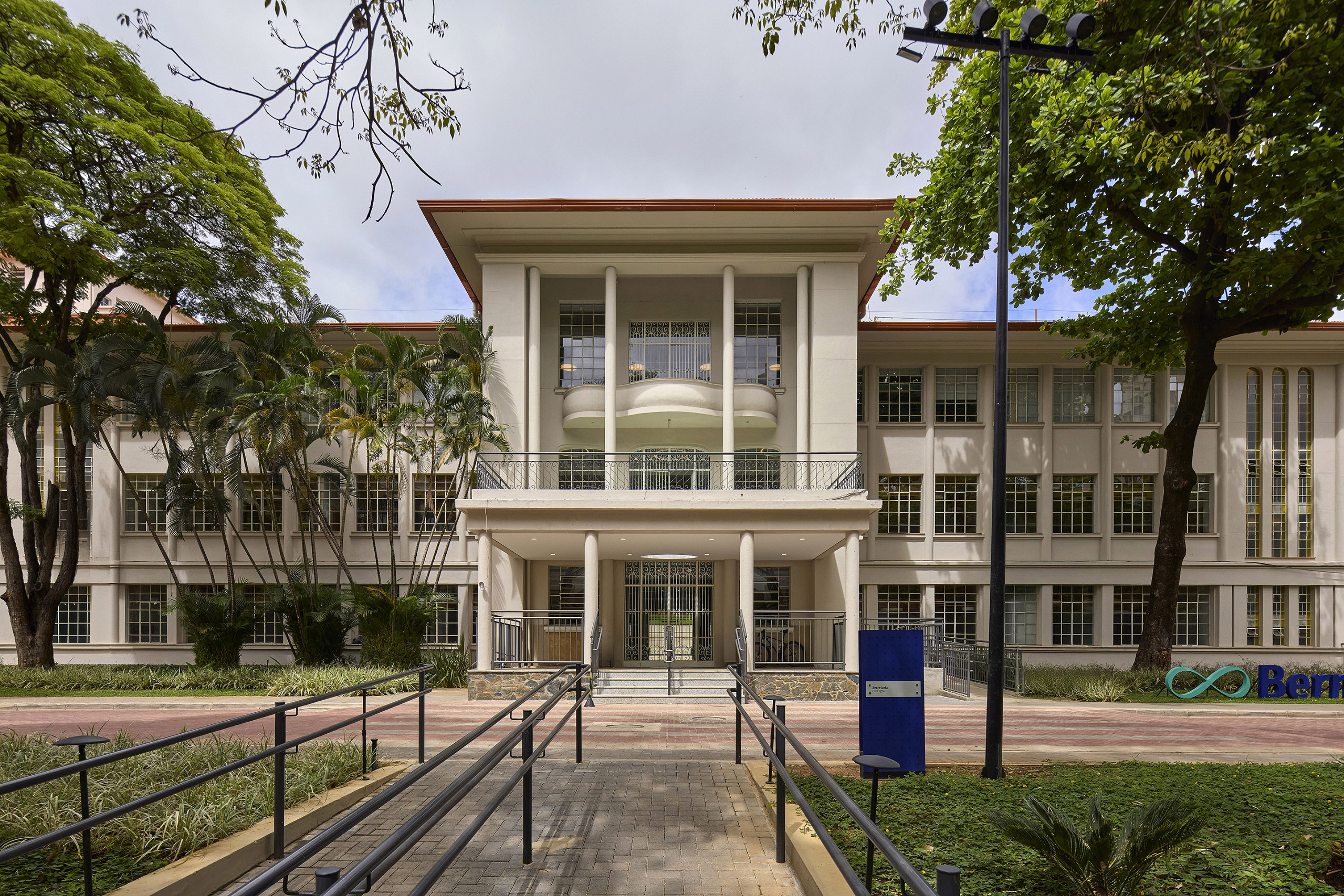
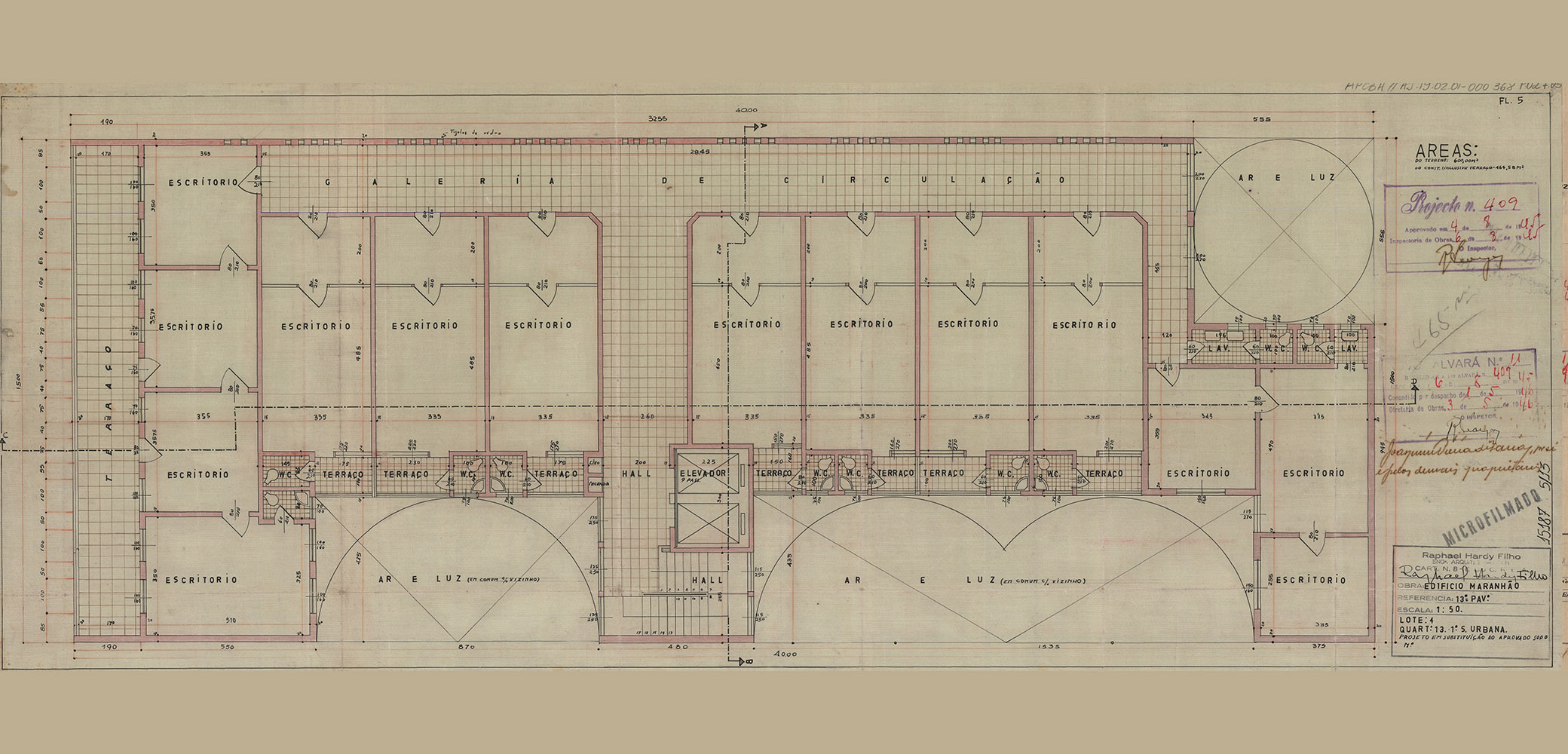
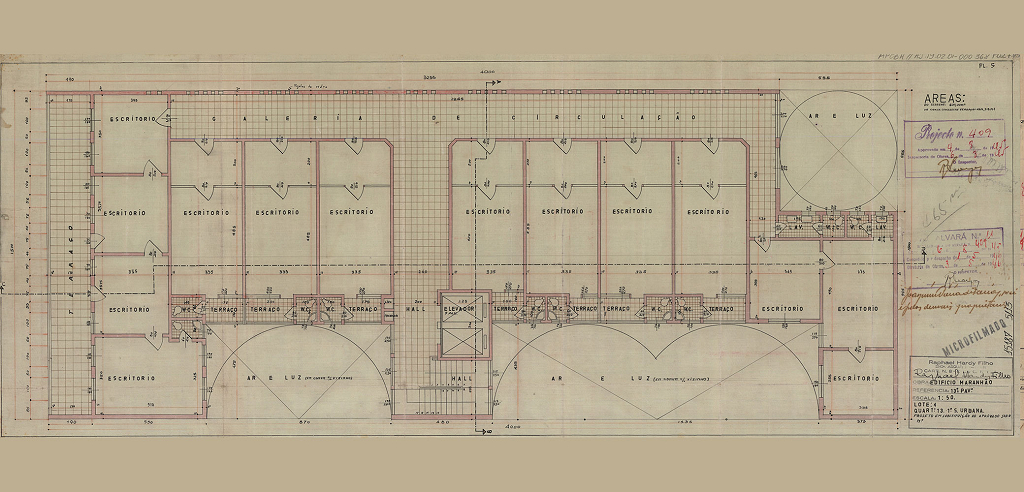
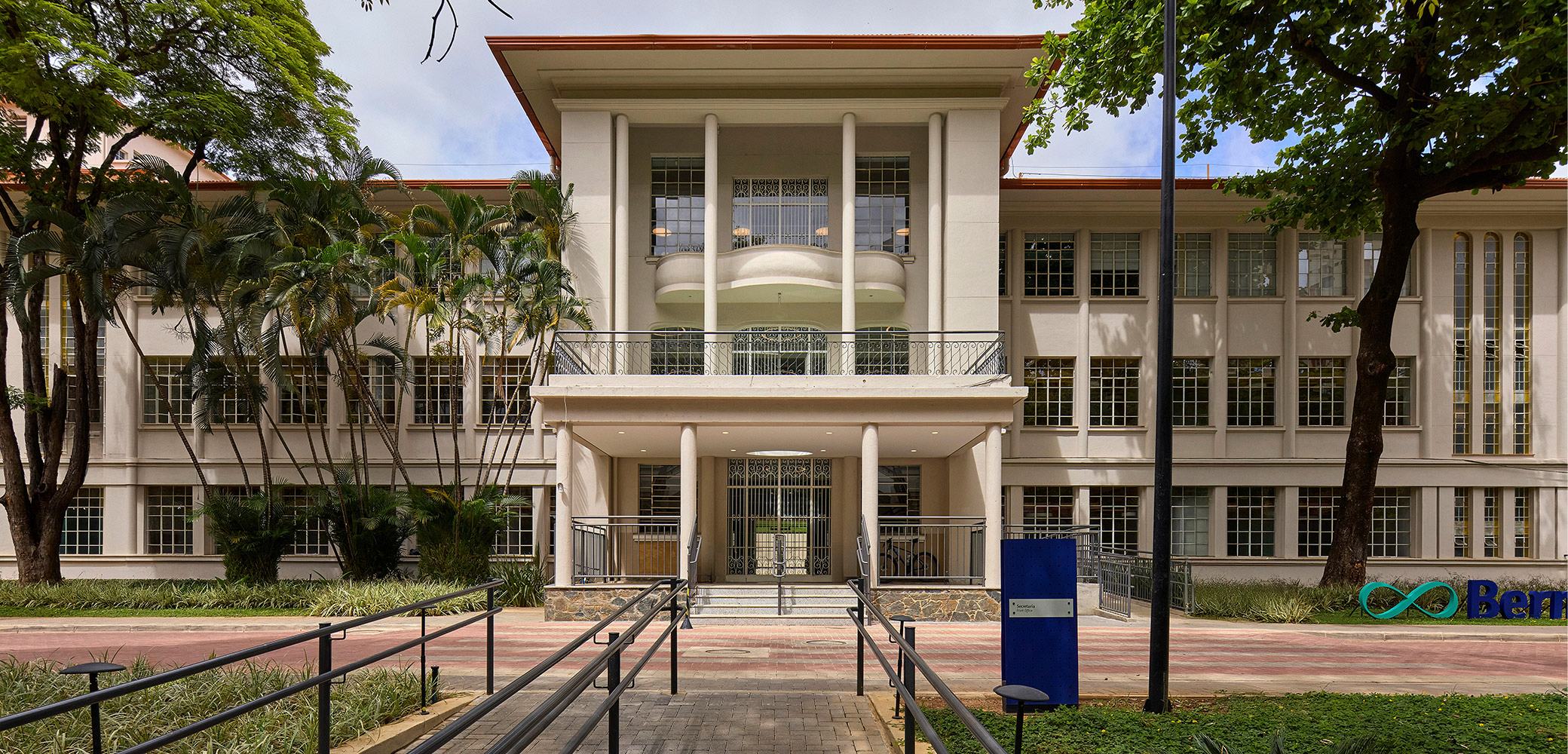
The Maranhão Building, located on Rua dos Tupinambás in Belo Horizonte, is an icon of the city’s architecture. Built between 1946 and 1947 in the Art Deco style, it was designed by Raphael Hardy Filho and inaugurated in 1948. The building is a significant example of the transition between Art Deco and early modernism in the capital of Minas Gerais. It is currently impeccably preserved by its owners, yet stands vacant and underused as commercial space.
Situated on a quiet stretch of the street, between Espírito Santo and Rio de Janeiro avenues and directly facing Cine-Theatro Brasil Vallourec, the Maranhão Building offers a unique experience amid the bustle of the city, occupying a privileged location in the downtown area. With no bus circulation and minimal traffic, the site conveys a sense of calm and seclusion that is unusual for the heart of a metropolis.
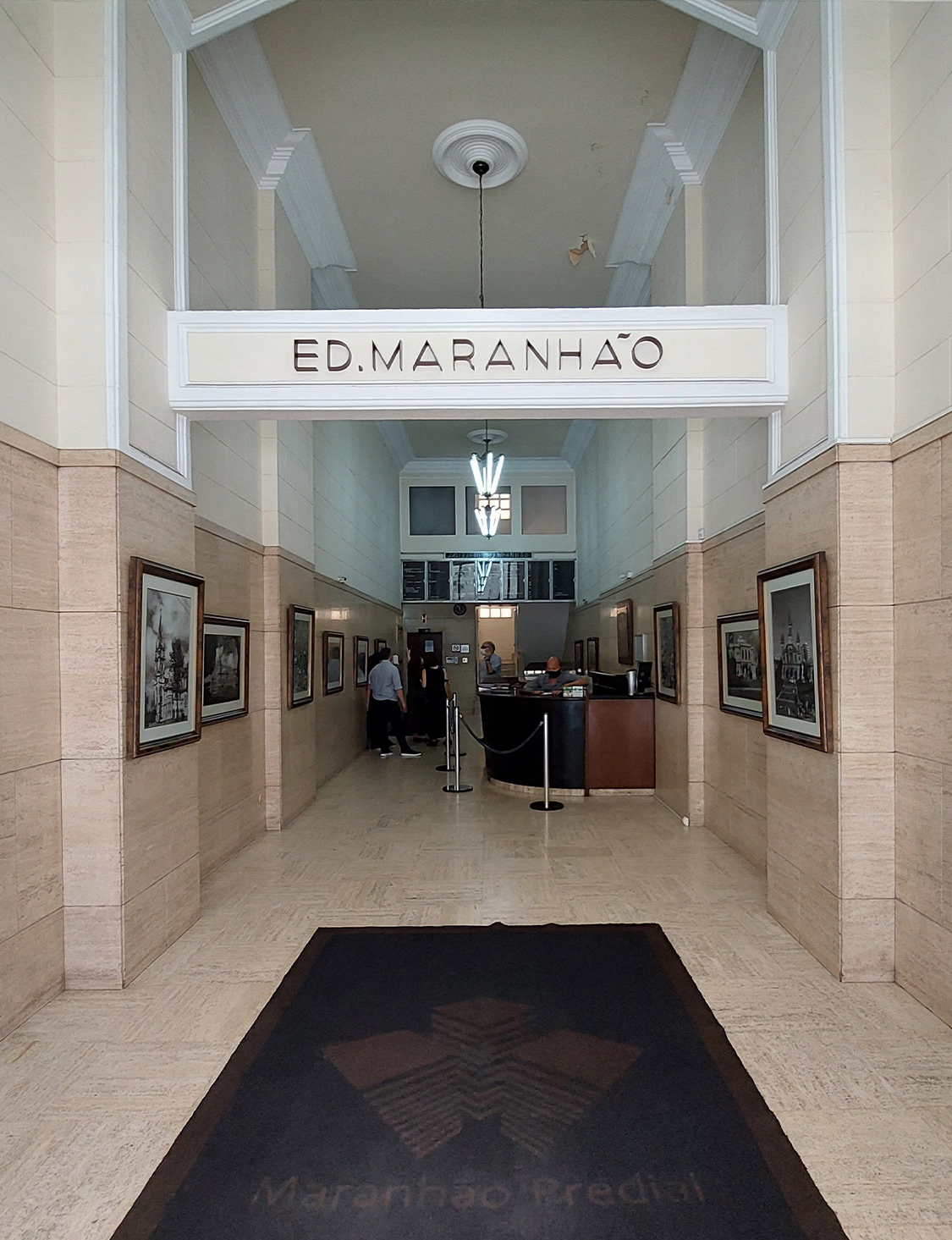
Upon entering the building, visitors are welcomed by a grand entrance hall with double-height ceilings, featuring historical photographs of downtown Belo Horizonte in which the building itself appears prominently. Marble flooring and baseboards, rusticated walls, and a volumetric cornice frame the space, creating an atmosphere of elegance and monumentality. Original chandeliers hang from the ceilings, completing the setting with a sense of restrained sophistication.
On the upper floors, the elevator halls and common areas retain much of their original character. The only significant alteration is the vinyl flooring installed in the 1960s over the original terrazzo. Solid wood panels and doors remain as originally designed, preserving the integrity of the architectural project.
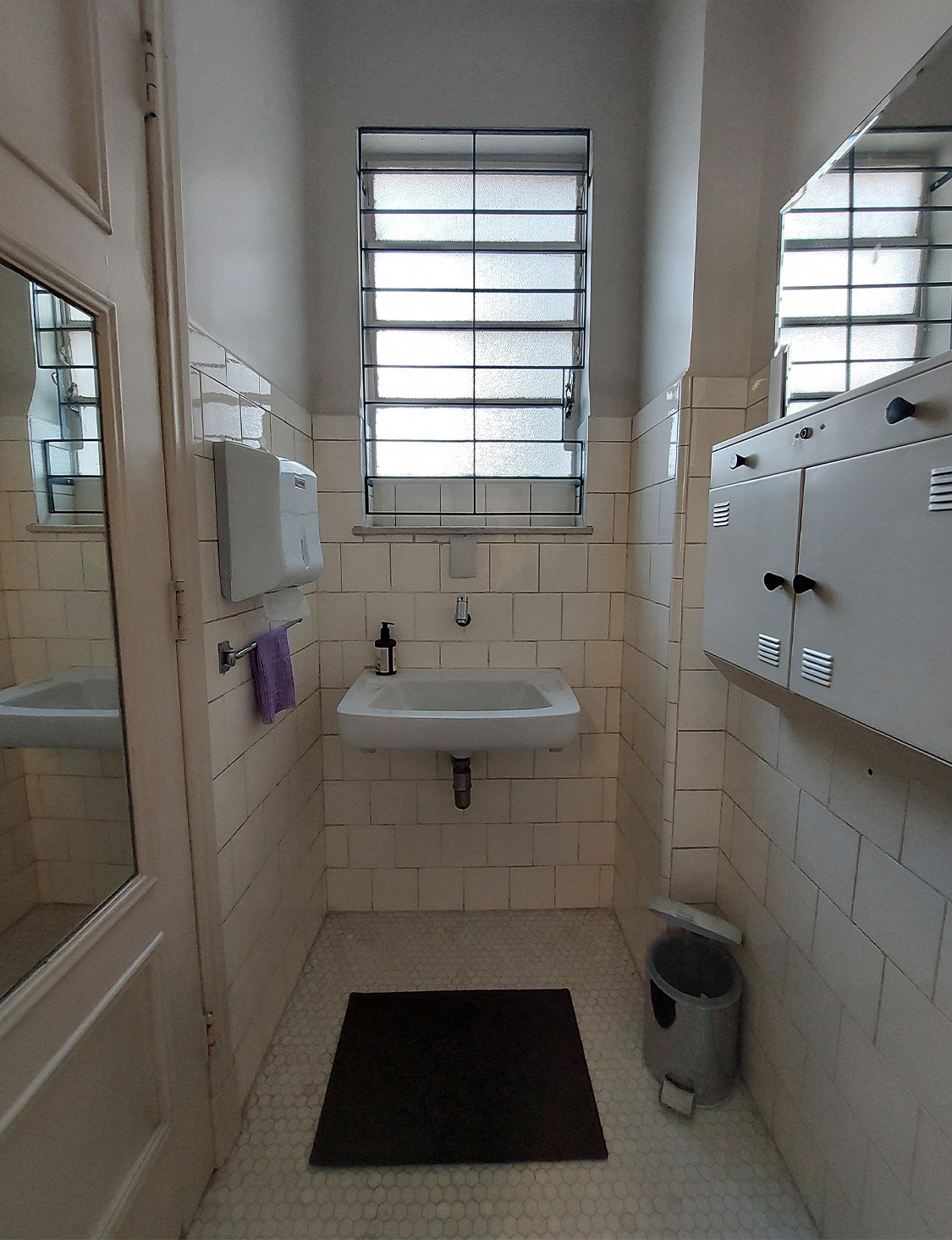
Inside the units, peroba wood parquet flooring and white ceramic tiles in the bathrooms reflect the style of the period. The former terrace, now finished with red hexagonal tile flooring, provides space for air-conditioning condenser units. The building’s structural system allows for the removal of internal partitions, facilitating the creation of large, flexible office or residential layouts.
The Maranhão Building is in excellent condition, thanks to meticulous maintenance over the years. Recently, the Belo Horizonte Department of Cultural Heritage and Public Archives (DPAM/PBH) formally praised the building’s state of preservation.
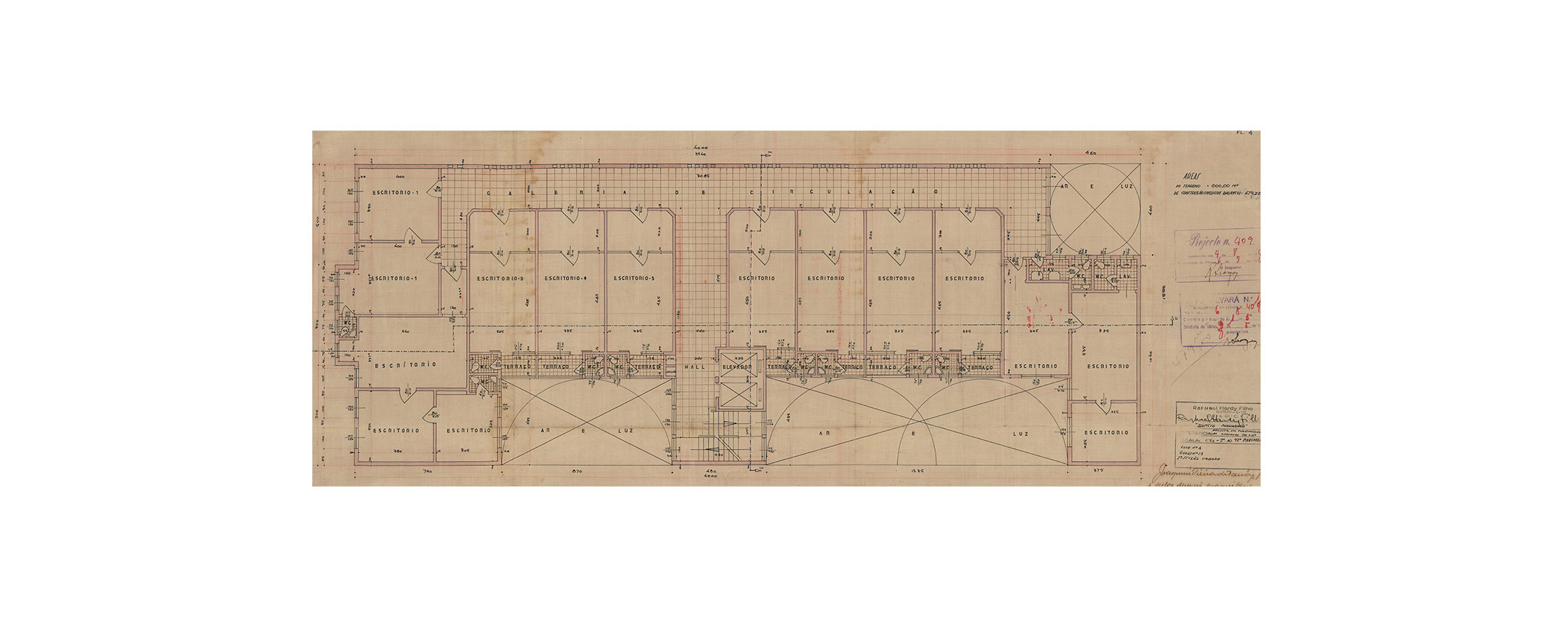
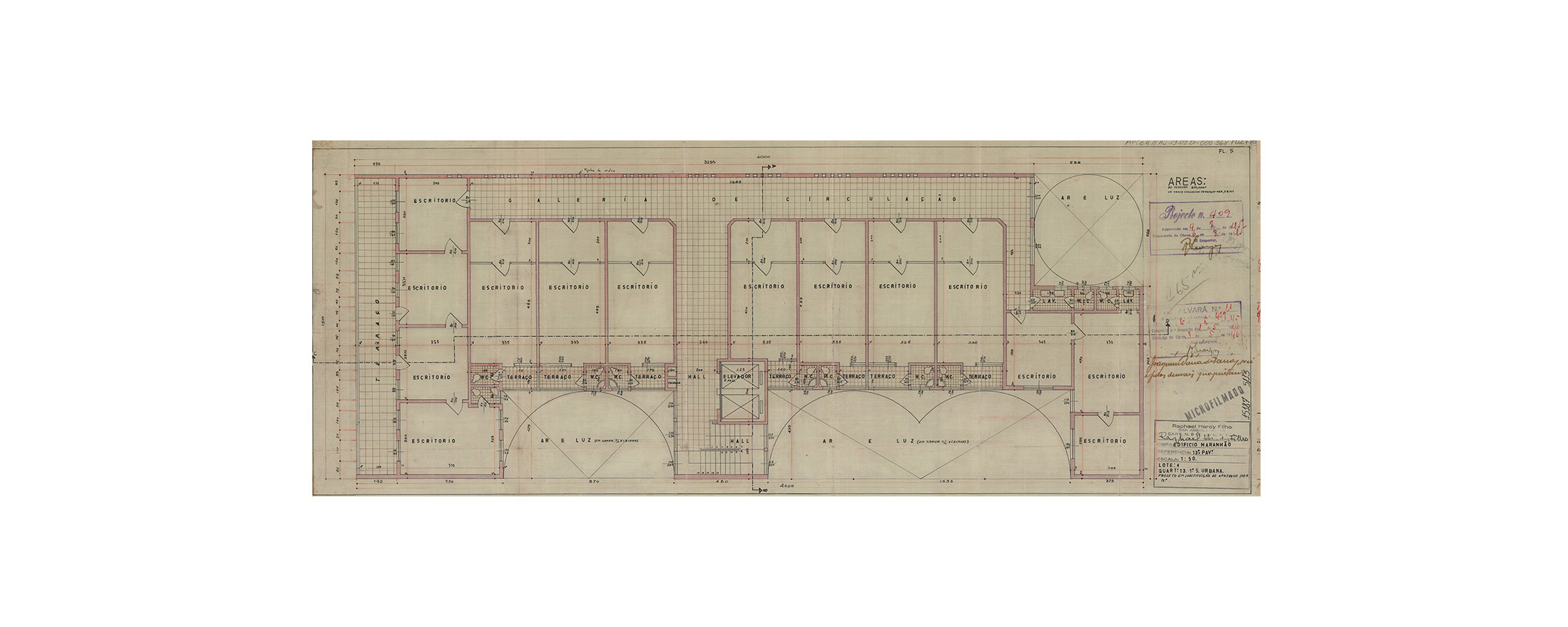
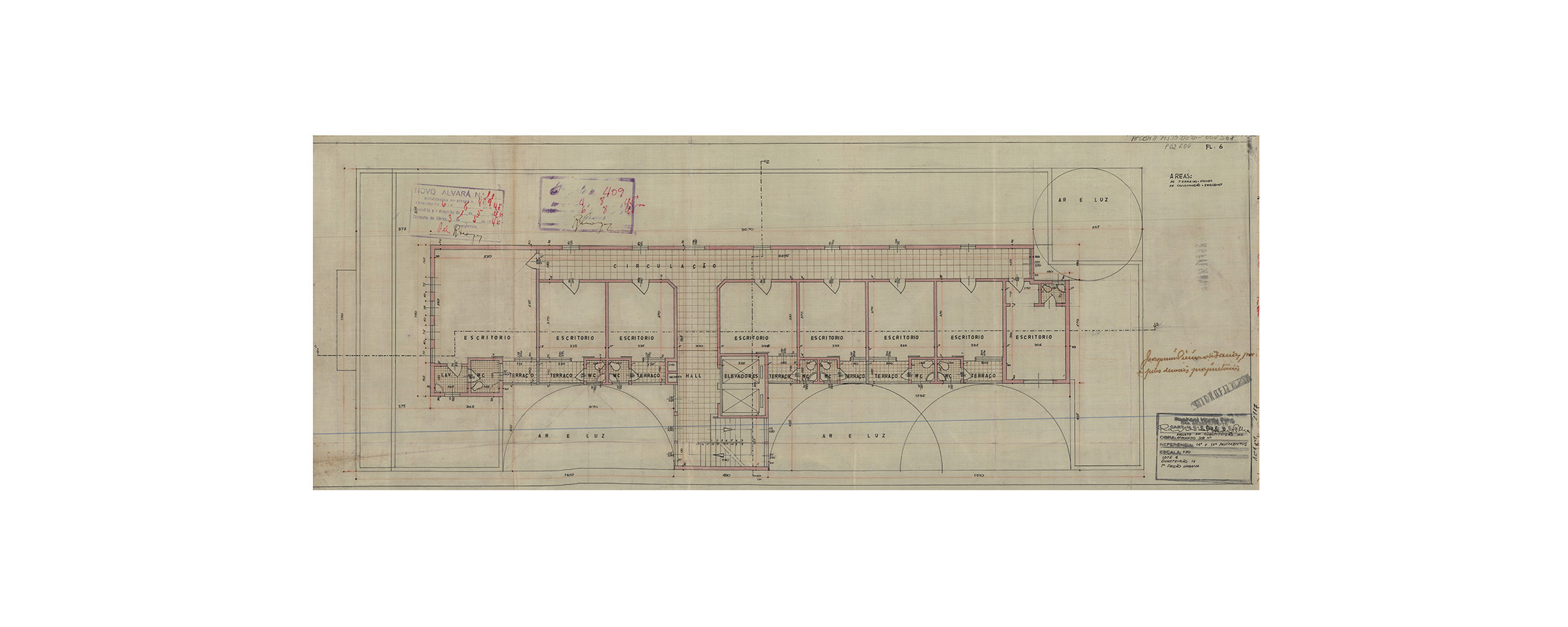
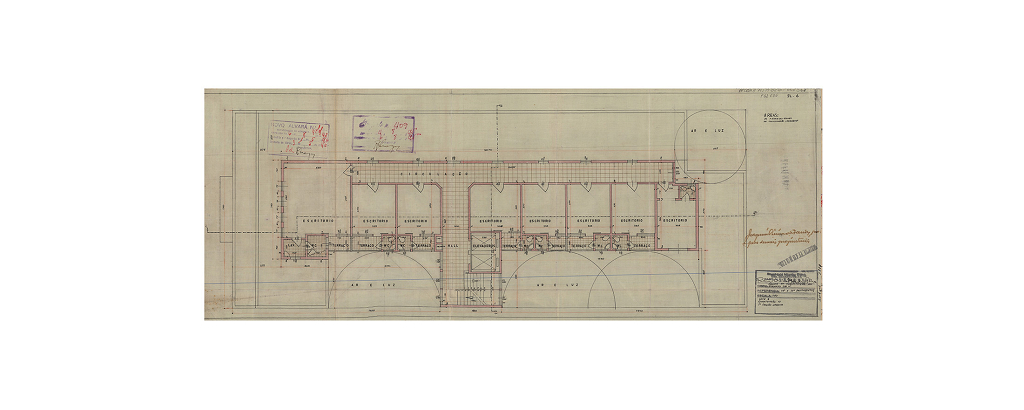
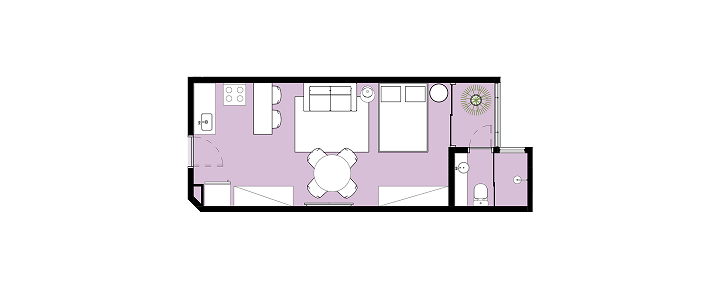
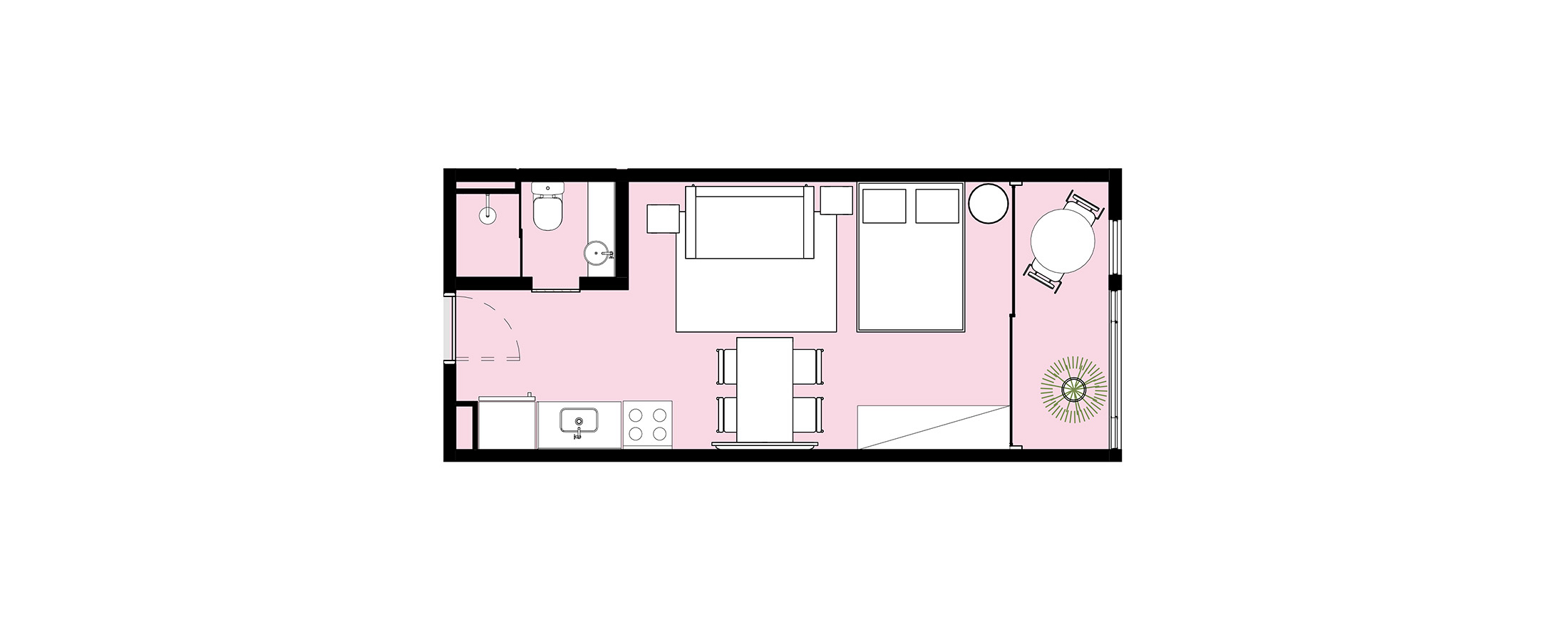
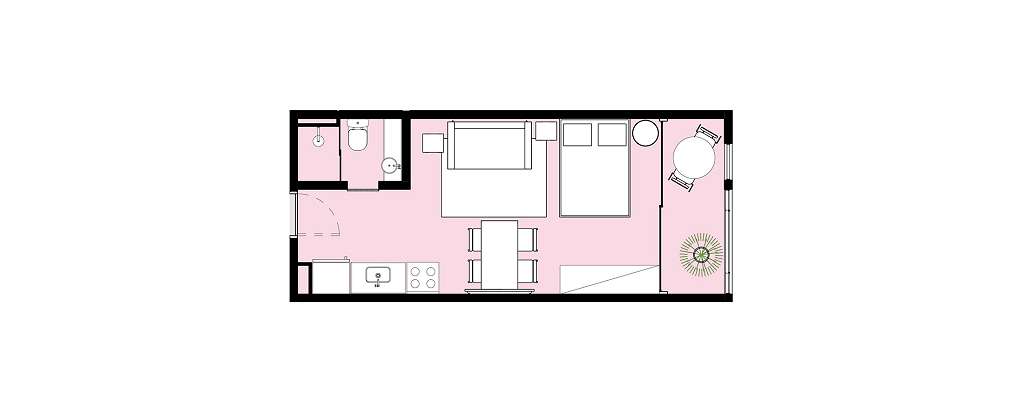
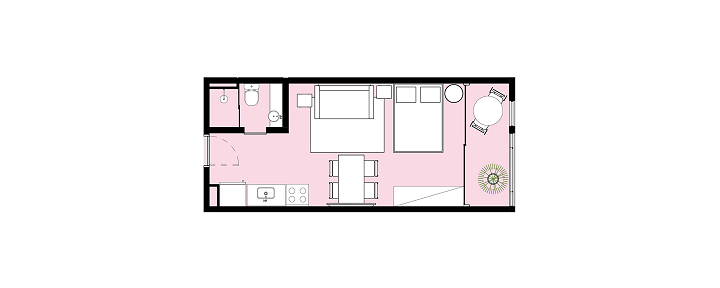
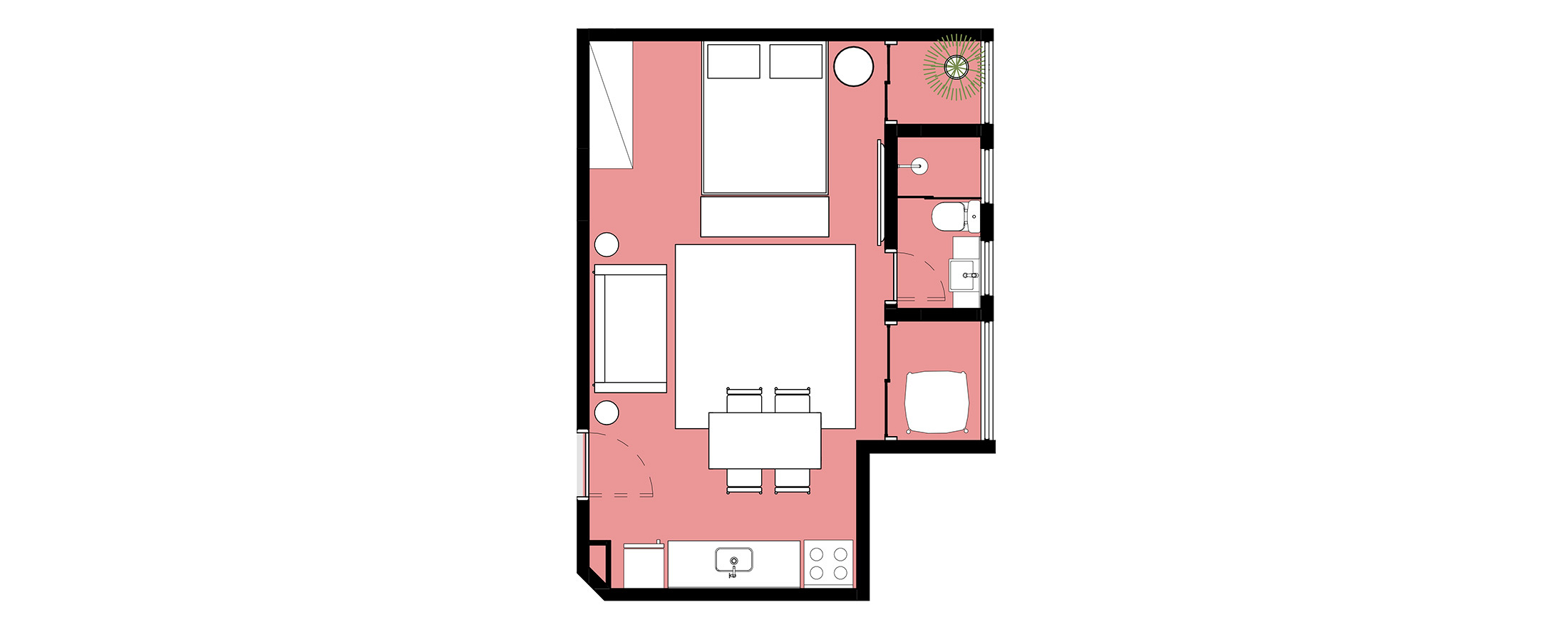
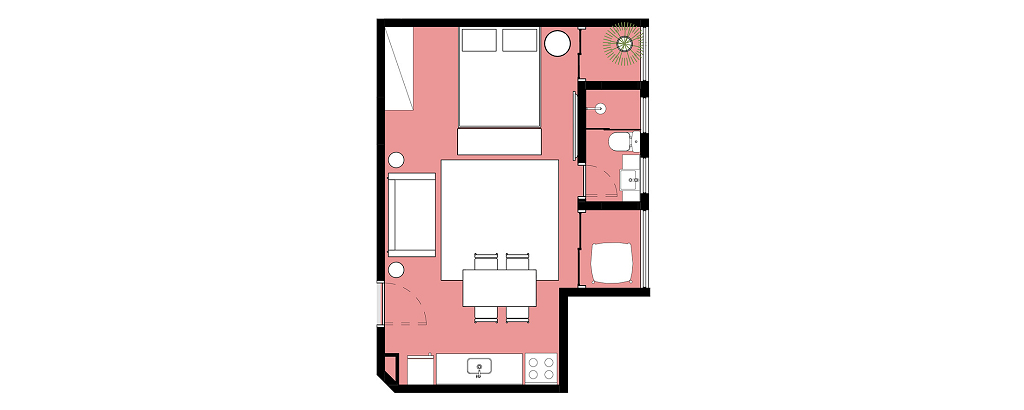
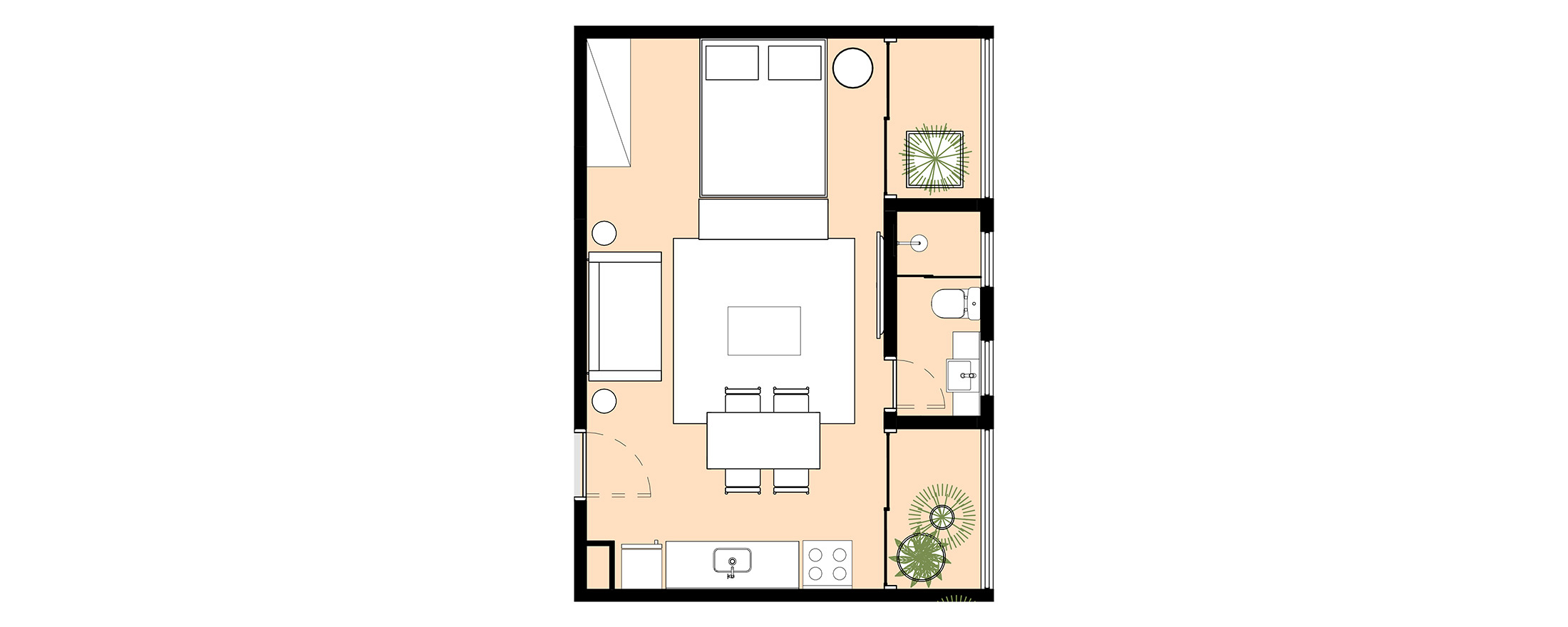
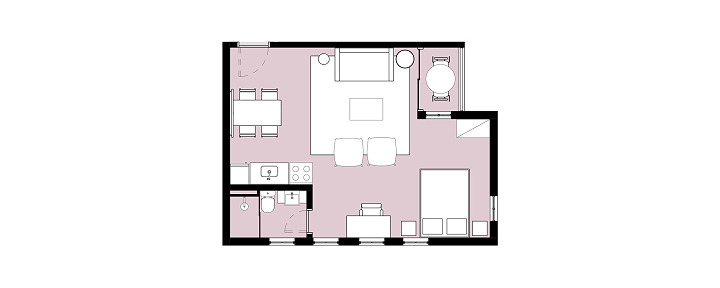
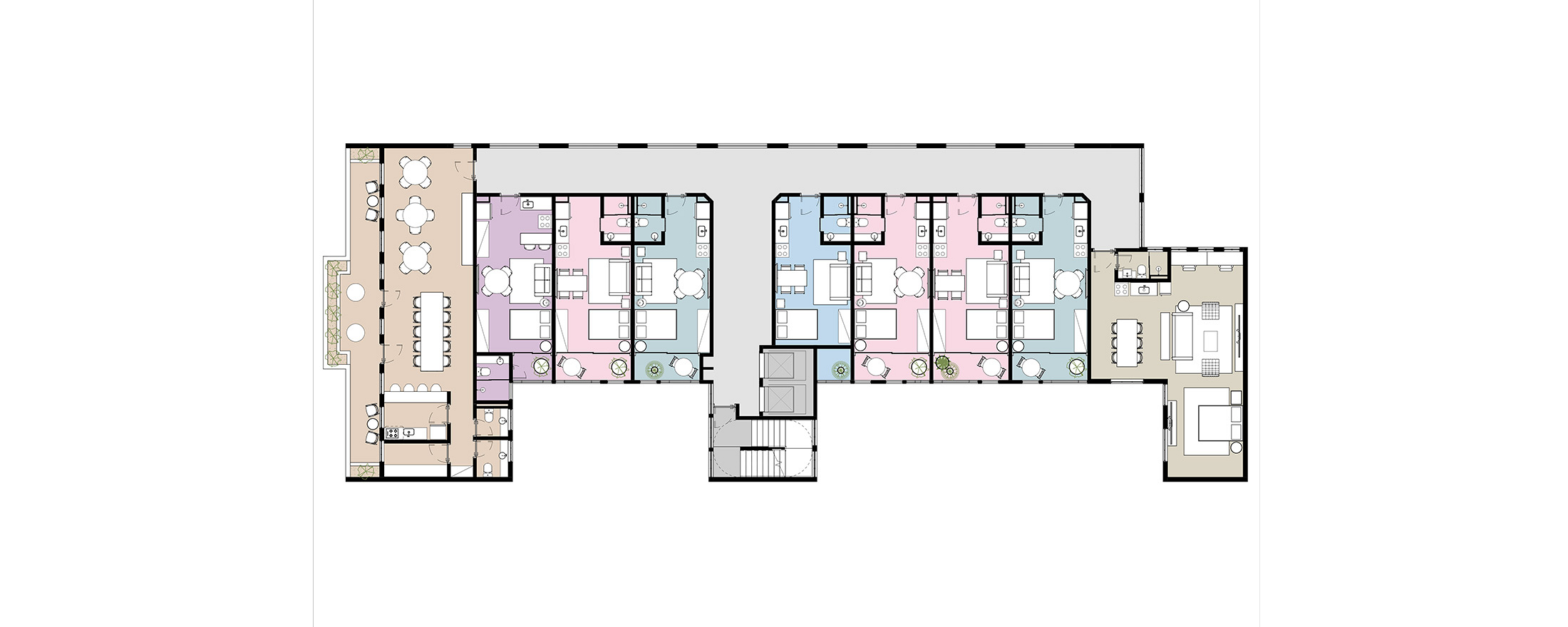
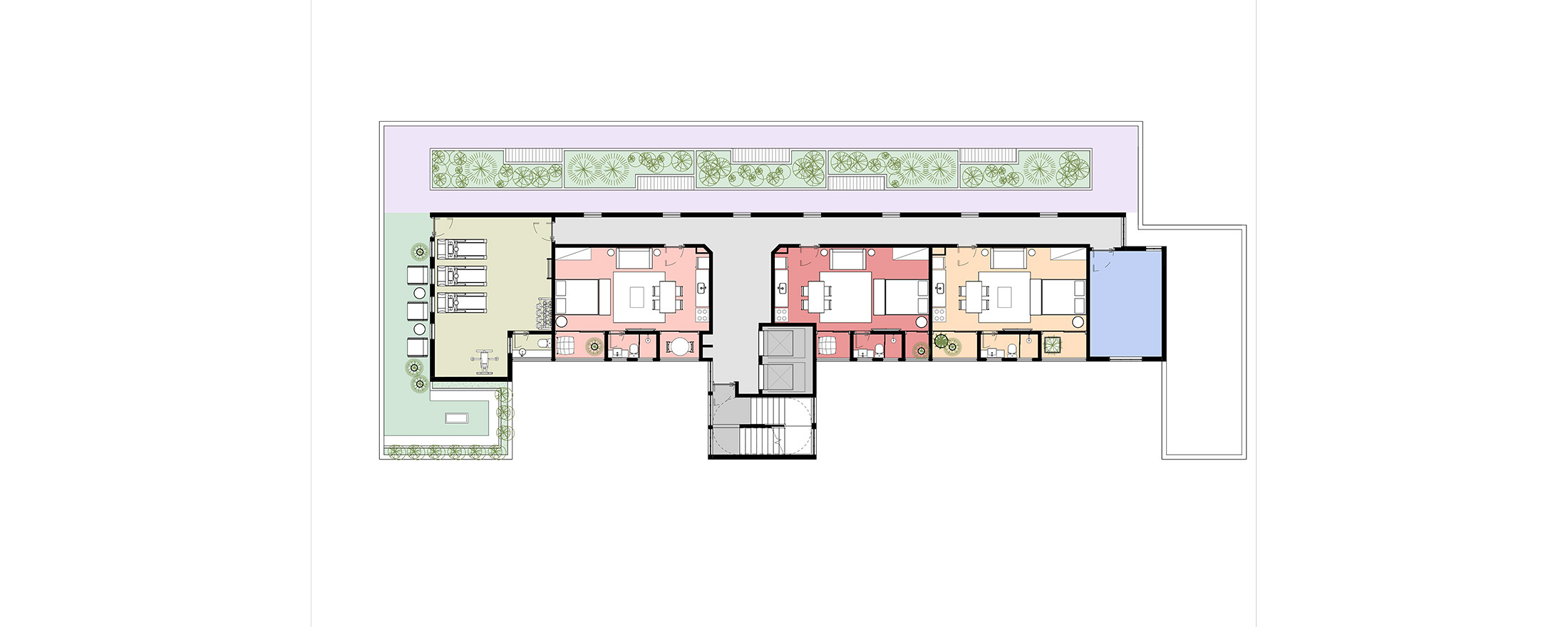
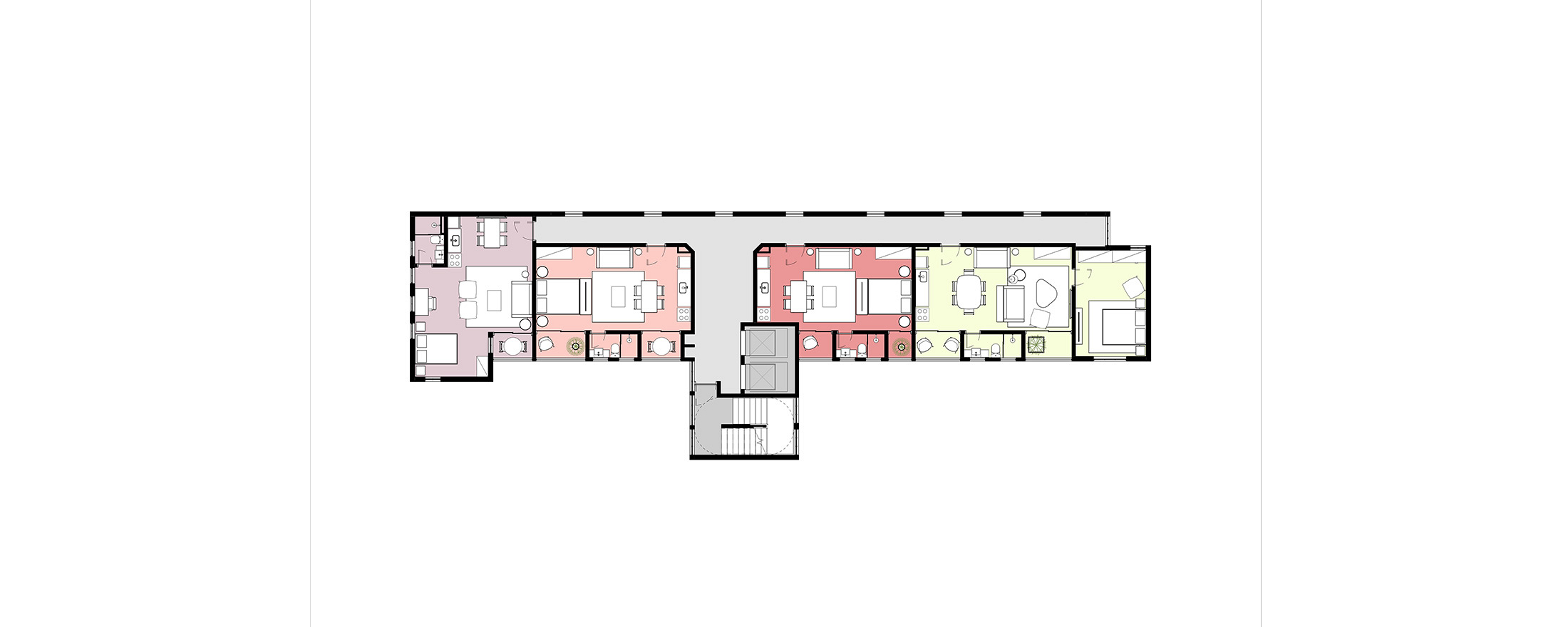
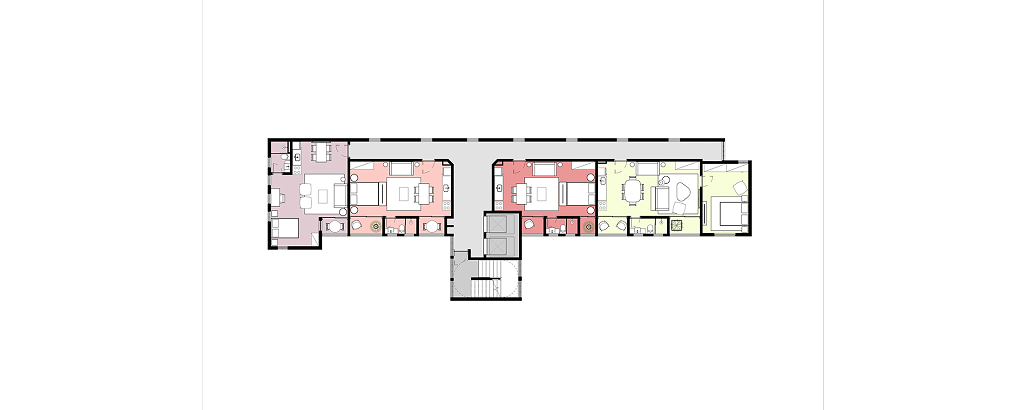
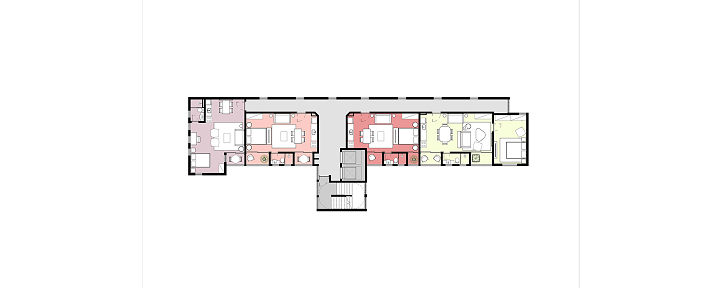
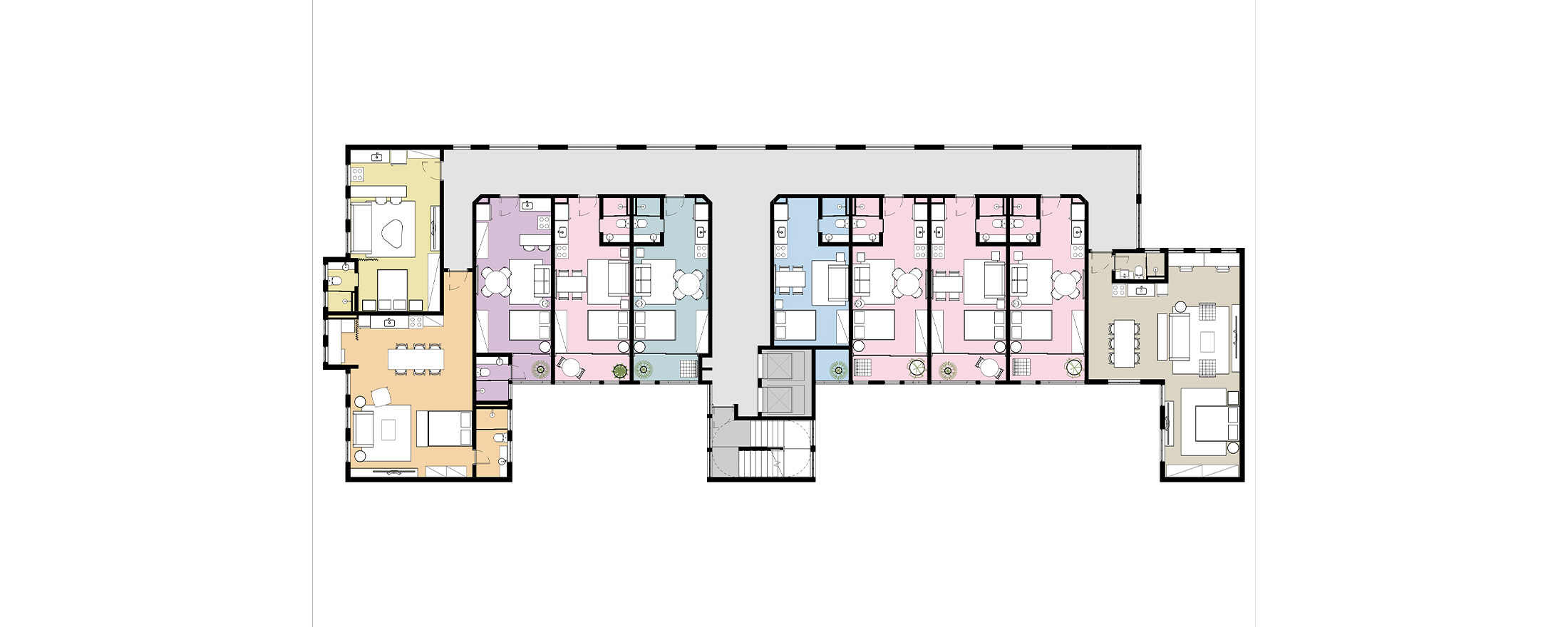
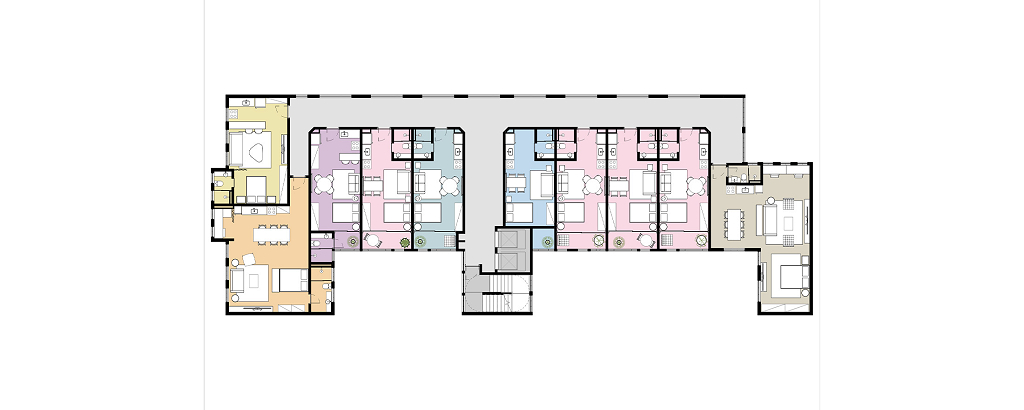
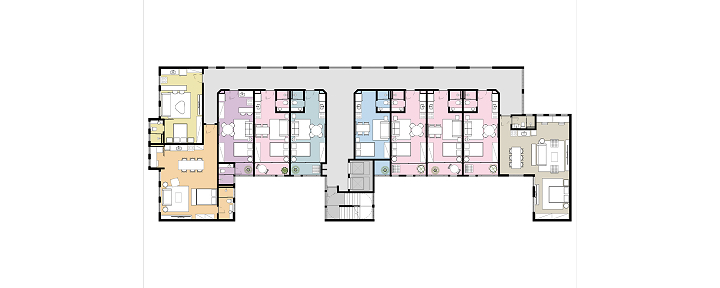
The typical floors, from the 2nd to the 12th levels, are divided into two wings—front and rear—organized around a T-shaped circulation core. The front wing contains smaller rooms and units composed of two or three spaces, while the rear wing accommodates rooms and suites of varying sizes, some featuring covered terraces enclosed with glass.
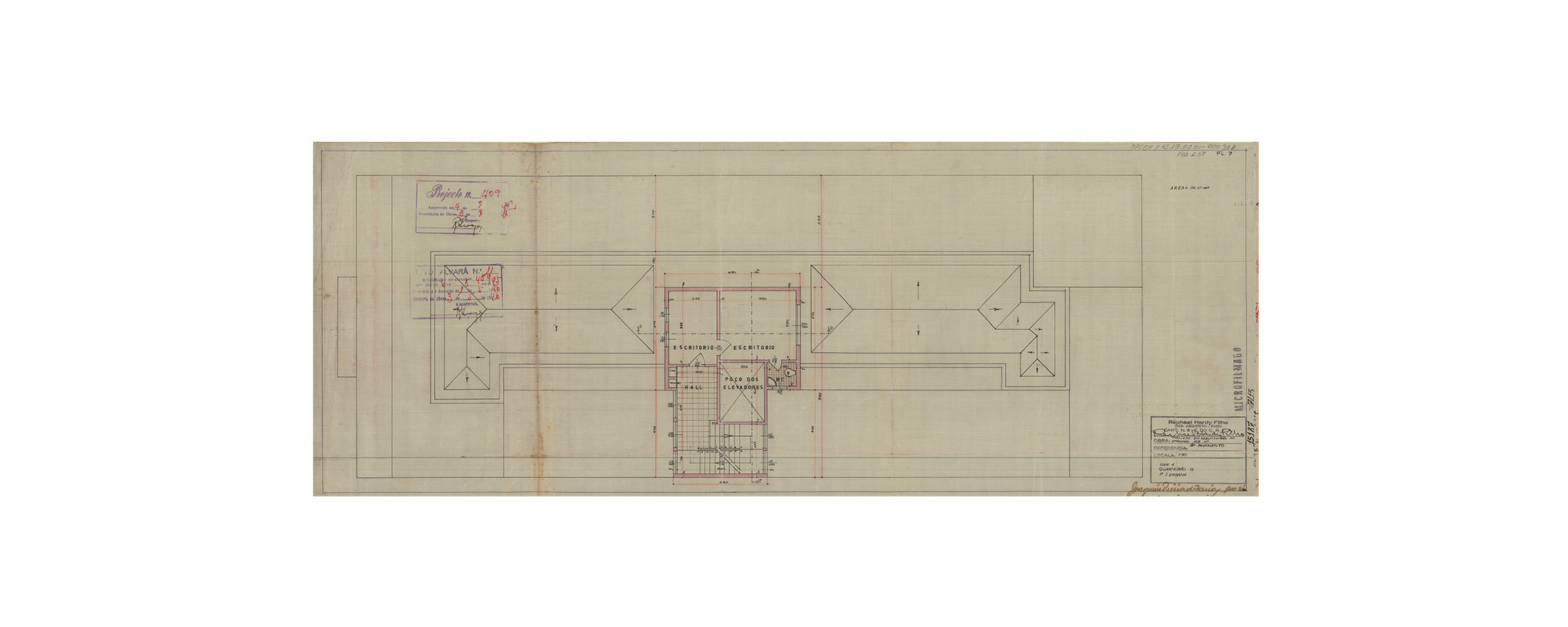
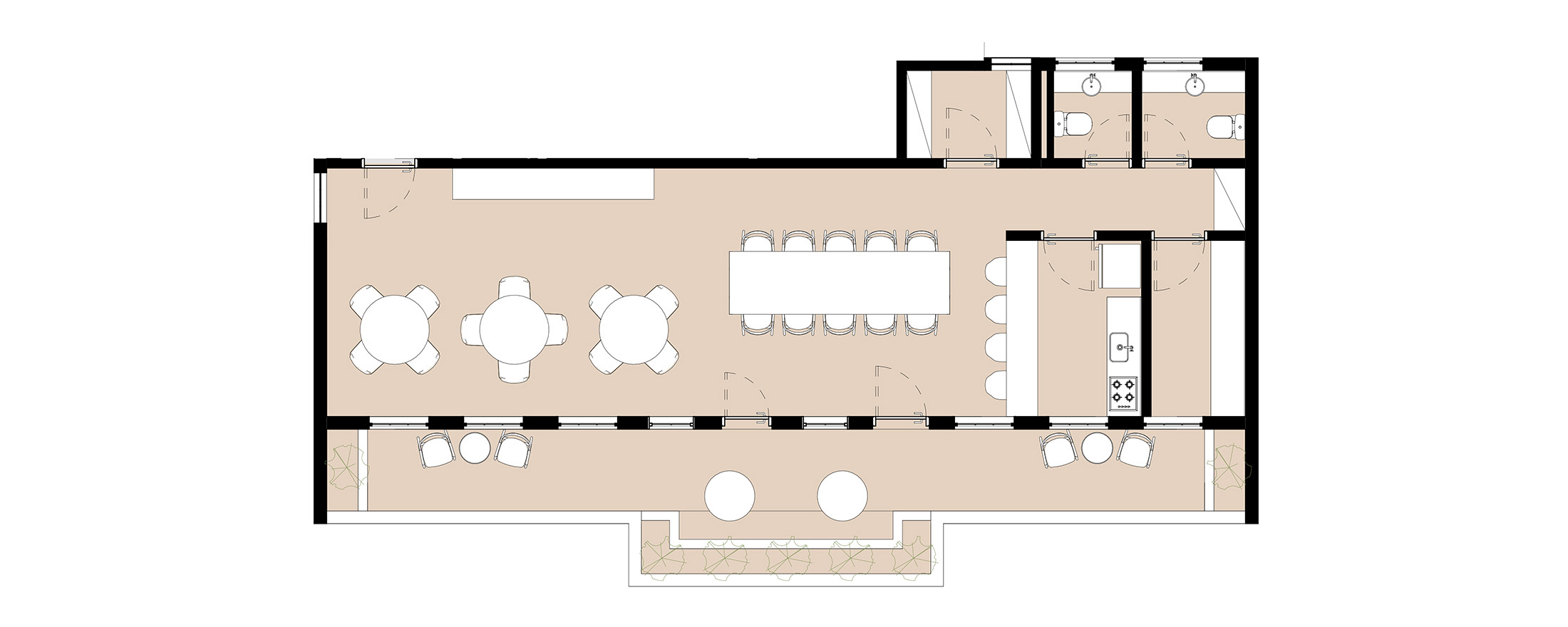
On the upper floors, the building gradually steps back, creating balconies and reducing the number of units. The 13th floor, for example, features a balcony shared by two rooms, while the 14th floor includes a unit with exclusive access to a terrace. The 15th floor maintains the alignment of the previous level, with a slight expansion of the final unit.
The Maranhão Building is far more than a simple structure; it stands as a living testament to the history and architectural evolution of Belo Horizonte, preserved with the respect it deserves. This project proposes a careful and sensitive intervention in a building protected as cultural heritage, aiming to preserve its original characteristics while introducing minimal adaptations to transform the former commercial spaces into residential units.
Beyond its historical and architectural value, the project holds special sentimental significance for BCMF Arquitetos. Raphael Hardy Filho, the original architect, was the father of the father-in-law of Bruno Campos, one of the firm’s partners, and of the late Álvaro Hardy (Veveco). Álvaro’s daughters, Mariana Hardy (Hardy Design) and Joana Hardy (Joana Hardy Studio), were to be responsible for the signage and environmental graphics, and for the interior architecture, respectively.
Unfortunately, the project was not implemented due to contractual issues with the property owners. Nevertheless, it remains documented here as an example of what could have become a model retrofit project for Belo Horizonte, demonstrating the potential of transforming and revitalizing the city’s historic heritage.
— Bruno Campos, Marcelo Fontes, and Silvio Todeschi
BCMF Arquitetos
Project: Maranhão Building Retrofit
Location: Downtown, Belo Horizonte, Minas Gerais, Brazil
Year: 2022
Area: 7,000 m²
Architecture: BCMF Arquitetos
Authors: Bruno Campos, Marcelo Fontes, and Silvio Todeschi
Team: Lucas Moreira, Marcos Salles, Patrícia Campos, and Ana Luisa Mansur
Status: Project